Cooking on the Amalfi Coast beats restaurant time.
This private cooking class in Positano skips the usual dining-room vibe and puts you in a carefully chosen local home, where you learn a full regional menu step by step. I like that the experience is structured around a 4-course meal, not just a demo, so you leave with food you made and flavors you understand.
I also love the way the meal comes with Campania wines—both red and white—so dinner or lunch feels like a real evening out, not a quick snack after class. The format runs about 2 hours 30 minutes and keeps things small (max 10), which makes it easier to ask questions and actually cook. One consideration: at $237.52 per person, this is a splurge, so it only feels worth it if you want hands-on time and not just a scenic meal.
In This Review
- Key things I’d plan around
- A Private Home Kitchen in Positano: What You Really Get
- The 4-Course Meal: Starter, Pasta, Main, Dessert (How the Lesson Works)
- Campania Wines and Coffee: Turning a Lesson into a Proper Meal
- Positano Time: Views Before or After You Cook
- Lunch vs Dinner: Picking the Better Slot for Your Day
- Price and Value: Why $237.52 Might Be Worth It
- Who This Cooking Demo Is Best For (and Who Might Want to Skip)
- What You’ll Learn and How It Helps After You Get Home
- Booking, Tickets, and the Calm Way to Plan Your Day
- Should You Book Amalfi Coast Home Dining & Cooking Demo?
- FAQ
- Where does this cooking class take place?
- How long is the experience?
- What does the class include?
- Is lunch or dinner available?
- Are drinks included?
- What is the group size?
- What is the price per person?
- Do I need to print a ticket?
- How will I receive confirmation?
- What is the cancellation policy?
Key things I’d plan around
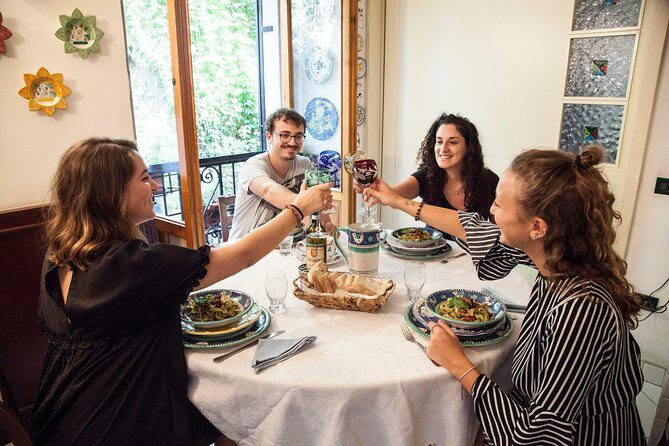
- Private home kitchen in Positano: You get a local-host experience instead of a crowded restaurant shift.
- 4-course menu you cook yourself: Starter, pasta, main, and dessert are part of the lesson.
- Wine with lunch or dinner: Red and white wines from Campania join your meal, plus coffee.
- Small group size (up to 10): Better attention and a calmer pace.
- Lunch or dinnertime options: Pick the class slot that fits your day on the coast.
A Private Home Kitchen in Positano: What You Really Get
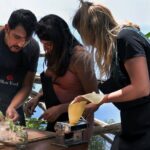
Positano is famous for its steep streets, pastel buildings, and the feeling that every turn reveals another view. This class uses that setting, but the main point is what happens inside: you’re cooking in a local home, hosted by the people who know the area best.
The value here is less about fancy staging and more about access. In a restaurant, you watch; in a home class like this, you participate. You’re not trying to “perform” dinner for tourists. You’re building a menu that matches local ingredients and regional habits. The class is limited to a maximum of 10 travelers, which matters on the Amalfi Coast, where time, space, and patience are all tight resources.
One highlight from the experience’s best feedback is the welcome factor. Hosts named Antonio and Ariana are described as opening their home in a warm, family-like way, which is exactly what you want in this kind of setting. That tone is what turns a cooking class into something you remember for the right reasons.
And because it’s a home setting, you should expect a different rhythm than a commercial kitchen tour. The focus is the meal and the lesson, not spectacle. For me, that’s a win: you’re there to learn how to make the food, not to collect photos.
You can also read our reviews of more cooking classes in Amalfi



The 4-Course Meal: Starter, Pasta, Main, Dessert (How the Lesson Works)
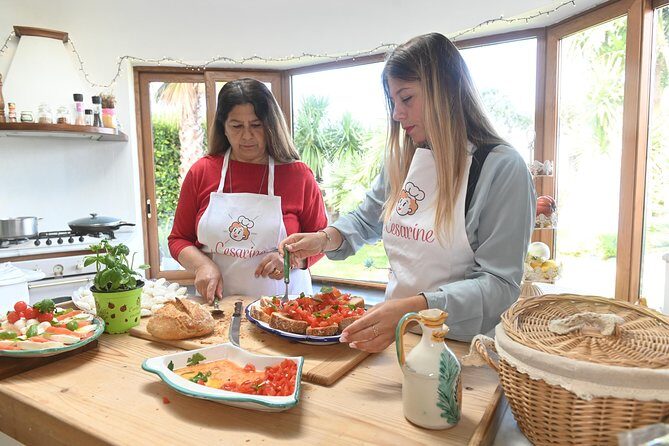
The heart of the experience is the full menu: starter, pasta, main course, and dessert. You choose between lunch and dinnertime classes, but the structure stays the same. In about 2 hours 30 minutes, you’ll go from first prep to plated dessert.
That 4-course design is smart for two reasons. First, it gives you a complete sampling of regional cooking patterns. Second, it forces you to learn more than one “type” of cooking. A pasta course trains your timing and sauce thinking. The main course shifts you into something more substantial. The dessert teaches you that Italian cooking is not only about savory flavor.
In the strongest praise tied to the class, people mention using local products that came from the farm. That matters because regional dishes taste like their ingredients. If you want to recreate these flavors later, working with ingredients that are truly local (or at least local to the region’s standard) helps you understand the food’s logic, not just the recipe.
What you’ll likely take away is practical: how to sequence tasks, how to manage oven/pan timing while cooking multiple components, and how to think in “course flow.” Cooking a single dish at home can feel random. Cooking a whole meal with a host’s direction makes the process click.
A small, realistic note: you’re learning inside a home kitchen, so the pace is not going to feel like a TV show. But that’s also the point. You’ll get a more grounded approach to technique—exactly the sort you can repeat later without needing a professional setup.
Campania Wines and Coffee: Turning a Lesson into a Proper Meal
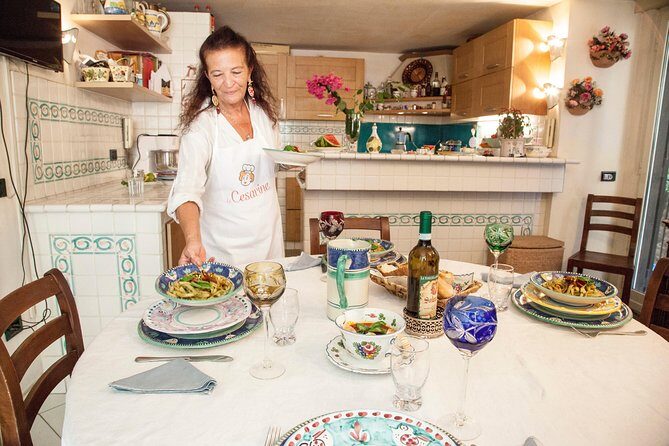
Food classes can feel like a trade—your time for a bite to eat. This one flips the script by making the meal part of the event, with wine included. You get a selection of red and white wines from Campania, plus coffee after.
That pairing is more than a perk. Wines from the same broader region as the dishes help tie the flavors together. You’re tasting food and drink that belong to the same cultural geography, so the meal feels coherent. Even if you don’t consider yourself a wine person, it changes your perception of the food because you’re tasting with recommended matches.
The coffee after is also the kind of detail that makes the end of the meal feel complete. In Italy, coffee isn’t an afterthought; it signals the meal is actually finished. So you’re not just tasting your way through cooking steps—you’re eating the result the way you would in a real home setting.
One thing to keep in mind: wine is included, but the class is also hands-on. So plan your energy accordingly. If you’re the type who wants to take everything in while cooking, go into the class with a calm mindset and hydrate before you start. You’ll enjoy it more if you treat it like dinner with cooking, not like a bar stop.
Positano Time: Views Before or After You Cook
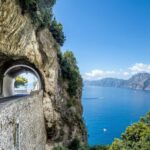
Even though the focus is the cooking demo, Positano is a major part of the experience. The town sits on the Amalfi Coast with houses stacked on steep cliffs and narrow streets that force you to slow down. When you’re not at the table, this is the kind of place where you can’t help but look around.
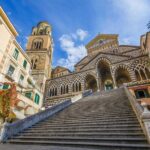
The town’s appeal is easy to spot. You’ll find the pebbly beach called Spiaggia Grande, and the striking Santa Maria Assunta Church. Those are perfect anchors if you’re planning a little pre- or post-class wandering. You can also use the class timing to decide what kind of walking day you want. A lunch class can give you the afternoon for views. A dinner class can keep you close to the town’s evening mood.
One practical point: the experience is near public transportation. That’s useful in Positano, where parking can be a headache and roads are steep. If you’re building a day around the class, you’ll appreciate having a realistic way to get there without stress.
If you want the most out of Positano that day, don’t overstuff your schedule. Give yourself enough time for short walks between key sights, then commit to the class. This is one of those experiences where arriving relaxed helps everything else work.
Lunch vs Dinner: Picking the Better Slot for Your Day
You can choose between lunch or dinnertime classes. That choice is more than preference—it affects the mood and pacing of your whole Amalfi Coast day.
Lunch works well if you want a strong start to the day without losing daylight. You’ll likely finish early enough to explore Positano afterward, and coffee and a full meal can power you through a few hours of sightseeing. If you’re the type who hates waiting until late evening, lunch keeps you in control.
Dinner fits best if you want the coast to feel like an evening ritual. After cooking and eating, you can enjoy the town at its calmer pace, which is often when Positano feels most like a homey place rather than a photo stop. The included wine also makes dinner feel more natural than it would at midday.
Because the class lasts about 2 hours 30 minutes, either slot helps you avoid the long, drawn-out tourist meals that stretch into your entire evening. This is a focused window: you cook, you eat, you’re done.
If you’re traveling with a varied group, use this simple rule: pick lunch if people in your party like earlier plans, pick dinner if everyone is okay with a later start. That’s the cleanest way to avoid mismatched expectations.
You can also read our reviews of more tours and experiences in Amalfi



Price and Value: Why $237.52 Might Be Worth It
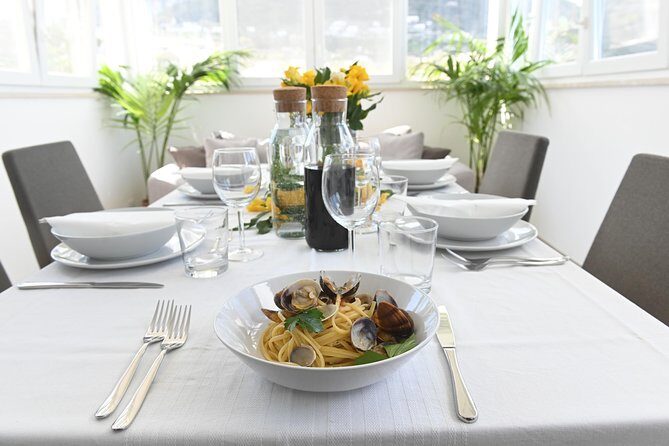
At $237.52 per person, this isn’t a budget cooking workshop. But it also isn’t priced like a cheap food tasting. The value comes from three things that work together: a private home setting, a real 4-course meal you cook, and wine included.
Let’s break down why those matter.
A private home class is more than a change of venue. It usually means fewer people, more interaction, and a warmer atmosphere. Here, the max group size is 10, and that can translate into more time with the host and less waiting. If you’ve ever done a large cooking class, you know how quickly the learning turns into watching.
Next is the 4-course menu. You’re not just learning one recipe. You’re practicing a starter sequence, a pasta workflow, a main course build, and then dessert. That gives you more “skill per hour,” especially compared with experiences that only teach one dish.
Finally, wine from Campania is included for the meal. That can be a meaningful portion of the overall cost if you’d otherwise buy drinks with dinner. Even if you drink only a little, it makes the meal feel like a complete occasion.
The other price-related factor is timing. The experience is often booked about 149 days in advance on average. That suggests it fills up, likely because the group size is capped. If you know you want this class, don’t wait for a last-minute decision.
This isn’t the choice I’d make if your goal is purely “see Amalfi Coast sights and grab food.” It’s the better match if you want to learn, eat what you cook, and get a more personal slice of Positano life.
Who This Cooking Demo Is Best For (and Who Might Want to Skip)
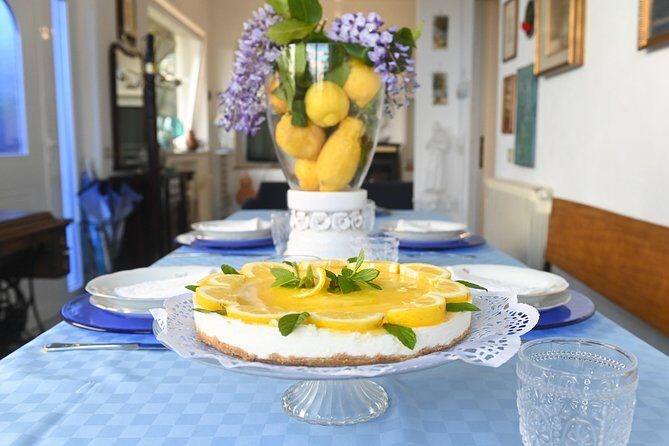
This class is a strong fit for people who want a hands-on meal in a small setting. It’s also a good choice for couples, small groups, and travelers who like food-focused days without turning everything into a formal tour schedule.
It’s especially appealing if you care about:
- cooking regional dishes, not generic Italian basics
- tasting with Campania wines included
- learning from a host who brings the experience to life
The experience also notes that most travelers can participate, and that’s a key point for practical planning. If you’re unsure about whether this will work for you, consider that the class is designed for broad participation rather than being labeled specialized.
Who might want to skip it? If you’re looking for a casual snack or you prefer to avoid structured cooking time, this may feel too focused. Also, because it’s a private home class with a cap of 10, it may not be ideal if you want a very flexible itinerary during the experience itself. You’re there to cook the courses.
My general advice: book this when you want a day on the Amalfi Coast that includes learning and eating, not just moving between viewpoints.
What You’ll Learn and How It Helps After You Get Home
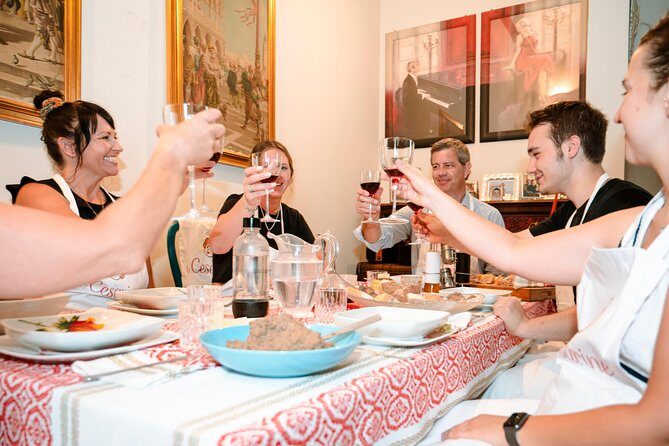
The best part of a cooking demo is not the meal itself. It’s the transfer—the moment you cook something later and it tastes like what you remember.
In this case, the strongest praise centers on the local-product aspect and the homey welcome. People talk about making a memorable meal with local products that were right from the farm. That’s not a small detail. It hints at why the cooking feels believable: the ingredients and regional choices drive the flavor.
What that can mean for you at home:
- You’ll probably leave with a clearer sense of how courses connect (starter to pasta to main to dessert).
- You’ll have a structure you can follow even if your pantry is different.
- You’ll understand technique steps in context, not as isolated instructions.
Even without a list of exact recipes in the info provided, the course framework is consistent. That’s how you build confidence. You don’t need a perfect imitation of Positano. You need a method you can repeat.
And the host interaction matters here too. When you’re welcomed warmly by someone like Antonio and Ariana, you tend to ask better questions. You also feel comfortable making small adjustments during cooking. That comfort is often what separates a “meal you ate” from a “meal you can recreate.”
Booking, Tickets, and the Calm Way to Plan Your Day
A few practical notes make planning easier. You’ll receive confirmation at booking, and you use a mobile ticket. The experience is near public transportation, which is helpful for Positano’s steep, traffic-heavy reality. Cancellation is free up to 24 hours in advance, which gives you some breathing room if your trip timing shifts.
Also, keep an eye on group limits. With a maximum of 10, this isn’t the kind of experience that has endless seats. The fact that it’s commonly booked about 149 days ahead is another sign it’s not just a casual add-on.
If you’re building the day, plan around the cooking window. Don’t stack museum hours before a lunch class or long hikes before dinner unless you enjoy rushing. Eat something light before the class so you can focus while cooking. Then treat the meal like the main event.
For best value, pair this class with slower sightseeing. Walk between key spots like Spiaggia Grande and Santa Maria Assunta Church, but don’t try to cover the whole coast in one day. Cooking classes work best when you can actually enjoy the time afterward.
Should You Book Amalfi Coast Home Dining & Cooking Demo?
Book it if you want a private home cooking experience in Positano, with a structured 4-course meal you help make, plus Campania wine and coffee. The small group size (up to 10) and the warm host welcome described by Antonio and Ariana are the kind of details that can turn a “nice meal” into a real memory.
Skip it if $237.52 feels like too much for 2 hours 30 minutes, or if you’d rather spend your time on scenic stops than in a kitchen. Since the experience depends on a set class format, it’s best for travelers who like plans with a payoff.
With an average score of 3.8 from six entries, it’s not flawless. But the consistent emphasis on a genuine home welcome and a successful local-products meal makes this feel like a solid bet for the right traveler.
If you’re that traveler, this is the kind of day on the Amalfi Coast that doesn’t just look good. It tastes good too.
FAQ
Where does this cooking class take place?
It takes place in Amalfi, Italy, with the private home cooking experience in Positano on the Amalfi Coast.
How long is the experience?
The duration is about 2 hours 30 minutes.
What does the class include?
You’ll learn to prepare a 4-course meal with a starter, pasta, main, and dessert.
Is lunch or dinner available?
Yes. You can choose between lunch or dinnertime classes.
Are drinks included?
Yes. The meal includes red and white wines from Campania, plus coffee.
What is the group size?
The experience has a maximum of 10 travelers.
What is the price per person?
The price is $237.52 per person.
Do I need to print a ticket?
No. It uses a mobile ticket.
How will I receive confirmation?
Confirmation is received at the time of booking.
What is the cancellation policy?
You can cancel for a full refund if you cancel up to 24 hours in advance of the experience start time.