REVIEW · SORRENTO
Sorrento: Authentic Italian Cooking Class in a Citrus Grove
Book on GetYourGuide →Operated by La Limonaia · Bookable on GetYourGuide
A lemon grove makes dinner feel like a plan with roots. This Sorrento cooking class at La Limonaia mixes hands-on pasta and dessert work with the joy of fresh citrus—plus a sit-down lunch that feels more like a shared local afternoon than a canned activity.
I especially like the pick-from-the-garden idea, because it turns the food into something you can actually point to and taste. I also like that the class focuses on traditional Sorrento dishes instead of random “Italian-style” recipes. One thing to consider: it can get incredibly hot during the cook time, so you’ll want to dress for summer weather and go easy on sunscreen quantity if you’re sensitive to strong sun.
You’ll meet at a green gate marked La Limonaia, grab a welcome drink, and get cooking with an English-speaking chef/instructor. The menu centers on a first course with homemade pasta, a second course (like gnocchi alla sorrentina, ravioli alla caprese, or eggplant parmigiana), and a dessert of tiramisù with coffee or agrumance juice—then you eat everything you made under a pergola with wine in good company. If you’re expecting a short, clock-perfect 2.5 hours, keep in mind it can run longer depending on the group and how busy the kitchen gets.
In This Review
- Key highlights I’d prioritize
- Cooking Sorrento Classics in a Lemon and Orange Grove
- Meeting at La Limonaia and Getting Started Right
- The Class Flow: From Citrus Garden to Your Plate
- What You’ll Cook: Homemade Pasta, a Second Course, and Tiramisu
- Homemade pasta: the foundation
- Second course options you might learn
- Dessert: tiramisù with coffee or agrumance juice
- Lunch Under the Pergola: Wine, Limoncello, and the Social Part
- Value and Price: Is $158.60 Worth It?
- The Heat Factor: Plan for a Summer-Grade Working Session
- The Instructor and the Style of Teaching
- Recipes to Take Home (So It’s Not One-Day Only)
- Who This Cooking Class Fits Best
- Should You Book This Sorrento Cooking Class?
- FAQ
- How long is the cooking class?
- What dishes will I learn to make?
- Do we eat what we cook?
- Can I pick ingredients from the garden?
- Is the class taught in English?
- What’s included in the price?
Key highlights I’d prioritize
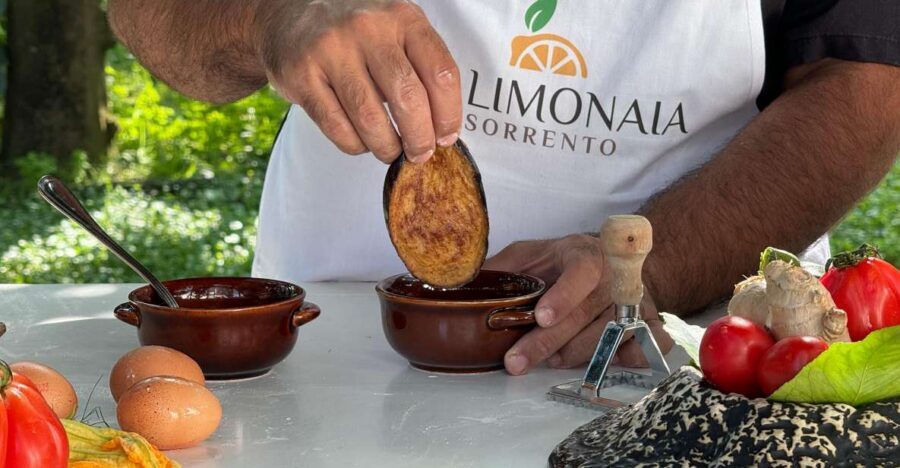
- Citrus grove setting with a pergola lunch that makes the meal feel like part of the experience, not the finish line
- Ingredient picking in the garden so you taste what you just harvested
- Sorrento-focused menu with homemade pasta plus options like gnocchi alla sorrentina, ravioli alla caprese, or eggplant parmigiana
- Tiramisu dessert ritual with coffee or agrumance juice (so you can’t skip the sweet part)
- Wine, limoncello, and recipes to take home so you can recreate something beyond the day trip
Cooking Sorrento Classics in a Lemon and Orange Grove
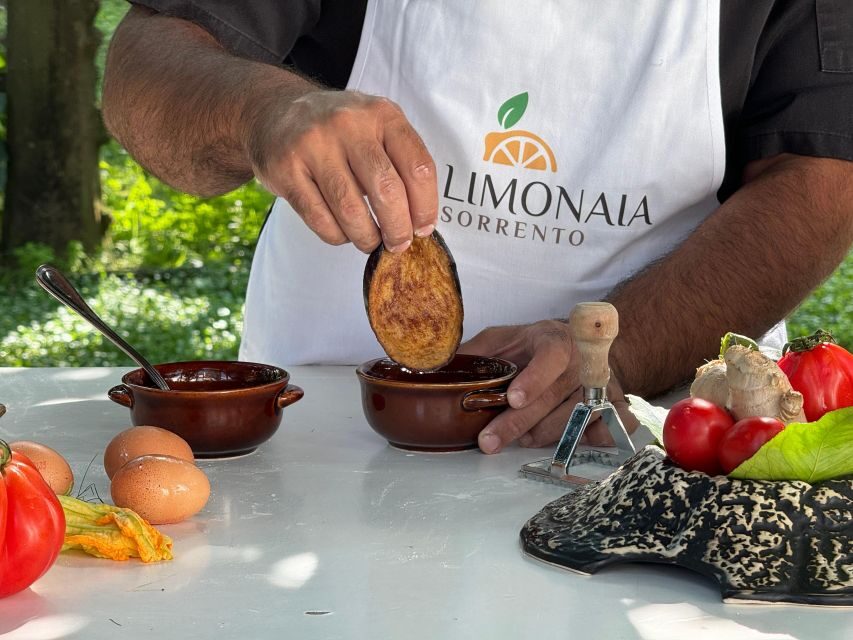
If you’ve ever tried to learn Italian cooking from a cookbook, you know the limits. Numbers of minutes and ingredient lists only go so far. Here, you learn by doing: you roll, shape, cook, and plate—then you eat the results in the same place that inspired the menu.
The setting matters because it matches the food. Sorrento cuisine isn’t just “Italian,” it’s Campania in flavor form: citrus brightness, comfort-food technique, and the kind of dishes that belong to family tables. At La Limonaia, the lemon and orange trees aren’t just decoration. They’re part of why you’re making what you’re making—especially the way citrus shows up in the dessert, including tiramisù with coffee or agrumance juice.
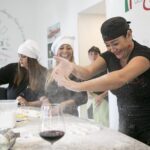
This class is also built for social enjoyment. You’re not cooking in a private bubble. You’ll share the lunch with other people, and the meal includes wine and limoncello alongside water. That combination—practical cooking plus shared eating—works well if you’re traveling solo or just want an easy way to meet others without forced small talk.
You can also read our reviews of more cooking classes in Sorrento


Meeting at La Limonaia and Getting Started Right
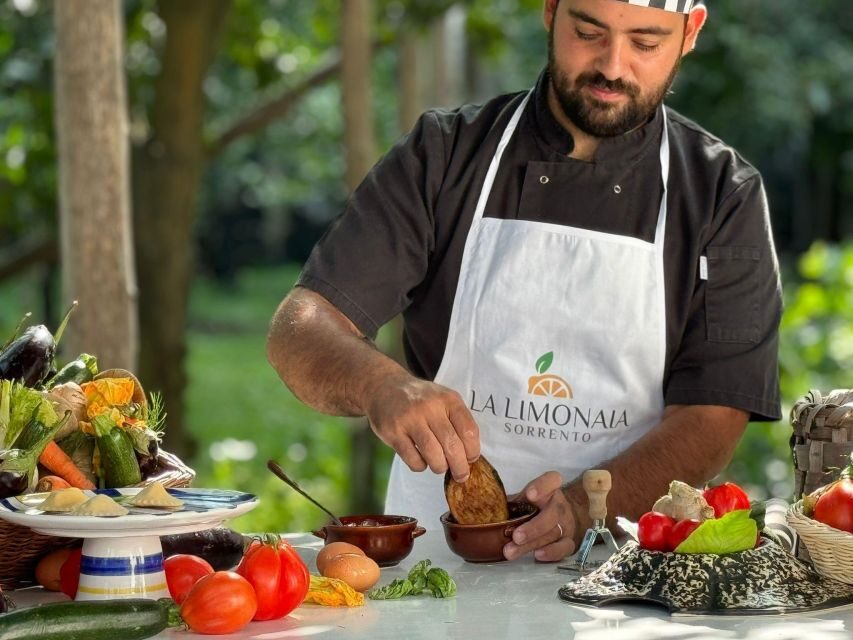
The whole thing begins at a very specific spot: you find a green gate with La Limonaia signed on top. Once you locate it, the experience moves quickly into the “welcome and settle” mode.
You’ll get a welcome drink before the lesson ramps up. That small start matters more than it sounds. In the space between travel and cooking, it helps you get into the right rhythm, especially if you’re arriving hot, sun-baked, and hungry. Then the chef leads you through what the class will cook and how the kitchen flows.
The instruction is in English, which makes a big difference. Cooking classes can get frustrating when you’re guessing what you’re doing wrong. Here, you’re guided step-by-step in a language you can actually follow while your hands are busy.
The Class Flow: From Citrus Garden to Your Plate
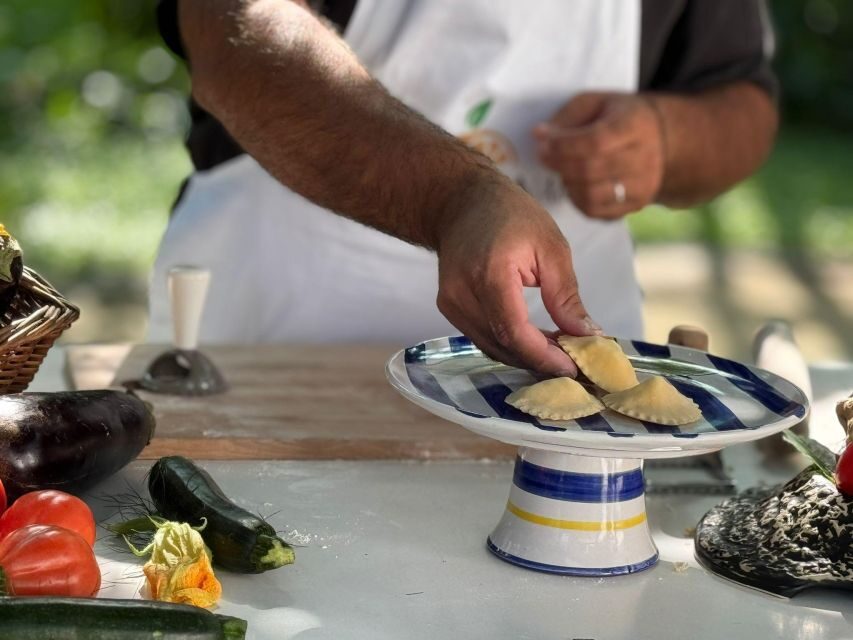
This is a 2.5-hour cooking class, but I’d treat that as the planned length rather than a hard cap. One review noted the session ran longer than expected for their group, especially while preparing ravioli. The good news: even with extra time, it tends to be time well spent because you’re not rushing through one dish and calling it a day.
Here’s the structure you can expect:
- Welcome drink
- Cooking lesson with a traditional Sorrento menu
- Taste your creations in the shade with wine and good company
- Recipe handout so you can cook your favorites later
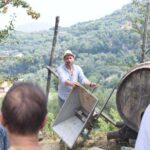
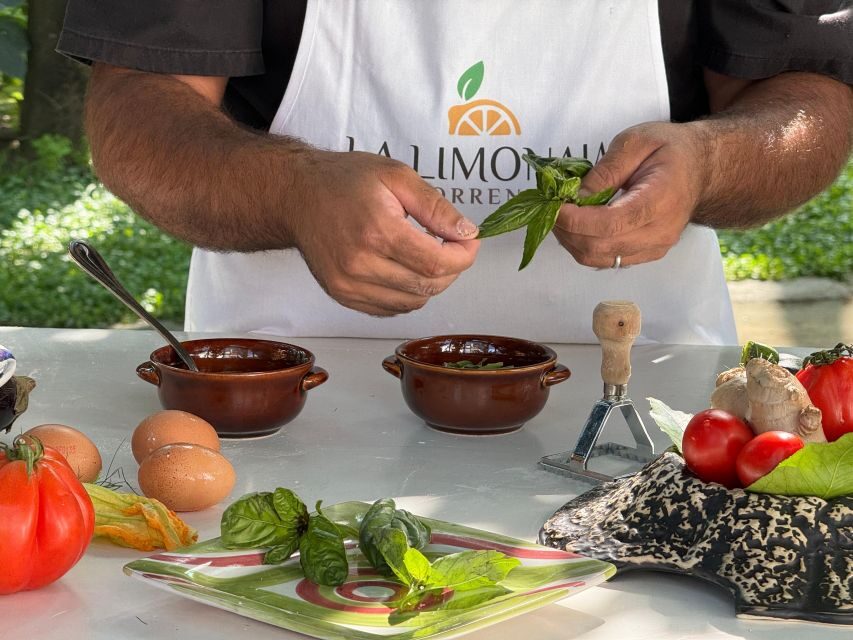
A standout element is that you don’t just receive ingredients. You pick them from the garden first, then you cook with what you chose. It’s a small shift, but it changes your attention in a useful way. When you’re picking herbs or citrus, you start thinking about flavor intensity and timing. Then when you eat the dish afterward, you’ll connect the taste to the ingredient source.
Also, the menu can change based on seasonality. That’s not a trick to keep you guessing. It’s a practical approach to using what’s freshest when it’s best. If you’re the type who hates repeating the same tourist menu everywhere, this makes your day feel more local.
What You’ll Cook: Homemade Pasta, a Second Course, and Tiramisu
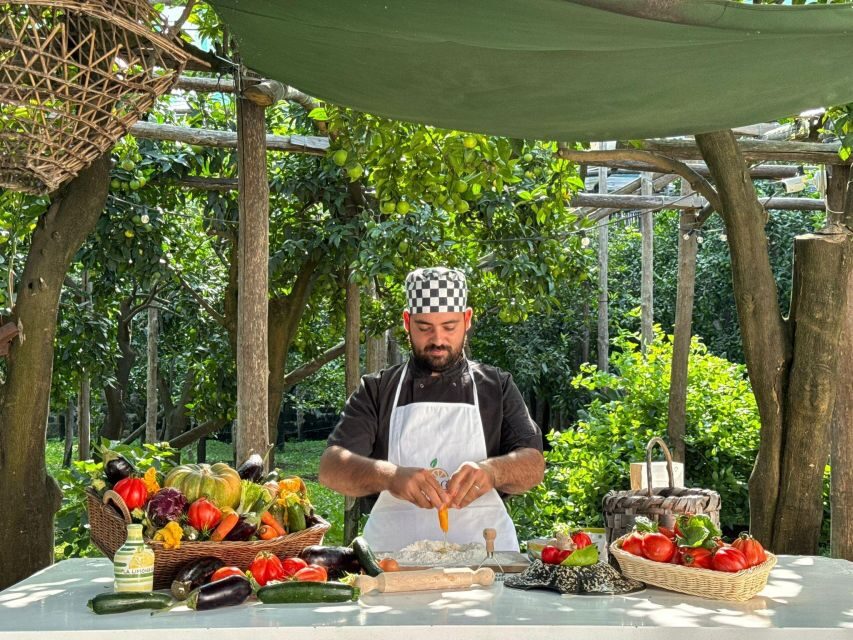
The core promise here is a traditional Sorrento menu made hands-on. It typically includes:
- First course: homemade pasta
- Second course: one of the traditional options taught by the chef
- Dessert: tiramisù with coffee or agrumance juice
Homemade pasta: the foundation
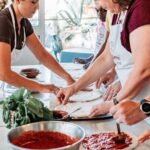
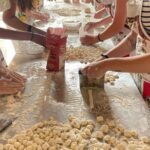
The first course is built around homemade pasta. Even if you’re a beginner, this part is valuable because it teaches you how dough should feel and what “right” looks like before it hits boiling water. Homemade pasta is also where you learn the most transferable technique—you can apply the feel and method to other shapes later.
You can also read our reviews of more tours and experiences in Sorrento


Second course options you might learn
Depending on the menu selected for your class, you might learn dishes like:
- Gnocchi alla sorrentina
- Ravioli alla caprese
- Eggplant parmigiana made with fried eggplant
From a practical standpoint, these choices cover a range of Italian textures:
- Gnocchi teaches shaping and sauce pairing.
- Ravioli forces focus on filling and sealing.
- Eggplant parmigiana is all about managing fried eggplant and building the layered comfort-food effect.
Dessert: tiramisù with coffee or agrumance juice
The dessert is not optional, and it’s not just generic tiramisù. You’ll make tiramù with either coffee or agrumance juice, which ties the sweetness back to citrus flavors. If you like dessert that tastes like it belongs to the region—not just the classic world-famous standby—this part lands well.
When the cooking finishes, you’ll taste what you made and judge your own dish in the shade of the pergola. That’s a fun touch, because it turns the class into a feedback loop. You see what you got right, what you want to improve, and what you’d replicate at home without needing perfect memory.
Lunch Under the Pergola: Wine, Limoncello, and the Social Part
Once you’re done cooking, the day turns into eating mode. You’ll sit with others and enjoy lunch accompanied by a good glass of wine, plus water/wine/limoncello included in the experience. The overall vibe is relaxed but celebratory: you spent time making the meal, so you don’t feel like you’re just consuming it.
This is one of those experiences where the setting changes how you eat. Shade helps. Shared plates and conversations help. And because you made the food, you’re tasting with attention instead of autopilot.
There’s also something subtly practical here. Eating together means you can compare notes with the people you cooked next to. You’ll notice small differences in shape, sauce coverage, or plating style, and that gives you real learning without a formal “class recap.”
Value and Price: Is $158.60 Worth It?
At $158.60 per person, it’s not a budget cooking class. But the price can make sense if you think about what you’re really buying.
You’re getting:
- A guided cooking experience in English
- A complete traditional menu (pasta, second course, tiramisù)
- A welcome drink and included lunch
- Water, wine, and limoncello
- Ingredient picking from the garden
- Recipe materials to take home
If you’re trying to compare it to a dinner out, the math changes quickly. A typical Sorrento meal won’t include you actually making the pasta, learning multiple techniques, and then receiving recipes. It also won’t usually include that citrus-grove ingredient selection component.
This is worth it most when you:
- Want a hands-on activity that still ends in a real sit-down meal
- Prefer authentic, region-specific cooking over generic pasta-making
- Like traveling with a plan that also pays off at the table
If you’re only interested in watching cooking and don’t want to get your hands dirty, you may find the cost harder to justify.
The Heat Factor: Plan for a Summer-Grade Working Session
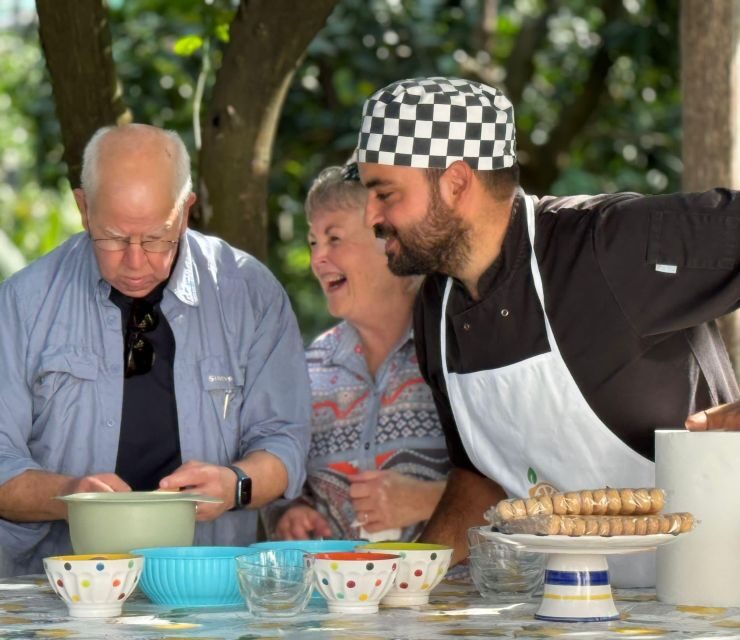
One of the clearest considerations from the experience details is the heat. One review flagged that it was incredibly hot, even though the overall afternoon was still praised as fun and delicious. That lines up with the kind of outdoor citrus setting where cooking happens in the sun and shade shifts with the day.
What I’d do if you book:
- Dress in light breathable clothes.
- Bring something for sun protection (hat, sunglasses).
- Pace yourself with water and don’t stack heavy cocktails on top of warm weather cooking.
You don’t need to panic, but you should treat the day like a summer cooking shift, not a museum visit.
The Instructor and the Style of Teaching
English instruction is stated clearly, and that’s the practical side. Beyond language, the experience seems to succeed because the chef/instructor approach is patient and guided enough for groups.
A review specifically praised the chef named Clorio, calling out that Clorio was patient, fun, and talented. They also noted that an assistant helped with a larger group, especially while making ravioli. That’s a good sign for you: if you’re worried about holding up the group or falling behind, the setup suggests there’s support when production gets busy.
Also, because the menu includes shaped pastas like gnocchi or ravioli, you’ll want to expect some hands-on work that takes a bit of focus. This isn’t just chopping and stirring. It’s shaping food you then cook and eat.
Recipes to Take Home (So It’s Not One-Day Only)
This class hands you recipes for the dishes you want to cook at home. That’s one of the best “value multipliers” in any cooking class.
If you only take home memories, the experience fades fast. But if you leave with a real recipe, you can recreate:
- Your homemade pasta technique
- The second-course dish you made
- The dessert method for tiramisù with coffee or agrumance juice
So the class can become a travel souvenir you actually use, not a photo album assignment.
Who This Cooking Class Fits Best
This experience works especially well if you:
- Want a hands-on activity instead of just sightseeing
- Like citrus-forward flavors and want to cook them, not just admire them
- Enjoy learning in a social setting over a shared lunch
- Travel in a way that mixes culture with practical food skills
It also fits couples and solo travelers who want a structured plan that ends with wine and dinner you helped make. If you dislike group activities or you’re looking for a quick two-hour meal with minimal involvement, you might feel the time is more active than you expected.
Should You Book This Sorrento Cooking Class?
Book it if you want a real taste of Campania cooking that’s hands-on, region-specific, and ends with a meal you made in the lemon grove. The ingredient picking, the homemade pasta, and the tiramisù dessert make it feel complete—like an afternoon with a purpose, not just a show.
I’d think twice if heat outdoors will be a big problem for you, or if you want a cooking class that’s mostly observational. But if you can handle warm weather and you’re excited to shape pasta and cook one of the classic Sorrento second courses, this is a strong choice for Sorrento.
FAQ
How long is the cooking class?
The duration is listed as 2.5 hours. In practice, it may run longer depending on the group and how long certain pasta steps take.
What dishes will I learn to make?
You’ll cook a traditional Sorrento menu that includes a first course with homemade pasta, a second course, and a dessert. The chef may teach options like gnocchi alla sorrentina, ravioli alla caprese, or eggplant parmigiana, plus tiramisù for dessert.
Do we eat what we cook?
Yes. You taste your culinary creation at the end of the class, then enjoy lunch with wine in the shade of a pergola.
Can I pick ingredients from the garden?
Yes. The experience includes picking genuine fresh ingredients from the garden, and then using them in what you cook.
Is the class taught in English?
Yes. The instructor/instruction is in English.
What’s included in the price?
The price includes a welcome drink, the complete cooking class, water/wine/limoncello, and lunch. Food and drinks are included.



More Workshops & Classes in Sorrento
More Cooking Classes in Sorrento

More Tour Reviews in Sorrento
- Sorrento Farm and Food Experience including Olive Oil, Limoncello, Wine tasting
★ 5.0 · 2,524 reviews