REVIEW · SORRENTO
Sorrento Lemon Tour
Book on GetYourGuide →Operated by Amo Italy S.r.l. · Bookable on GetYourGuide
Lemon tours in Sorrento actually make sense. You get a calm walk through La Limonaia and learn what makes the IGP oval lemon special to the Sorrentine peninsula. It is a smart break from the usual rush, and the setting does most of the work for you.
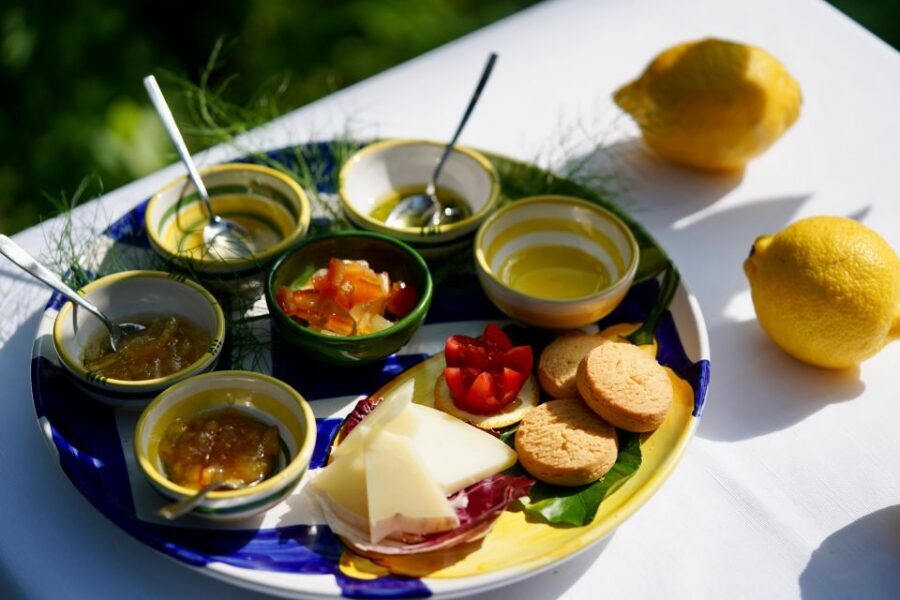
My favorite part is the food tasting that comes right after the grove walk. You try homemade marmalades with Provolone del Monaco, lemon-flavored oil, Sorrento walnuts, and a cold glass of home-made limoncello. It is a short tour, but the tasting feels like the point.
One thing to plan around: there is no hotel pickup. You will meet at the entrance gate of La Limonaia, which is only about a 5-minute walk from the train and bus station, but you still need to get yourself there.
In This Review
- Key points to know before you go
- La Limonaia: the easy, low-stress place to start
- The IGP oval lemon story (and why it matters in Sorrento)
- What you see during the grove visit
- The cultivation and production part: from tree to kitchen
- The tasting: marmalades, Provolone del Monaco, lemon oil, walnuts, limoncello
- Timing, pacing, and where this fits in your Sorrento day
- Price and value: does $53 buy enough here?
- What kind of traveler should book this?
- A few things to watch for
- Should you book the Sorrento Lemon Tour at La Limonaia?
- FAQ
- How long is the Sorrento Lemon Tour?
- What is included in the tour?
- What will I taste during the visit?
- Is the guide available in English?
- Where do I meet for the tour?
- Is hotel pickup included?
- Can I cancel for a refund?
- What should I bring?
Key points to know before you go
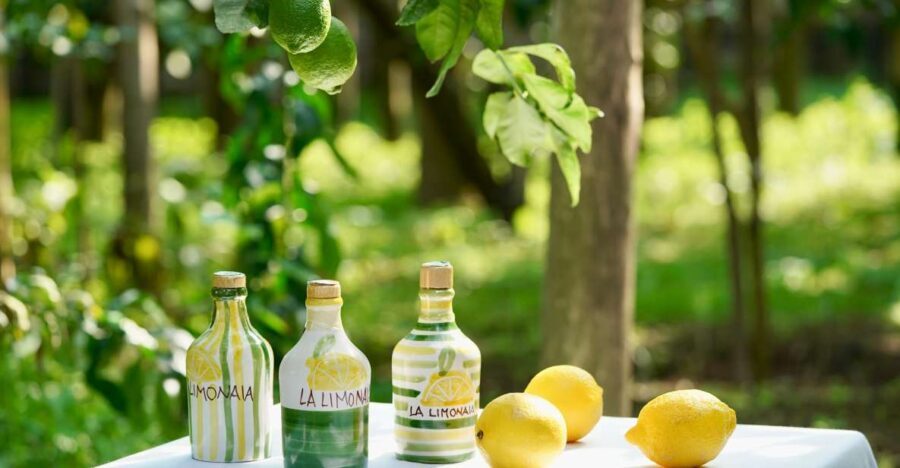
- La Limonaia meeting point right by the garden entrance on Via Bernardino Rota
- IGP oval lemon focus: grown on the Sorrentine peninsula, tied to local identity
- Cultivation and production show: how lemons go from tree to table
- Tasting lineup: marmalades, Provolone del Monaco, lemon oil, walnuts, and limoncello
- English live guide with a tight 45–60 minute format
La Limonaia: the easy, low-stress place to start
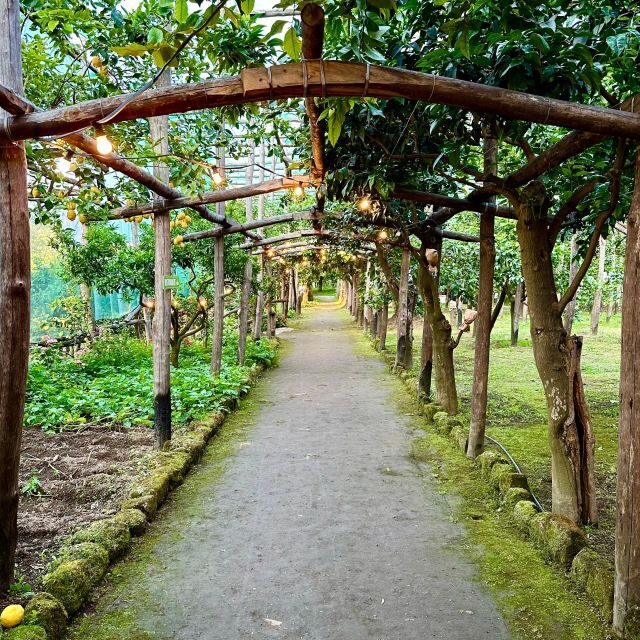
Sorrento can feel busy fast. This tour gives you a reset, starting at La Limonaia, a working lemon garden area that keeps things simple: you show up, meet at the entrance gate, and you’re in the grove shortly after. The pace is designed for an in-and-out visit that still feels meaningful.
The practical upside is how easy it is to reach. The garden is about a 5-minute walk from the train and bus station. If you’re already using public transport to get around Campania, you’ll appreciate that. You also avoid the stress of waiting for someone to pick you up, since there is no transfer included.
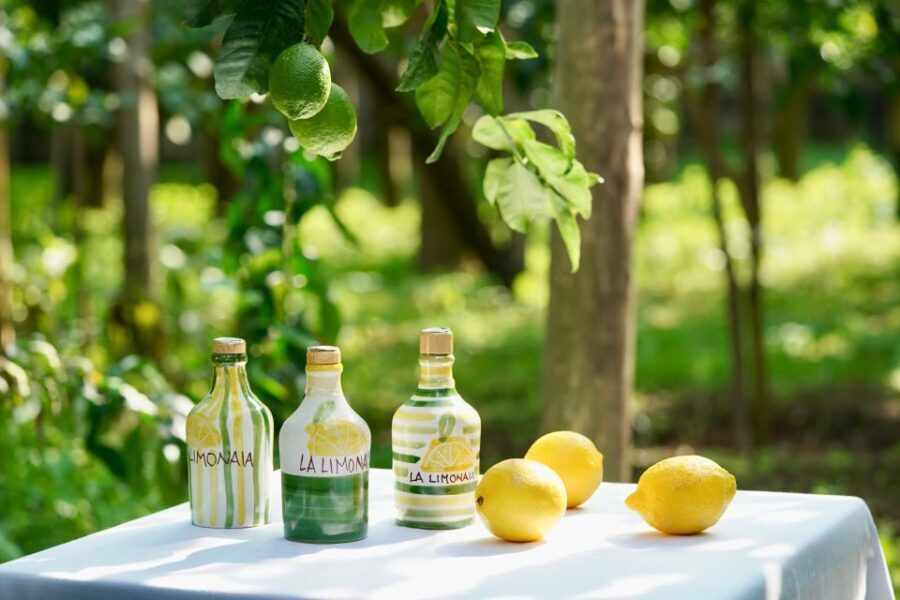
Plan to come with a camera. Even if you’re not the type to take photos of every plant, you’ll want a few shots once you see the lemon trees and the garden setup. It is also the kind of place where photos actually look good, because the setting is made for visitors.
Finally, check your confirmation details. After booking, you receive a message by email or WhatsApp, and it can land in spam. That is the boring part, but skipping it can mean showing up confused. Do the quick check once, and you’re good.
You can also read our reviews of more tours and experiences in Sorrento.
- Sorrento Farm and Food Experience including Olive Oil, Limoncello, Wine tasting
★ 5.0 · 2,524 reviews



The IGP oval lemon story (and why it matters in Sorrento)
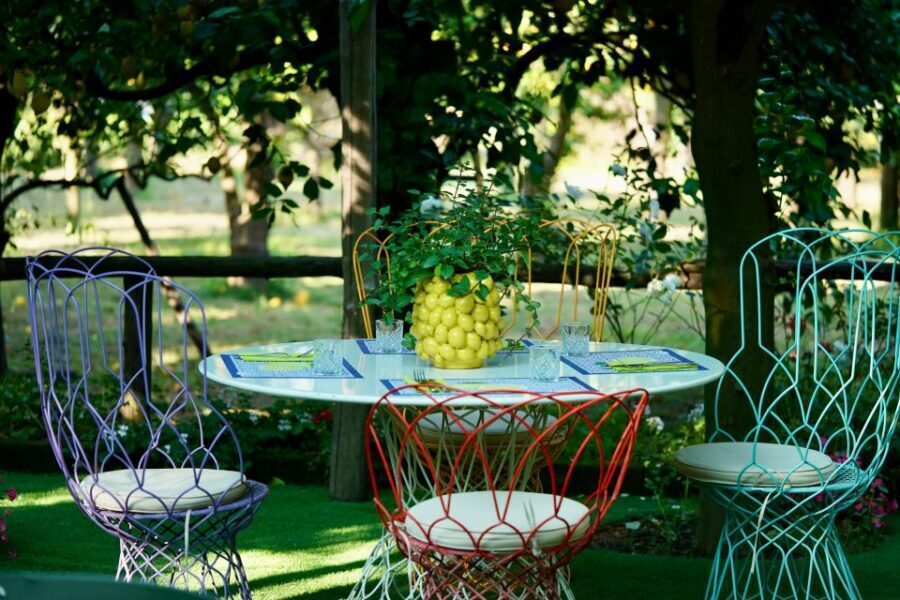
The tour’s big hook is the oval lemon of Sorrento/Massa Lubrense with the IGP mark. That sounds like food-industry jargon until you see how it gets explained on site.
You’ll learn that this lemon is tied to a very specific area: it’s grown on the Sorrentine peninsula, and the IGP label helps protect that connection. In plain terms, you’re not just hearing that lemons taste good. You’re learning why these lemons are treated differently from generic “citrus” and how place matters for flavor and quality.
This matters for you because it changes how you shop afterward. If you buy lemon products in Sorrento, knowing the origin story helps you avoid the feeling that everything is interchangeable. You’ll have a clearer sense of what people mean when they say Sorrento lemon is special, and you’ll be able to ask better questions in shops.
Also, the tour frames the lemon as part of local life—not just as a tourist souvenir. That’s why it pairs well with a day that includes beaches, boat trips, or walking around town. It adds context without eating your whole afternoon.
What you see during the grove visit
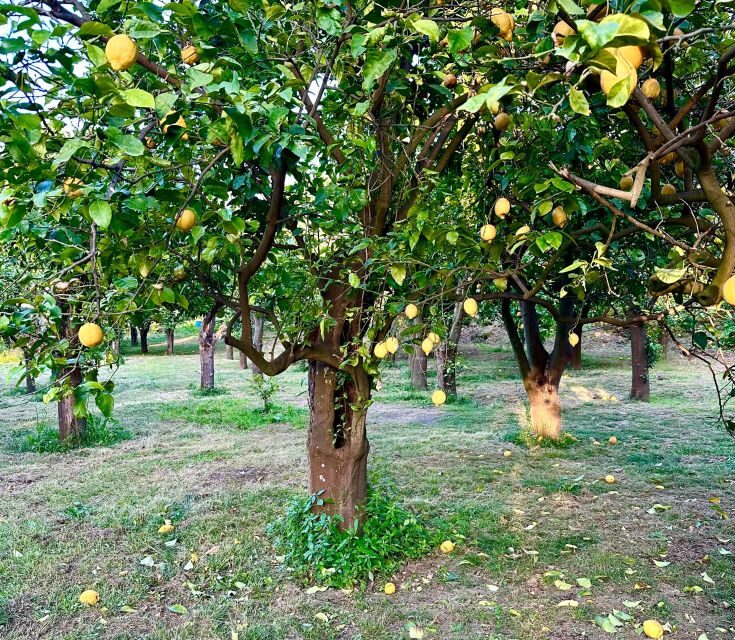
Your time in the lemon garden is guided and focused. Expect a walk through a traditional lemon garden setting and an explanation of how the trees are tended.
The tour includes:
- the grove visit itself
- a look at cultivation and production techniques
- the history and the ongoing role of lemon in both old and modern cooking
Even if you’re not a gardening person, there’s something satisfying about seeing how a product you eat or drink is actually grown. The tour doesn’t stall at generalities. It points you toward the practical story: how lemons are cultivated, what methods are used, and why the result matters.
A small timing note: it runs about 45 minutes to 1 hour. That short window is ideal for a travel day when you want value without losing hours. The tour is long enough to learn what to watch for, short enough that you won’t feel stuck when your legs start to complain.
And if the weather turns? You might get lucky. One rainy-day experience included umbrellas being provided. So while you should still bring your own rain plan just in case, at least you’re not likely to be left totally dry.
The cultivation and production part: from tree to kitchen
This is where the tour earns its keep. Instead of only showing you trees and letting you guess, it explains the cultivation process and then connects it to how lemon products are made.
You’ll hear about:
- the lemon growing process
- how those techniques connect to taste
- how lemon has been used in ancient and modern cuisine
For many visitors, that connection is the real surprise. Limoncello, marmalade, lemon oil—these can feel like random regional flavors until you understand that they come from a specific crop with a specific identity. Once you make that mental link, the tasting stops feeling like a snack and starts feeling like a mini education.
If you like food experiences where you can actually “use the information later,” this section does that. After the tour, you’ll be better at tasting with intent. You’ll know to pay attention to sweetness versus acidity, and you’ll understand why lemon oil and marmalade carry different flavors even when the ingredient name is basically the same.
The tasting: marmalades, Provolone del Monaco, lemon oil, walnuts, limoncello
Here’s the best part, and the one I’d plan my afternoon around: the tasting.
You’ll try a lineup built around real local pairings:
- homemade marmalades
- Provolone del Monaco cheese
- lemon-flavored oil
- Sorrento walnuts
- a cold glass of home-made limoncello
What makes this tasting work is the mix of textures and roles. Marmalade brings sweetness and fruit notes. The cheese adds saltiness and depth, which balances the citrus. Lemon oil gives you a more aromatic, almost “scent-first” experience compared to thicker preserves. Walnuts add a nutty, earthy counterpoint. Then limoncello caps it with straight-up lemon flavor in drinkable form.
If you’ve had limoncello before, you might still enjoy this because it’s tied to the same lemon story the guide just explained. It is not limoncello in a vacuum. It’s limoncello from a specific lemon identity, paired with locally made products and presented as part of a system, not a gimmick.
It’s also a pretty good “satisfaction per minute” deal. A tour that lasts under an hour can still deliver real pleasure if the tasting is done right—and here, it is built as the finale.
One practical tip: pace yourself. Limoncello is served cold, but it still hits like alcohol. If you’re heading straight back into town for dinner or evening drinks, remember you’ll likely feel it a bit more than you expect because you’re tasting multiple items in a row.






Timing, pacing, and where this fits in your Sorrento day
This tour is short. That sounds basic, but it’s actually the secret to making it a great choice.
In Sorrento, it’s easy to build a day that’s too ambitious. You cram in the old streets, hop on a bus or ferry, squeeze in views, and suddenly you’re tired before you’ve done anything truly local. This lemon tour gives you a contained, guided experience that fits between longer plans.
A smart way to use it:
- If you’re doing a morning activity elsewhere, use this after lunch when you need something calmer.
- If you’re arriving in Sorrento mid-day, it’s a quick way to get oriented with local food culture before you branch out.
People have also appreciated arriving early, because staff can welcome you to sit in a garden café area, and drinks like mint water may be offered. That means if your timing runs a little early, you’re not stuck standing outside.
Also, the guide runs it in English. So you’re not relying on sketches or reading labels. You can follow the story without feeling like you’re guessing.
Price and value: does $53 buy enough here?
At $53 per person, you’re paying for three things at once:
1) a guided visit through the lemon garden
2) the cultivation/production explanation
3) a structured tasting with multiple local products
In Sorrento, where food experiences range from cheap snacks to pricey tastings, this price usually feels fair because the tour is compact and the tasting is substantial. You’re not just sipping something and leaving. You’re trying several products that make the lemon story come alive.
Value isn’t only about cost—it’s about how much you can take away. This tour gives you:
- knowledge of what makes the lemon specific (IGP and locality)
- a sensory baseline for what “Sorrento lemon” tastes like across formats
- a clear set of items you can later look for when buying souvenirs
And because the garden visit is right near major transport options, you’re not paying extra for complicated transfers. You do need to get there yourself, but the meeting point is convenient.
If you’re the type who likes learning while eating (the best kind of travel habit), this is an efficient use of time.
What kind of traveler should book this?
I think this tour is especially good for you if you:
- want a food-and-facts experience without a huge time commitment
- care about local products and how they connect to a specific area
- like tasting menus, but in a smaller, more relaxed way
- travel in a way that prefers short guided stops over long lectures
It also works well for families and group birthdays since the garden setting feels calm and easy to enjoy. The pairing of cheese, marmalade, oil, and limoncello is a nice mix, so it’s not only about sweet tasting.
If you’re a hardcore citrus nerd, you’ll appreciate the cultivation focus. If you’re not, you’ll still likely enjoy the story and the flavors, because the tasting is the payoff.
A few things to watch for
- No hotel pickup: plan your route to the meeting point.
- Bring a camera: the garden is photo-friendly.
- Eat beforehand if you’re sensitive to alcohol: you’ll taste limoncello at the end.
- Weather can happen: if it rains, you might be given umbrellas, but bring a light layer just in case.
- Confirmation matters: check email/WhatsApp and spam folders so you don’t miss the exact details.
Should you book the Sorrento Lemon Tour at La Limonaia?
If you want a quick, local experience in Sorrento that connects a place (the Sorrentine peninsula) to a product (IGP oval lemon) and ends with a real tasting, I’d say yes. This is the kind of tour that gives you something useful even after you leave—better taste awareness and better shopping instincts.
I’d skip it only if you’re looking for a long, multi-hour deep botanical outing or you hate guided tastings. It is short on purpose, and the tasting is central to the experience.
If your day is already packed, this one is a smart slot. You trade an hour for a lemon education and a lineup of flavors you’ll remember when you spot those bottles and jars later in town.
FAQ
How long is the Sorrento Lemon Tour?
The tour lasts about 45 minutes to 1 hour.
What is included in the tour?
It includes a visit to the lemon grove, a local guide, and tastings of local products.
What will I taste during the visit?
The tasting includes homemade marmalades, Provolone del Monaco cheese, lemon-flavoured oil, Sorrento walnuts, and a cold glass of home-made limoncello.
Is the guide available in English?
Yes, the tour has a live guide in English.
Where do I meet for the tour?
Meet at the entrance gate of La Limonaia Garden, Via Bernardino Rota, 4, 80067 Sorrento NA, in front of De La Ville Hotel.
Is hotel pickup included?
No, pick-up from your hotel or meeting point in Sorrento is not included.
Can I cancel for a refund?
Yes. You can cancel up to 24 hours in advance for a full refund.
What should I bring?
You should bring a camera.



More Tours in Sorrento

More Tour Reviews in Sorrento
- Sorrento Farm and Food Experience including Olive Oil, Limoncello, Wine tasting
★ 5.0 · 2,524 reviews