REVIEW · SORRENTO
The Three Tenors in Sorrento: Opera Arias, Naples and Songs
Book on GetYourGuide →Operated by Opera e Lirica srl · Bookable on GetYourGuide
Sorrento turns opera into an easy, emotional night. You get the big-name pull of Francesco Fortes, Alessandro Fortunato, and Stefano Sorrentino plus a tight string-and-piano setup inside the Correale Museum. Two things I really like are how the program blends Tosca/Rigoletto/Turandot with classic Neapolitan favorites, and how close the sound feels in the hall. One possible drawback: the venue is small and warm can hit hard during summer, so plan to arrive a bit early and give yourself time to settle in.
This isn’t a stiff, academic recital. The voices are front-and-center, and the pacing is built for real reactions—romance, big high notes, and some light laughs. It’s also a rare chance to see operatic material in a setting that still feels unmistakably Italian and local, not dressed up for tourists.
If your idea of a great Sorrento evening is a short commitment, recognizable music, and a memorable atmosphere, this concert checks a lot of boxes. With an 80-minute runtime and a short break, it’s a show you can fit into your last night in town without exhausting your schedule.
In This Review
- Key points at a glance
- Why the Three Tenors Show Works in Sorrento’s Correale Museum
- Your Pre-Concert Walk Through the Correale Museum Gardens
- Inside the Hall: Close-Up Acoustics and the Small-Group Feeling
- Opera Arias in the First Half: Tosca, Rigoletto, Turandot and More
- Neapolitan Songs in the Second Half: From ’O Sole Mio to Caruso
- Meet the Performers: The Three Tenors Plus Piano and Strings
- Audience Interaction and the Comedy-Tear Balance
- Price and Value: What $71 Really Buys You
- Practical Tips for a Smooth Evening (Timing, Phones, Comfort)
- Who This Concert Is Best For (and Who Might Hesitate)
- Should You Book This Concert in Sorrento?
- FAQ
- Where does the concert take place?
- How long is the concert?
- What music is included?
- Is food or drinks included in the ticket?
- Is it wheelchair accessible?
- Are pets allowed?
- Can I cancel for a refund?
Key points at a glance
- Correale Museum setting: a museum concert hall plus time to stroll in the gardens beforehand
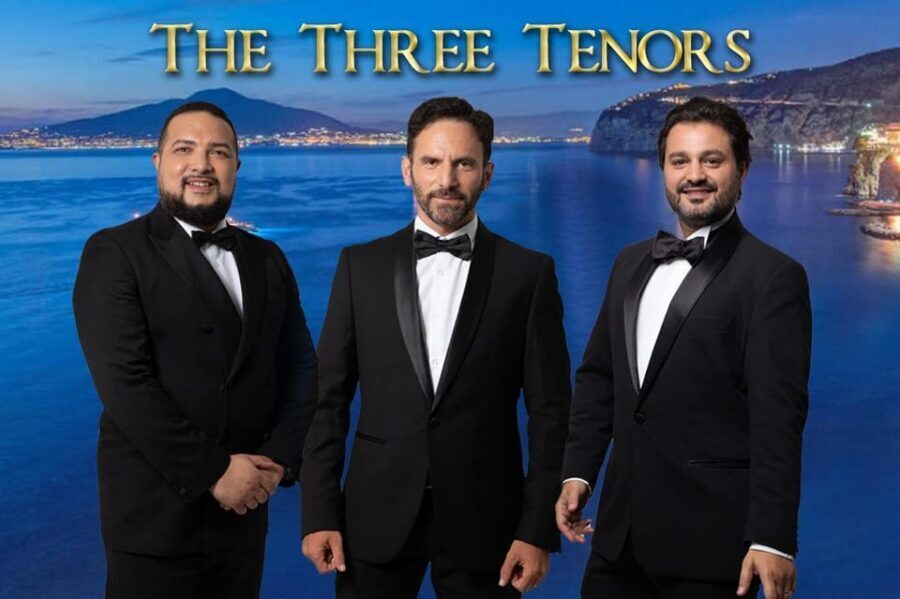
- Famous tenors, not a “tribute” show: Francesco Fortes, Alessandro Fortunato, Stefano Sorrentino
- Opera first, Neapolitan songs second: Tosca, Rigoletto, Turandot, then songs like ’O sole mio
- Intimate sound: reviews repeatedly point to close-up acoustics and you hearing nuance
- Short break built in: a 10-minute pause helps you reset mid-show
- You can expect energy: audience participation and humor are part of the evening
Why the Three Tenors Show Works in Sorrento’s Correale Museum
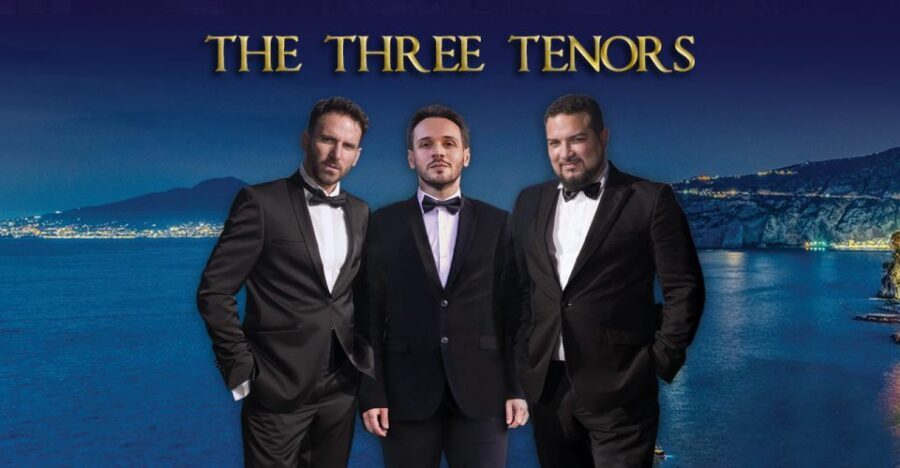
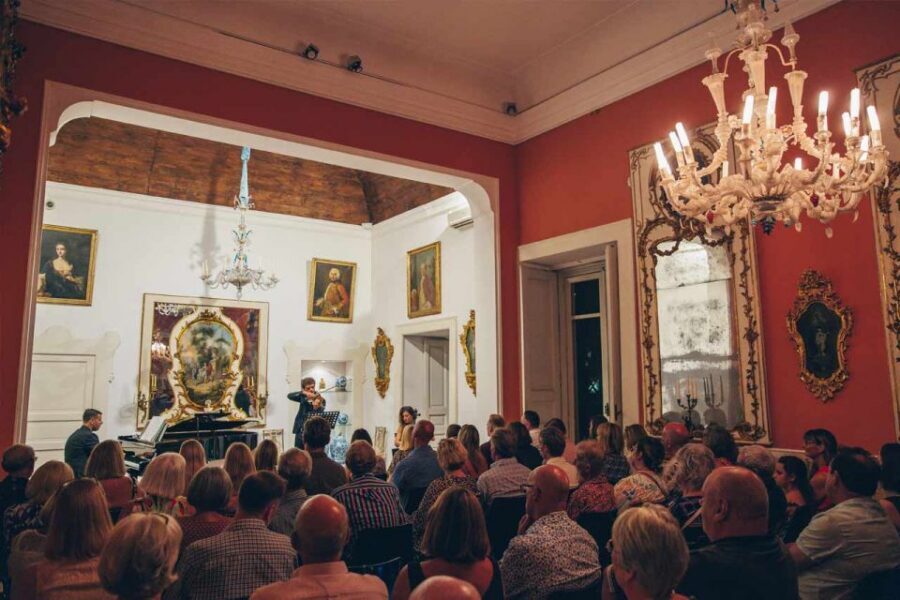
The setting does a lot of work here. The concert takes place at the Museo Correale di Sorrento (via Correale 50), and the whole experience has the feel of being invited into a cultured Italian space rather than shuffled through a big-ticket performance.
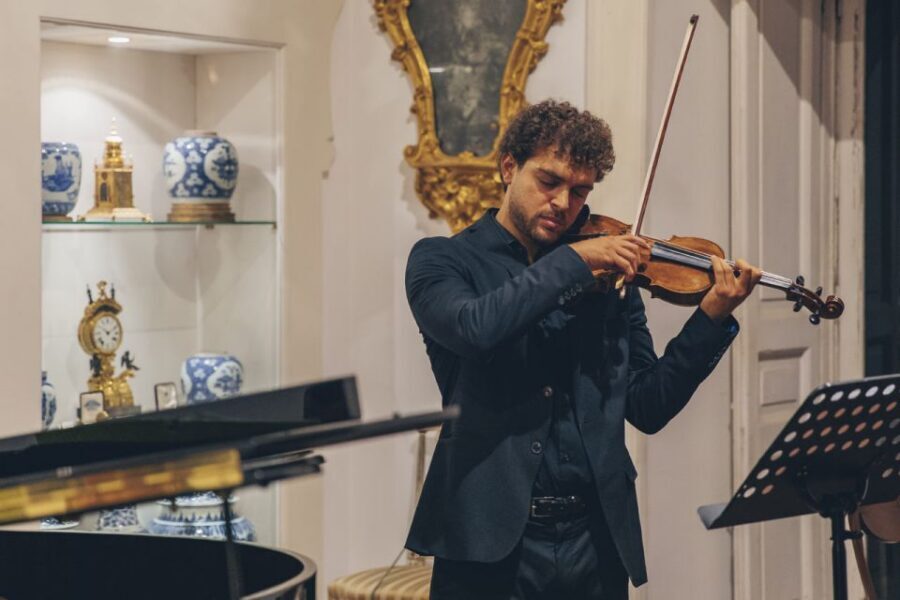
I like how the format keeps the focus on the music. Three tenors singing with a live string setup and piano means you’re not watching something “projected” or watered down. The hall’s size (people describe it as small and intimate, roughly around a hundred seats) helps the sound lock in, so you’re more likely to catch the emotional edges in the phrasing—not just the notes.
The show is also built around recognition. Even if you don’t speak Italian, the melodies in the first half and the singable tunes in the second half are the kind of songs people remember after one listen. That matters in a place like Sorrento, where your evenings already come packed with choices.
You can also read our reviews of more tours and experiences in Sorrento.
- Sorrento Farm and Food Experience including Olive Oil, Limoncello, Wine tasting
★ 5.0 · 2,524 reviews


Your Pre-Concert Walk Through the Correale Museum Gardens
You’re not just walking into a theater. You start at the museum, and you get time to wander through the halls and gardens before the concert begins.
This is one of the best parts of the evening because it slows you down. Sorrento can feel like you’re always moving—cliff-top views, streets busy with scooters, then a busier dining scene at night. Here, you get a calmer tempo: walk the grounds, look around the museum interior, and let the atmosphere build.
In practical terms, that pre-show time also helps your comfort. Reviews note the gardens and reception area can be a good place to cool off, and some people mention buying a glass of white wine there before the music starts. Since food and drinks aren’t included in the ticket, this is one of the few moments where you can top up with something extra without scrambling afterward.
Inside the Hall: Close-Up Acoustics and the Small-Group Feeling
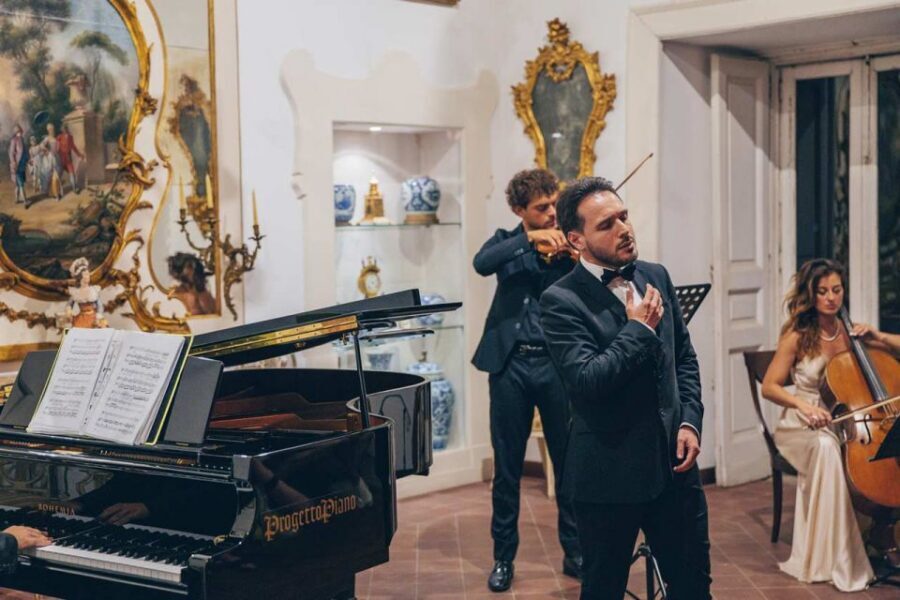
The concert hall is where the magic gets real. Multiple accounts highlight incredible acoustics and the ability to hear detail, which is exactly what you want from a live opera-meets-pop program.
A small room changes how you experience sound. Big opera can feel like a “performance from far away” in a huge auditorium; here, the distance between singer and audience is short enough that you register breathing, phrasing, and expression. That’s why people talk about being moved emotionally, and why it often lands for people who think they’re not “opera people.”
There are comfort extras too. The venue lists air conditioning and toilets as available, which is worth noting in warm months. If it’s a hot day on the Amalfi Coast, you’ll probably appreciate having that basic relief once you settle in.
One small caution: because the hall is intimate, phone screens and bright recording lights can distract. If you’re the kind of person who records, try to keep it brief and low brightness—or skip filming the first half so you can actually enjoy the performance.
Opera Arias in the First Half: Tosca, Rigoletto, Turandot and More
The concert’s first act is pure opera hit parade, with arias and moments many people recognize instantly. You’ll hear selections tied to major names like Puccini, Verdi, and Massenet, plus a few curveballs that keep the program from feeling repetitive.
From the running order, the first half includes pieces like:
- Thais – Meditation (Jules Massenet)
- Vesti la giubba (Ruggiero Leoncavallo)
- Non ti scordar di me (Ernesto De Curtis)
- Tosca – E lucevan le stelle (Giacomo Puccini)
- Cavalleria Rusticana – Intermezzo (Pietro Mascagni)
- Granada (Agustín Lara)
- Rigoletto – La donna è mobile (Giuseppe Verdi)
- Turandot – Nessun dorma (Giacomo Puccini)
- La Traviata – Libiam nei lieti calici (Giuseppe Verdi)
This mix does something clever for your evening. The show starts with lyric, romantic material, then ramps up with big, show-stopping moments like Nessun dorma and the swagger of La donna è mobile. Even if you’re not tracking every title, you’ll feel the shift—soft emotion, then momentum, then that triumphant “opera on full volume” energy.
And the short 10-minute break after the first set matters more than you might think. In an 80-minute concert, it keeps attention sharp. You also get a chance to stretch your legs, grab water if you want, and reset mentally so the second half lands with maximum punch.
Neapolitan Songs in the Second Half: From ’O Sole Mio to Caruso
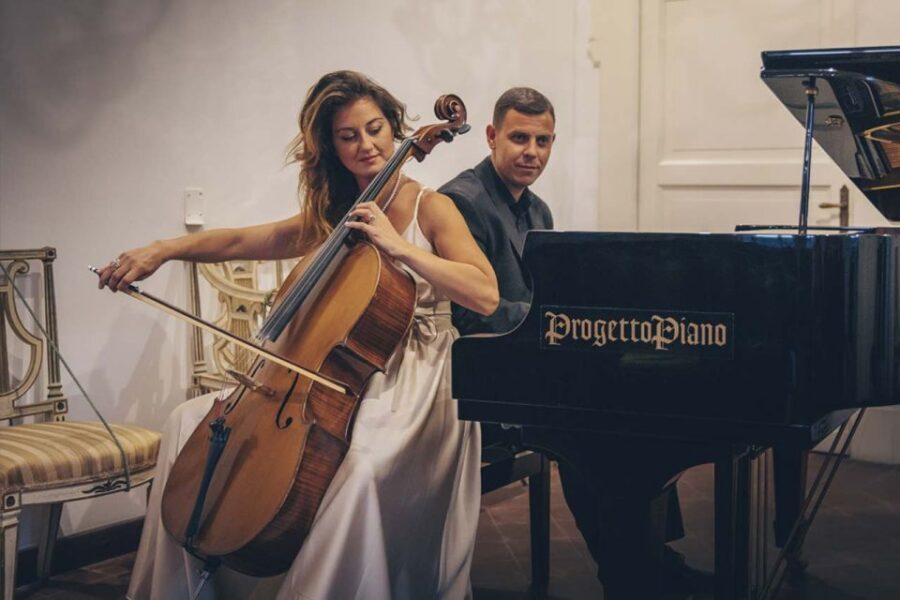
The second half turns the mood toward Naples and the tradition of canzoni napoletane—songs that feel like they belong to street life, family gatherings, and late-night radios.
The program shifts into a medley-style flow with titles including:
- ’O paese d’ ’o sole (Vincenzo D’Annibale)
- Parlami d’amore Mariù (Cesare Bixio)
- ’O surdato ’nnamurato (Enrico Cannio)
- ’O sole mio (Eduardo di Capua)
- Nel blu dipinto di blu (Domenico Modugno)
- Con te partirò (Andrea Bocelli)
- Caruso (Lucio Dalla)
- Torna a Surriento (Ernesto De Curtis)
- Funiculì funiculà (Luigi Denza)
I like this portion because it’s the easiest way to connect with the region’s musical identity. The melodies are bold, and many of them are “you know this one” songs, even if you only know them from pop culture or older recordings.
Also, the second half tends to feel more communal. In a small room, songs that invite emotion or call-and-response energy can feel surprisingly personal. That’s where you often see the most smiles, and also where the “brought-to-tears” reaction happens for people who didn’t expect it.


Meet the Performers: The Three Tenors Plus Piano and Strings
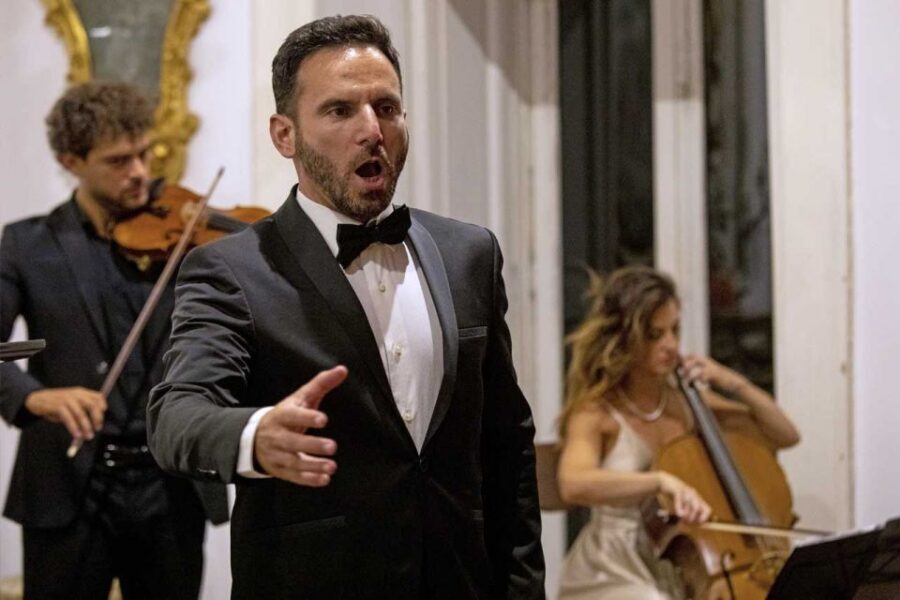
The headliners are three tenors with their own strengths, and that’s part of why the show feels fun rather than one-note.
The singers are:
- Francesco Fortes
- Alessandro Fortunato
- Stefano Sorrentino
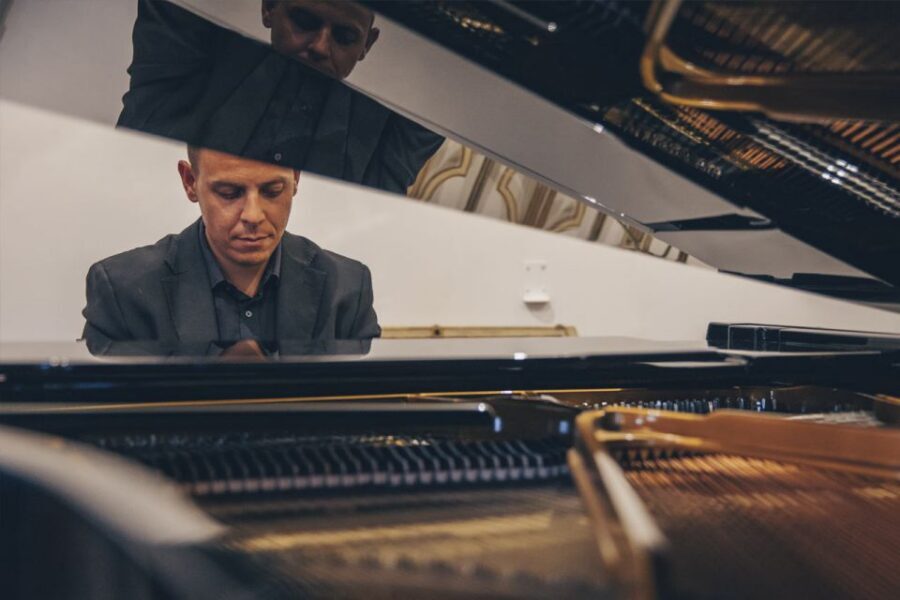
The musicians listed for the performance include:
- piano: Davide Cesaran
- violin: Andrea Montellacello
- cello: Norma Ciervo
When you have a trio of voices and a small live string setup, you get variety in texture. Opera arias need the right blend of power and clarity, while Neapolitan songs often shine with a warmer, more melodic delivery. This group’s lineup matches both halves of the program, and it keeps the sound from turning thin or purely vocal-only.
You’ll also notice the dynamic between the tenors. People describe chemistry and a performance that feels alive, not like three men standing still while the orchestra plays “their part.” Even without language skills, stage presence reads fast when the room is small.
Audience Interaction and the Comedy-Tear Balance
This isn’t a silent, formal concert. There’s audience interaction, and there’s humor woven into the evening. That matters in Sorrento, where you’re often choosing between big visual experiences (views, boats, gardens) and evenings that can feel too quiet.
The best way to think about the mood: the show can go from goosebumps to laughter without losing momentum. Opera includes passion by default, but the addition of playful moments makes it easier to relax into the emotion instead of treating it like a museum exhibit.
One more practical tip: if you want photos or video, watch how it affects the people behind you. In a small hall, bright screens are more disruptive than in a larger theater. You’ll get more from the experience if you treat the first half as live, then use intermission for your memories.
Price and Value: What $71 Really Buys You
At $71 per person for an 80-minute performance, you’re paying for a specific kind of value: live voices, live instruments, and a venue that helps the acoustics do their job.
Here’s why it can be worth it:
- You’re getting multiple familiar composers in one night: Puccini, Verdi, and others, then the classic Naples songbook.
- The format is short enough to feel like a “real plan,” not an all-night commitment.
- The intimacy of the hall tends to make your seat feel more meaningful.
The ticket includes tickets only. That means food and drinks aren’t included, and you may see extra charges for water or alcohol. Some people mention buying wine or Prosecco before the concert in the garden area for a small extra cost, which is a good sign you can handle this without turning your evening into a budget stress test.
So my advice: plan for the ticket cost, then decide on drinks separately. If you don’t drink alcohol, you’ll still enjoy the show; if you do, the pre-concert garden moment is the easiest place to add something.
Practical Tips for a Smooth Evening (Timing, Phones, Comfort)
A few things can make your night feel effortless:
- Arrive early enough to use the garden time. The experience starts before the first note, and the museum stroll is part of why this feels special.
- Keep your phone use in check. In a small hall, bright screens draw attention. If you film at all, keep it short and low brightness.
- Dress for indoor comfort. The venue lists air conditioning, but you may still feel the outdoor-to-indoor swing, especially in summer humidity.
- Bring a bit of patience for a packed experience. The venue is compact, and once the show starts, it’s all about the performance and the shared focus.
Also, think about logistics in Sorrento. The meeting point is the Correale Museum, via Correale 50. Getting there on foot from the center is usually manageable, and arriving without rushing helps you settle into the museum atmosphere.
Who This Concert Is Best For (and Who Might Hesitate)
This works especially well for you if:
- You want an evening that mixes high-level singing with widely recognizable music.
- You enjoy the emotional payoff of opera but don’t want a full-length, formal opera evening.
- You like local regional culture—specifically Neapolitan songs—paired with Sorrento’s own identity through songs like Torna a Surriento.
It might feel less ideal if:
- You’re strongly allergic to any audience interaction or stage humor.
- You want strictly “classical only,” with no Neapolitan medley and no cross-over song choices.
But even if you’re unsure, the structure is approachable: opera arias first for drama and craft, then a second half built for singable recognition.
Should You Book This Concert in Sorrento?
If you want a high-impact cultural evening without a long time commitment, I’d book it. The value comes from the combination: three major tenors, live strings and piano, an intimate hall with strong acoustics, and a program that moves from opera romance into Naples song energy.
Choose this when you want something memorable your last night in Sorrento, especially if you like music that makes you feel something fast. Just budget a little extra if you plan to buy drinks, and arrive early so you enjoy the museum grounds before the performance.
If that sounds like your kind of evening, you’ll probably come away thinking this is the kind of Sorrento night you can’t easily recreate at home.
FAQ
Where does the concert take place?
It’s at the Museo Correale di Sorrento, via Correale 50, Sorrento. Your meeting point is at the museum.
How long is the concert?
The performance runs about 80 minutes, including a 10-minute break.
What music is included?
The program mixes Italian opera arias in the first half and Neapolitan song medleys in the second half, with well-known titles like Nessun dorma, ’O sole mio, and Torna a Surriento.
Is food or drinks included in the ticket?
No. Food and drinks aren’t included. You may want to plan to purchase drinks separately if you want them.
Is it wheelchair accessible?
Yes, it’s listed as wheelchair accessible.
Are pets allowed?
No, pets are not allowed.
Can I cancel for a refund?
Yes. You can cancel up to 2 days in advance for a full refund.
More Tour Reviews in Sorrento
- Sorrento Farm and Food Experience including Olive Oil, Limoncello, Wine tasting
★ 5.0 · 2,524 reviews