REVIEW · AMALFI
Amalfi: Make tagliatelle, mozzarella and tiramisù
Book on GetYourGuide →Operated by Giovanni's cooking class · Bookable on GetYourGuide
This is the kind of Amalfi experience that feels more like family time than a tour: you’ll cook tiramisu, tagliatelle, and mozzarella using ingredients connected to the farm itself, then eat what you make. I love how the class blends the kitchen with the real work outside—walking the vegetable garden and seeing how the farm is cared for. I also love that you learn as you go, guided by Valentino and his family, with key help passed down from his grandmother Maria.
One thing to keep in mind: the setting is a working farm and the class runs rain or shine, so comfy clothes matter and you’ll want to expect outdoor time even when the weather isn’t perfect.
In This Review
- Key moments that make this class memorable
- At Valentino’s Family Farm Above the Amalfi Coast
- The 3-Hour Flow: Tiramisu, Pasta, Mozzarella
- First: Tiramisu and farm wine
- Next: Fresh pasta with garden products
- Then: Mozzarella from Bianca’s milk
- The Tiramisù Start: How the Class Gets You Cooking Fast
- Tagliatelle with Garden Ingredients: The Flavor Lesson
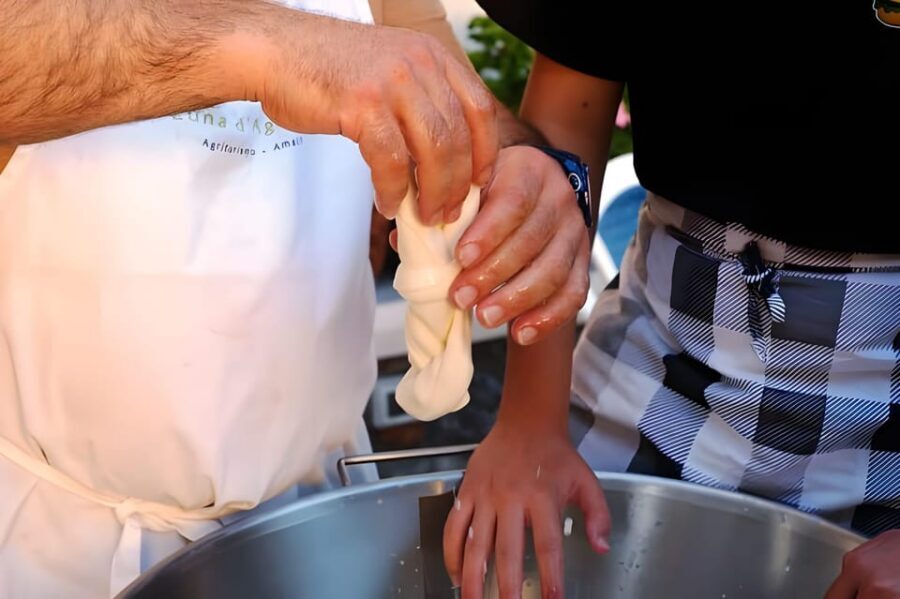
- Mozzarella from Bianca: Where the Meal Feels Real
- Animals, Gardens, and Maria’s Farm Influence
- Wine Tasting That Fits the Meal
- Price and Value: Is $71 Worth It?
- Practical Tips Before You Go
- Who Should Book This Amalfi Cooking Class
- Should You Book Amalfi: Make tagliatelle, mozzarella and tiramisù?
- FAQ
- What is the duration of the cooking class?
- What will I be making during the class?
- Is wine tasting included?
- Does the price include lunch or dinner?
- Do I get to visit the farm and meet the animals?
- Is hotel pickup and drop-off included?
- Does the class run if it rains?
Key moments that make this class memorable
- Meet the animals first, so the farm isn’t just scenery
- Tiramisu class start, with the recipes paced like a real family afternoon
- Use garden products for your fresh pasta—your ingredients have a backstory
- Mozzarella from Bianca’s milk, made fresh as part of the meal
- Wine tasting from the farm, paired with the work you’re doing
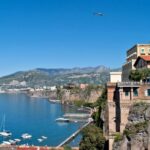
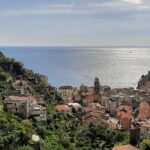
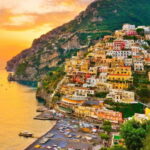
- A coast view that people talk about a lot, right from the farm surroundings
At Valentino’s Family Farm Above the Amalfi Coast
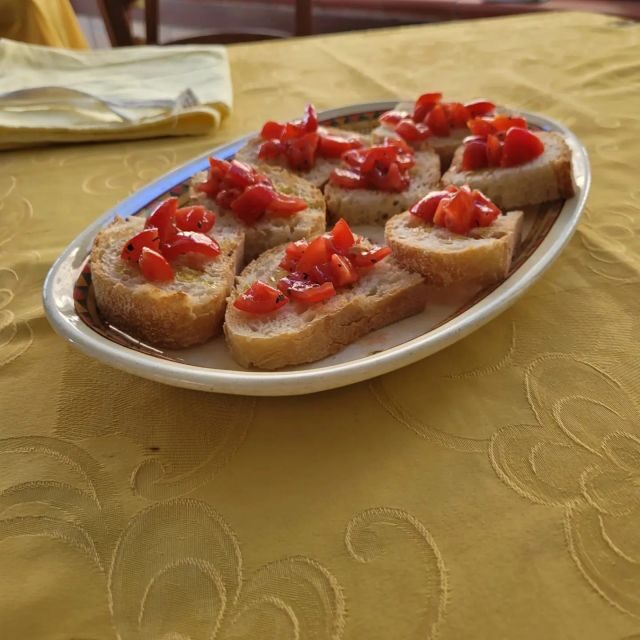
You start by being welcomed on a true southern farm by Valentino and his family. This isn’t a faceless cooking studio. It’s a working place with generations of caretaking behind it—Valentino’s parents, and especially his grandmother Maria, who’s deeply involved in how the farm is managed and how food traditions get handed down.
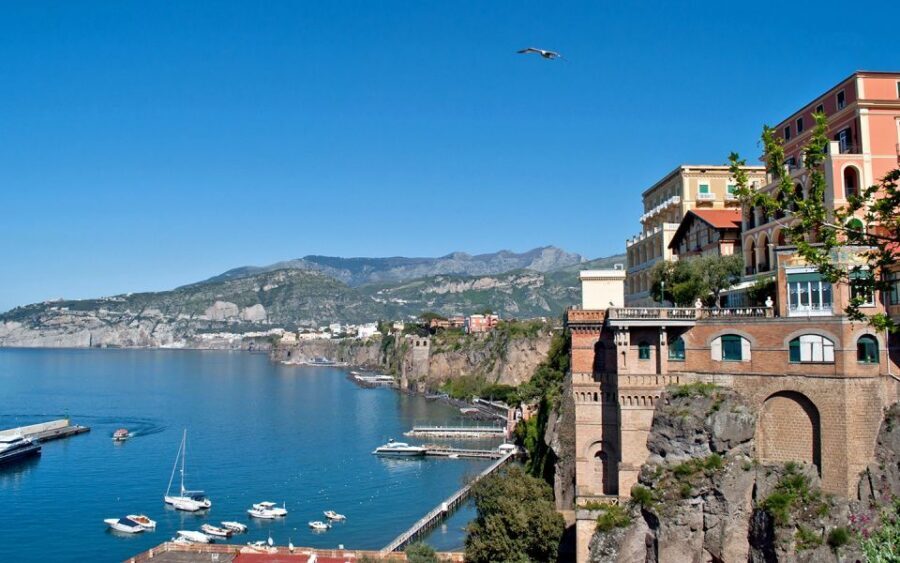
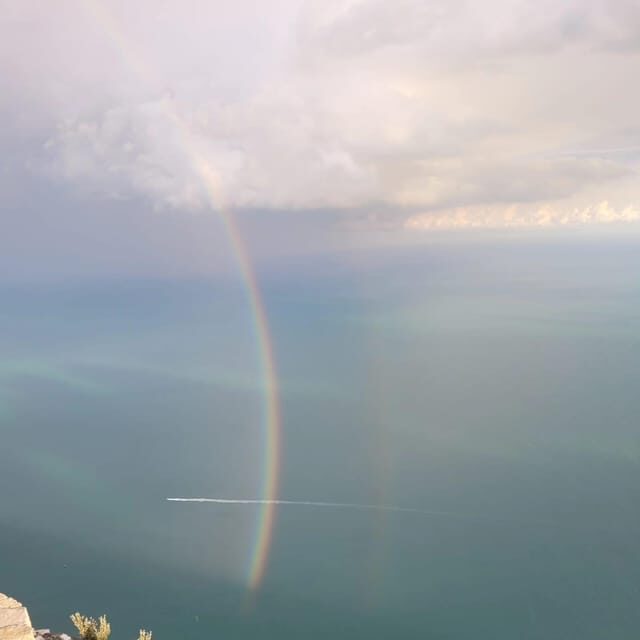
Before you pick up anything edible, you get oriented with the farm itself. You’ll explore the vegetable garden and the older farm areas, while taking in views over the Amalfi Coast. This matters more than you might think. In many cooking classes, you only see the kitchen. Here, you see the source, and it changes how you taste. When you know your pasta ingredients came from the garden you’re standing in, the meal feels less like a “class menu” and more like a real meal.
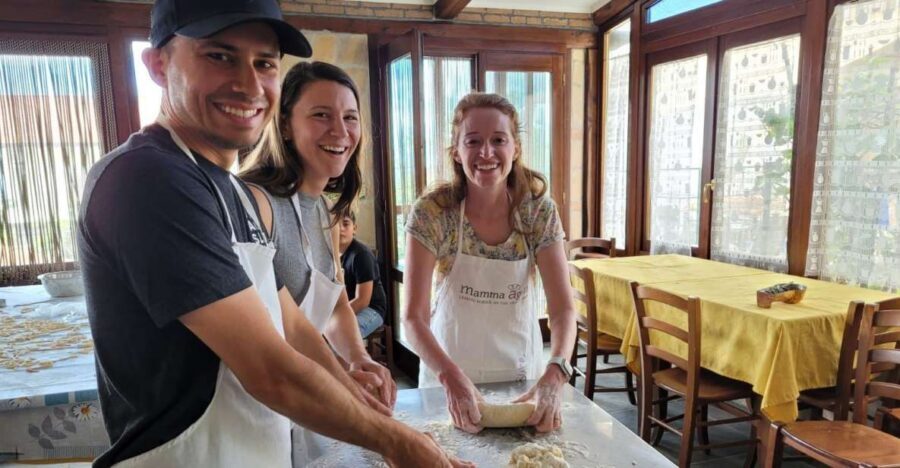
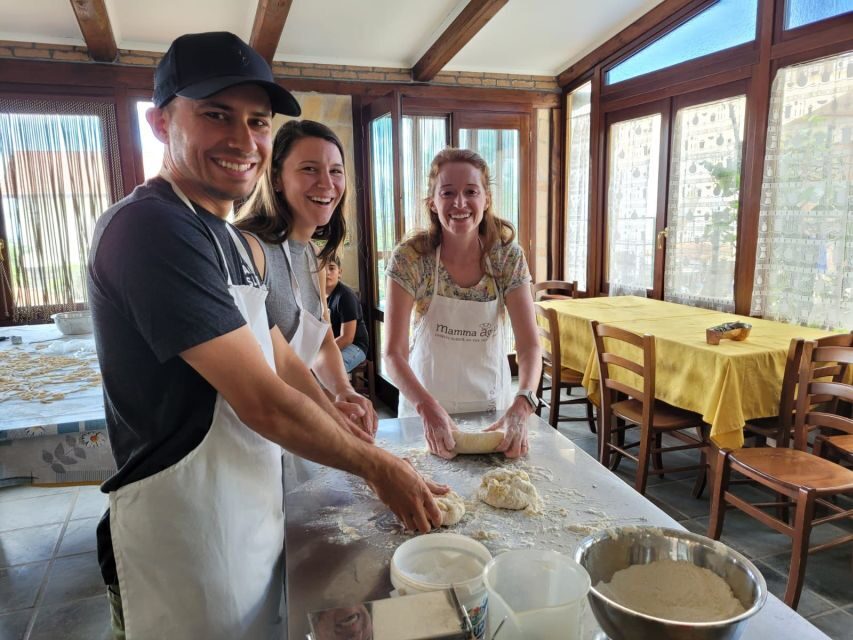
The group experience feels friendly and hands-on. One of the best parts I’d plan for is that you’re not just watching. You’re doing. Even if you’re not a confident cook, the steps are built for normal people who want to learn.
Tip: Wear shoes and clothes you don’t mind getting a little farm-dusty. You’ll be walking outdoor paths before you’re eating.
You can also read our reviews of more tours and experiences in Amalfi.


The 3-Hour Flow: Tiramisu, Pasta, Mozzarella
This class is built around a tight, satisfying rhythm. Total time is about 3 hours, and it moves from sweet to savory to the big finish: the mozzarella. That pacing is useful if you’re visiting the Amalfi area and don’t want an all-day commitment.
Here’s what you can expect in sequence:
First: Tiramisu and farm wine
You begin by preparing the tiramisù. The idea is smart: start with something classic, get everyone comfortable with the rhythm of cooking, and then add the farm’s wine tasting while things are underway. The wine tasting isn’t a random add-on—it fits the pace of the day. You’re tasting while you’re still working, so the meal feels like part of the experience instead of an afterthought.
Valentino and his family share the secrets of a perfect recipe as you go. Even if you’ve made tiramisù before, you’ll likely pick up small technique cues—how to get the texture right, how to handle layers, and how to balance the sweetness.
Next: Fresh pasta with garden products
After tiramisù starts, you shift to the pasta. You’ll prepare fresh pasta—specifically tagliatelle—using products from the garden. This is where the farm visit earns its keep. You’re not just learning “how to make pasta.” You’re learning how ingredients behave when they’re fresh-picked, and how that changes taste.
Then: Mozzarella from Bianca’s milk
Finally comes mozzarella. This isn’t just grabbing pre-made cheese. You’ll prepare it using the milk from the farm’s cow Bianca. Making mozzarella fresh ties the whole meal together: sweet dessert first, then pasta, then the dairy that feels like it belongs on the same farm table.
By the end, you taste everything you produced together—sweet, savory, and creamy all in one sitting.



The Tiramisù Start: How the Class Gets You Cooking Fast
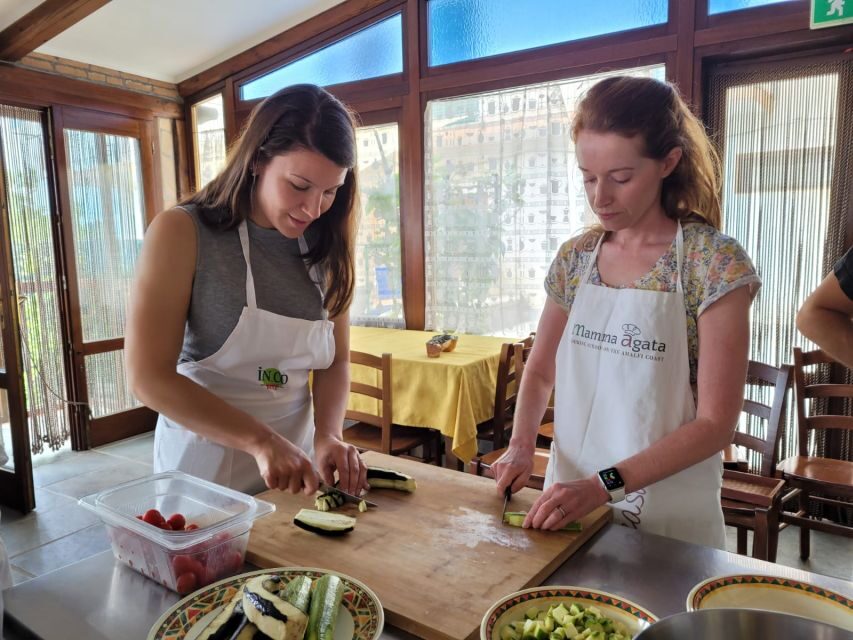
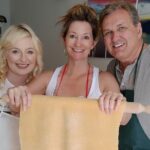
Starting with tiramisù is a clever decision for a cooking class. It’s familiar enough that you can jump in quickly, but detailed enough that you’ll learn real technique. You’ll spend time preparing the recipe, and as the process continues, you’ll also taste wine produced on the farm.
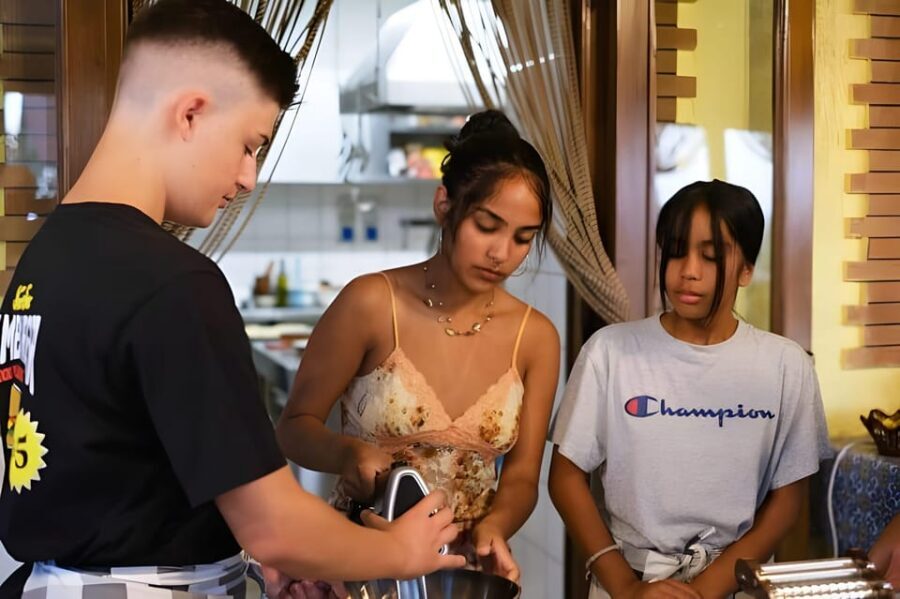
What I like about this setup is how it lowers the pressure. If you’re thinking, I don’t cook much, don’t worry. Tiramisù lets you contribute right away—mixing, assembling, and learning from the person teaching you. You’re also learning what matters visually: texture, layering, and timing.
And the wine tasting helps break the class up in a natural way. Instead of the strict “lesson then meal” format, it feels like an afternoon that turns into dinner.
Practical note: since you’ll be working outdoors earlier, you might want to bring a light layer for later if the weather changes. The class takes place rain or shine, so plan to stay comfortable.
Tagliatelle with Garden Ingredients: The Flavor Lesson
Once you move to the pasta stage, the experience shifts from dessert cooking to hands-on dough work. You’ll prepare tagliatelle using only products from the garden. That phrase sounds simple, but in practice it means your meal is directly connected to what’s growing and what’s ready.
I love when cooking teaches you something beyond recipes. Here, the garden-to-pasta approach quietly teaches you this: freshness isn’t just marketing. It changes smell and flavor. It also makes you think differently about balance. When the vegetables taste vivid, your seasoning needs might be different. The class is a chance to learn that by actually cooking, not just reading about it.
If you’re the type who likes to cook at home after a trip, this is the stage that gives you the most transferable skill. You’ll leave with a better sense of ingredient freshness and pasta basics, not just a one-time dish.
Who this part is for: if you enjoy learning by doing and you don’t mind getting a little flour on your hands, you’ll have a great time at the pasta station.
Mozzarella from Bianca: Where the Meal Feels Real
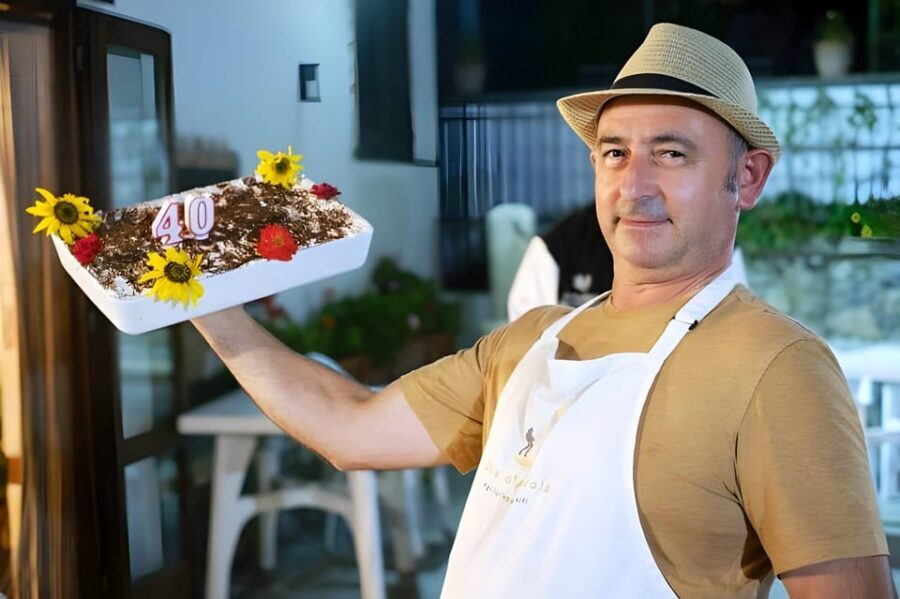
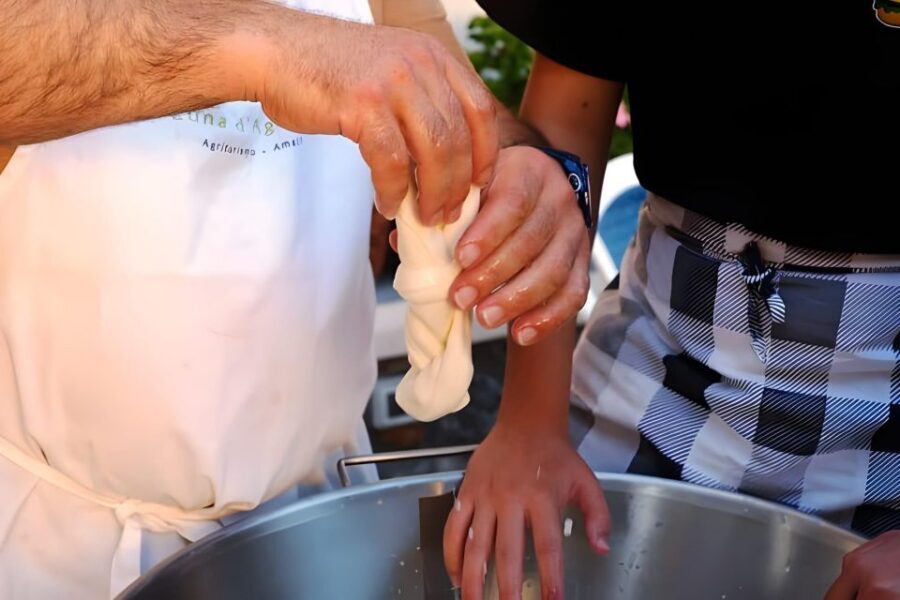
The mozzarella portion is the emotional payoff. Preparing mozzarella with the milk of the cow Bianca turns the cheese into a story you can taste. It’s not just an ingredient. It’s part of the farm’s daily life.
This step also helps explain why the farm visit is included. You’re not touring for photos and then leaving. The animals and the dairy setup become part of your meal. When you finally taste the mozzarella you helped make, it feels earned—because it is.
Even if mozzarella is intimidating, the class format makes it approachable. You’re guided while you prepare it, and the end result is something you can eat right away. That timing matters: fresh food is only impressive when you experience it at the peak moment.
Note to expectations: the farm is a real place, so the dairy and cooking setup may feel rustic. That’s part of the charm.
Animals, Gardens, and Maria’s Farm Influence
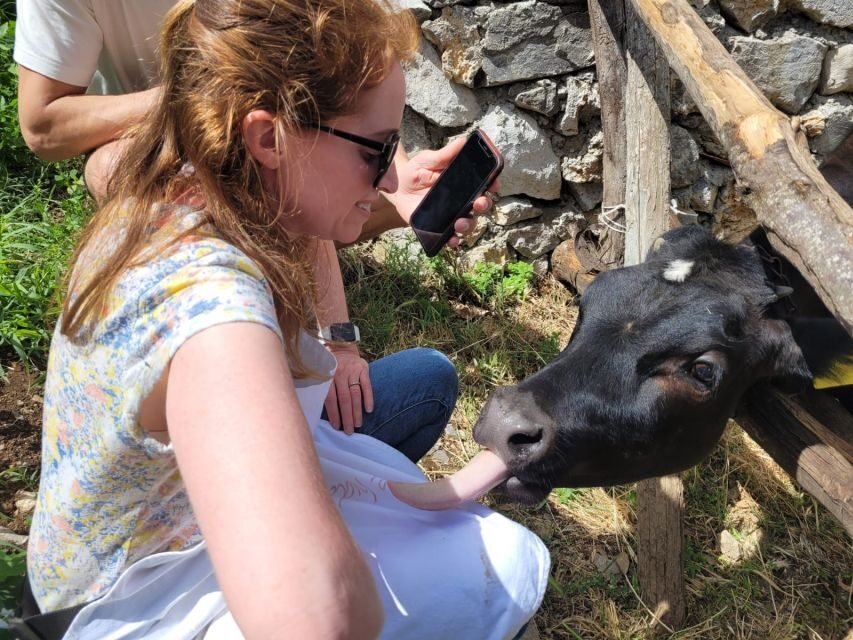
One of the highlights is meeting the animals. That’s more than a cuteness checkbox. It changes your understanding of what a farm is, and why the food tastes the way it does. You see that the meal is connected to living work—care, routine, and responsibility.
You also spend time exploring the centuries-old farm cared for by Valentino’s parents, especially his grandmother Maria. That detail gives the class weight. It’s not just a modern “experience product.” The food and the way people cook have roots in the farm’s rhythms.
In the reviews, Valentino stands out for being professional and friendly, even when schedules run tight. If you’re arriving with public transport timing (or simply relying on roads that can be slow), it’s reassuring to know the host can adapt, loop you into the work, and keep energy up with music and wine while things get moving.
Tip for the day: if you tend to run late, aim to arrive early anyway. But if you do get delayed, don’t stress. This kind of class works best when the host can flex and you keep participating.
Wine Tasting That Fits the Meal
Wine tasting is included, using wine produced on the farm. For me, that’s the best kind of tasting: it has a direct connection to the place where you’re eating.
You’ll taste while you’re cooking, which helps the day feel like one flow rather than separate blocks. Also, since you’re making dinner from scratch, you’ll have a stronger sense of how the wine supports food. You’re not tasting in a vacuum.
If you don’t drink much, you can still enjoy the social side of the tasting and the way it breaks up the class. Just make sure you pace yourself—especially if you’ll need to get back down the coast afterward.
Price and Value: Is $71 Worth It?
At $71 per person for about 3 hours, the key value is that the price covers more than instruction. You also get:
- a cooking class with a chef
- wine tasting
- lunch/dinner (you eat what you make)
- a visit to the farm and meeting the animals
That matters because you’re paying for an experience that ends in a real meal, not just a “look at food” workshop. You’re also not bringing or sourcing the key ingredients—the class uses garden products and cow milk, and you get to taste the results immediately.
Compared to paying for cooking instruction alone, this feels like a fuller package: you learn, you eat, and you see the farm in action. The only extra cost to plan for is transport. Hotel pickup and drop-off isn’t included, but it can be arranged at a set price.
So, for your money, the question isn’t just whether you like cooking. It’s whether you want a farm setting where food has a physical origin—and you’re ready to spend a short afternoon making dinner from scratch.
Practical Tips Before You Go
A few smart prep steps will make this class smoother:
- Bring comfortable clothes. You’ll be outdoors on a farm.
- Expect it to run rain or shine. Pack accordingly and dress for damp or changeable weather.
- Plan for the day to be partially outdoors. Even with good shoes, you’ll be on uneven farm ground.
- If you need transport, ask ahead about pickup options since hotel transfer isn’t included by default.
Also, if you’re choosing what to wear, think about movement. You’ll likely knead, mix, and assemble. Clothes that restrict your hands or slip easily are annoying during a hands-on class.
Who Should Book This Amalfi Cooking Class
This class is a great fit if you want:
- an authentic Amalfi countryside experience
- a hands-on cooking lesson you can actually use later
- a meal that includes what you make, plus farm wine
- farm life details beyond generic sightseeing—animals, garden walking, and mozzarella from Bianca
It might not be your best choice if you hate outdoor walking or you want a purely indoor, highly formal cooking environment. The farm setting is part of the deal, and the class runs rain or shine.
If you’re traveling as a couple or small group, you’ll still get the family-run vibe, and you can share the meal-making without feeling like you’re just lining up for a dish.
Should You Book Amalfi: Make tagliatelle, mozzarella and tiramisù?
If you’re on the Amalfi side and you want something that feels grounded in place, I’d book it. The combination of garden-to-pasta, Bianca’s-milk mozzarella, and a tiramisu start with farm wine turns the cooking into a story you can eat.
Do it if you’re curious, want to learn without intimidation, and like the idea of spending a few hours on a working farm instead of only hopping between views. It’s also a good match for people who enjoy food traditions and want technique, not just entertainment.
Skip it only if you strongly prefer indoor-only activities or you’re traveling with mobility constraints that make farm walking difficult.
If you want a memorable Amalfi meal with real farm context, this is one of the simplest ways to get it.
FAQ
What is the duration of the cooking class?
The experience lasts 3 hours.
What will I be making during the class?
You will make tiramisù, fresh tagliatelle (fresh pasta), and mozzarella.
Is wine tasting included?
Yes, wine tasting is included.
Does the price include lunch or dinner?
Yes. Lunch/dinner is included, along with what you produce during the class.
Do I get to visit the farm and meet the animals?
Yes. The experience includes a visit to the farm and meeting the animals.
Is hotel pickup and drop-off included?
No. Hotel pickup and drop-off is not included, but it can be arranged at a set price.
Does the class run if it rains?
Yes. The tour takes place rain or shine.