REVIEW · AMALFI
Cooking class: “Traditional dishes of the Mediterranean Diet”
Book on Viator →Operated by Unique Experience Tour Operator · Bookable on Viator
Handmade pasta in a real family farm.
What makes this class special is the hands-on pace and the fact that you start outdoors, collecting seasonal produce and eggs directly in the garden with Aniello. You’ll also make your own pasta dough and sauce, then sit down to eat what you helped create. One possible drawback: it’s a full 4-hour, active lunch experience, so it’s not the best fit if you want something light and low-effort.
The setting is the payoff too. Agriturismo Il Tintore sits with a view over the Tramonti valley, so cooking doesn’t feel like a factory lesson. You’ll be guided by Chef Raffaella, mixing traditional methods with modern diet ideas of the Mediterranean way: vegetables, herbs, olive-oil style simplicity, and good ingredients.
In This Review
- Key points to know before you cook in Amalfi
- Agriturismo Il Tintore and the Tramonti Valley View
- Check-In at 11:00, With a Welcome Drink and Farm Baskets
- The Garden Walk With Aniello: Collecting Your Mediterranean Ingredients
- Handmade Pasta With Chef Raffaella: Gnocchi or Tagliatelle
- Turning Your Harvest Into Sauce
- Your Second Course and the Tutti a Tavola Moment
- Wine, Pace, and How Much You’ll Do
- Price and Value: What $243.10 Buys You in Amalfi
- Who Should Book This Mediterranean Diet Cooking Class
- Getting There and What to Bring
- Should You Book This Class at Il Tintore?
- FAQ
- Where does the cooking class start?
- What time does it begin?
- How long is the experience?
- What do we do during the class?
- Who teaches the cooking?
- Is the tour private?
- Is wine included?
- Can I cancel for a refund?
Key points to know before you cook in Amalfi
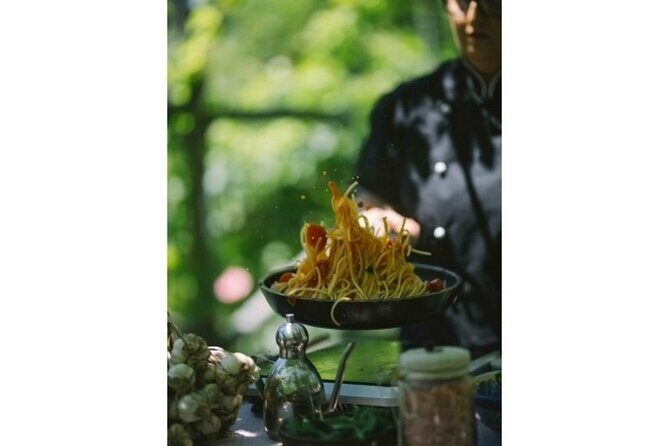
- Forage first in the garden with baskets, then carry your harvest to the kitchen
- Chef Raffaella teaches the details of handmade pasta dough, not just a quick demo
- You’ll cook with what you picked: the same seasonal products power both courses
- A shared lunch moment happens at the end, when you sit down and eat together, Tutti a Tavola
- Wine is part of the experience, paired to the meal and setting
- Private group class means your group stays together and the attention can feel more personal
Agriturismo Il Tintore and the Tramonti Valley View
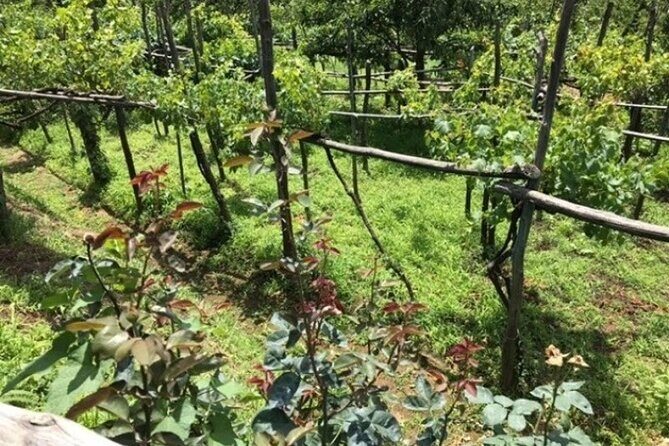
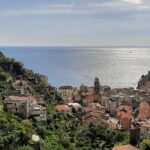
This class starts at Agriturismo Il Tintore, a farm stay in the area around Amalfi that overlooks the Tramonti valley. The view matters more than you might think. When you’re learning food, especially pasta, your brain stays calmer and more focused if the setting feels relaxed rather than cramped.
Even before you cook, you get a sense that this is family-farm living, not just a performance kitchen. The staff greet you, and then the flow naturally shifts to the farm: baskets come out, you head to the garden, and the ingredients feel like they have a story. That’s where the Mediterranean Diet idea clicks. It’s not about following a strict rulebook. It’s about using seasonal produce and letting good ingredients do the work.
Also, because the class happens at a working agriturismo, there’s a built-in rhythm to the day. You’re not jumping between far-flung stops. You’re working in one place that connects harvest → cooking → eating.
You can also read our reviews of more cooking classes in Amalfi

Check-In at 11:00, With a Welcome Drink and Farm Baskets
The experience starts back at B&B Il Tintore at Via Vitagliano, 25, 84010 Capitignano SA, Italy. The official start time is listed as 11:00 am, and one detail from the experience notes is that people may arrive a bit early (around 10:30 am) to settle in before the group gets moving.
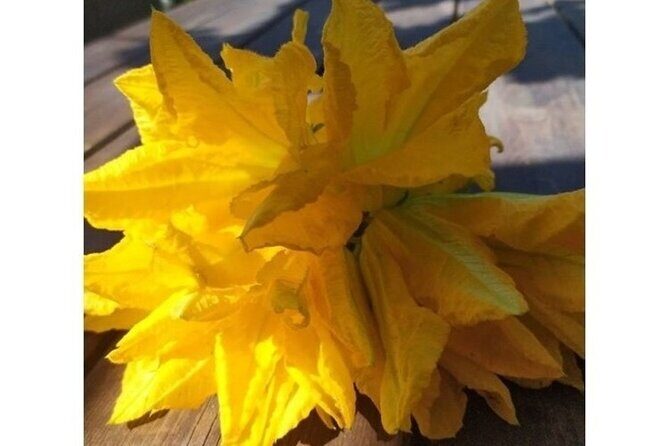
Once you arrive, you’ll get a small welcome drink. Then you’re handed the baskets you’ll use to collect seasonal products in the garden. This part is a smart design choice. Instead of showing you a plate and telling you what it should taste like, they get you involved at the ingredient level right away.
Why that matters for your experience: when you pick what goes into the meal, you cook with more confidence. You also pay attention to timing. If you’re holding herbs or vegetables you’ve just collected, you tend to treat them gently and use them thoughtfully, which makes the final food taste more alive.
This is also described as a private tour/activity, meaning only your group participates. That usually translates to fewer awkward waits and more direct help when you’re shaping dough or mixing sauce.
The Garden Walk With Aniello: Collecting Your Mediterranean Ingredients
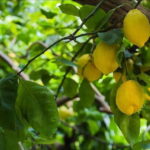
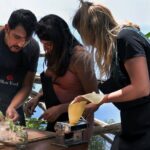
A big part of why people rate this class so highly is the garden segment. In the company of Aniello, you gather what you need for your meal. You’ll collect seasonal products from the farm, and that includes items like vegetables and eggs, which come up specifically in the feedback.
Think of this as more than a photo moment. You’re learning what “seasonal” looks like in real life. The Mediterranean Diet is often discussed in broad terms. Here, it turns into something practical: you select the ingredients for the meal you’re about to cook.
A quick reality check: farm gardens have rules. You might end up doing some light walking on uneven ground. If you have mobility issues, you’ll want to consider the terrain before you go. On the bright side, this class is built around your group doing manageable tasks—not climbing mountains or doing anything that feels unsafe.
The best approach is to show up with good shoes and a curious mindset. Ask Aniello what you’re collecting and how they use it at home in Tramonti. Those small answers tend to make your sauce and pasta feel more personal.
Handmade Pasta With Chef Raffaella: Gnocchi or Tagliatelle
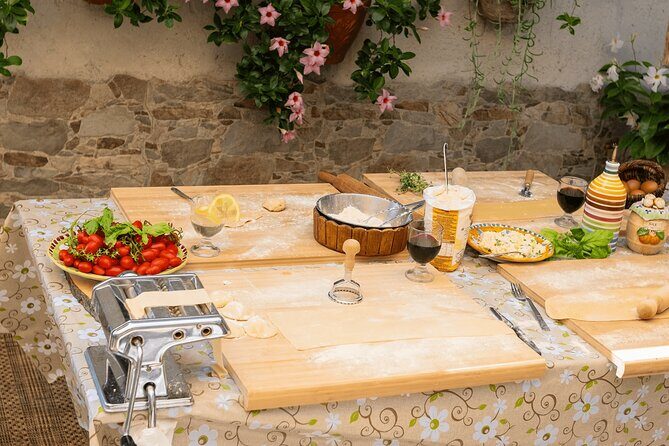
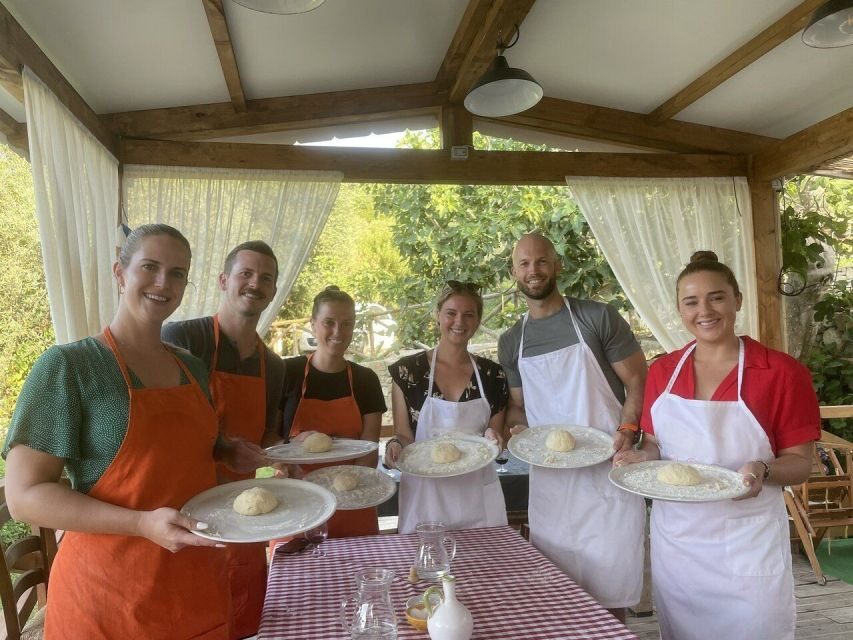
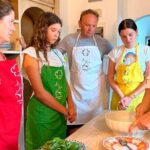
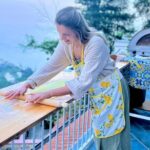
Then comes the work that turns a lunch into a skill you can actually use later. Chef Raffaella explains how to make pasta by hand. The experience is set up around creating gnocchi or tagliatelle, plus the details of the quantity of ingredients and then the dough process.
This is one of the most valuable parts of the class because it’s not vague. They talk about ingredient amounts and the dough itself, which is where many casual cooking classes stay blurry. If you’ve ever tried to make pasta at home and wondered why yours turned out different, you’ll appreciate having a structured walkthrough here.
You’ll likely move through dough steps at a pace that keeps you from feeling rushed. The goal seems to be active participation, not watching from the sidelines. And if you’re the type who likes understanding the why behind the technique, pay attention to the dough instructions. Even if you don’t nail the first batch, you’ll leave with clearer instincts about texture and handling.
Possible drawback to keep in mind: you’ll be using your hands for a few hours. If you’re not comfortable with kitchen work, or if you hate mess, this might feel more hands-on than you expected. That said, the class style is friendly and involved, and the setting makes the work feel normal.
Turning Your Harvest Into Sauce
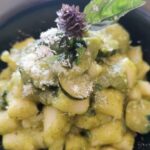
After the pasta foundation, you shift into sauce. Here’s where the whole “Mediterranean Diet” concept becomes concrete. You’ll make the sauce using what you collected in the garden. The class format keeps it consistent: your ingredients don’t become a decorative backdrop. They drive the flavor.
What I like about this structure is the cause-and-effect. You pick the produce, then you cook it into the meal. That helps you understand how certain flavors work together—vegetables and herbs, plus the approach to keep things simple and ingredient-forward.
Also, cooking the sauce before the final sit-down meal gives you a chance to smell it develop. That matters because it trains your palate for home cooking. Even without tasting yet, you can often tell when something needs adjustment. If you’re new to cooking, this is the kind of feedback loop that makes you feel capable rather than intimidated.
Keep in mind: garden ingredients can vary based on what’s in season. That’s not a problem; it’s part of the point. You’re learning a method that adapts, instead of memorizing one fixed recipe.
You can also read our reviews of more tours and experiences in Amalfi
Your Second Course and the Tutti a Tavola Moment
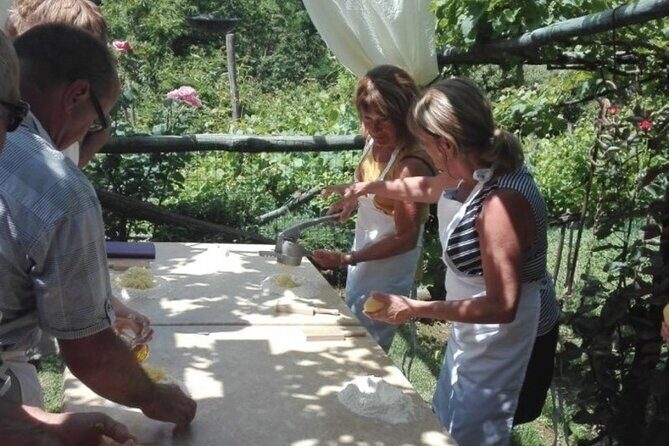
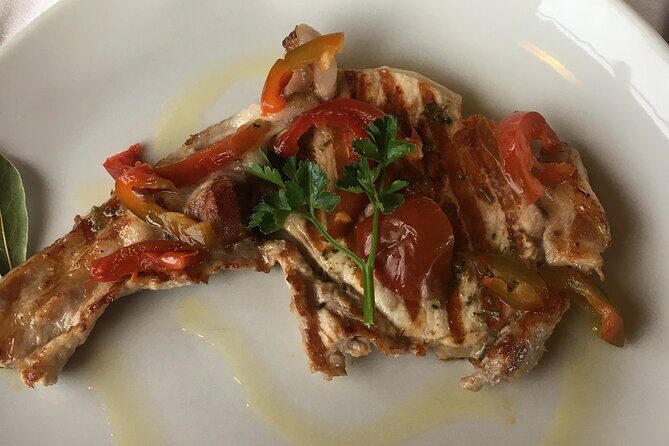
The experience doesn’t stop at pasta. With the same products you used for the sauce, you’ll prepare a second course—the class notes call out that you prepare a second dish and then it’s time for Tutti a Tavola, which is the shared table moment.
This is one of those quiet “value builders” that often gets overlooked. A lot of cooking classes give you one dish and then call it a day. Here, the structure sets up a full lunch with multiple steps and multiple chances to taste what you made.
And because both courses rely on the same seasonal harvest, it feels cohesive. You’re not spending the afternoon cooking random ingredients. You’re building a meal that makes sense in a farm home setting.
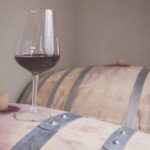
When you sit down at the end, you’ll taste what you made along with superb wine. The wine pairing is part of the atmosphere and the pacing. It turns the class into a meal you’d actually want to repeat, not just an activity you check off.
Wine, Pace, and How Much You’ll Do
The class is designed to keep you involved. You’re dedicated as an active participant in the realization of the courses you’ll taste. Chef Raffaella’s role is key here: she guides you through pasta and dough steps, then supports the sauce and cooking flow.
The pace is typically tied to a four-hour block, which is long enough to feel like you accomplished something but short enough that you’re not stuck doing one task endlessly. You’ll spend meaningful time mixing, shaping, and assembling, then tasting and relaxing at the end.
About the wine: it’s specifically described as accompanying the meal. If you don’t drink alcohol, you can still enjoy the cooking portion, but you’ll want to keep your own comfort and timing in mind for the lunch itself. If you prefer an evening class or a purely non-alcohol experience, this one may be less aligned.
One more practical note: this is a farm environment, so expect kitchen sounds, a little heat, and the fact that you’re working with real ingredients. Wear sleeves you don’t mind getting slightly messy.
Price and Value: What $243.10 Buys You in Amalfi
At $243.10 per person for about 4 hours, the price isn’t cheap on paper. But it’s easier to judge when you look at what’s included and why this setup costs what it costs.
You’re paying for:
- Instruction centered on handmade pasta dough (gnocchi or tagliatelle) with ingredient details
- A garden collection experience with baskets and seasonal produce gathered on site
- A meal structure that includes pasta plus a second course, made from the same harvest
- Sitting down to eat what you prepared, with wine included
- A private format where only your group participates
In places near tourist hubs, cooking classes can end up feeling like a standard show. This one feels more like a working-lunch experience because the ingredients start in the garden and your tasks feed directly into the final plates.
Is it a bargain? Not really. But for many people, it’s the kind of meal memory that lasts—because you learned a technique (pasta dough), you understood ingredient choice (seasonal picking), and you ate the result in a real farm setting with a view.
If you’re trying to balance a tight Amalfi budget, you might compare it to a long lunch at a restaurant. A restaurant gives you food; this gives you food plus skills plus atmosphere.
Who Should Book This Mediterranean Diet Cooking Class
This class is a great match if you want an authentic farm-to-table experience without the tourist fluff. I’d put it high on the list for:
- People who love pasta and want to learn more than just the basics
- Food-minded travelers who enjoy cooking tasks (and don’t mind getting hands-on)
- Couples or small groups who like the idea of a private, guided experience
- Visitors who want their Amalfi trip to include something grounded in local food culture, especially around Tramonti
Who might hesitate: if you hate kitchen work, want lots of sightseeing time during the day, or prefer a purely informational tour rather than active cooking, you may find the hands-on format tiring.
That said, even if you’re not a strong cook, this kind of class can still work because it’s structured: you get explanations, ingredient amounts, and step-by-step guidance from Chef Raffaella.
Getting There and What to Bring
The meeting point is clearly stated: B&B Il Tintore, Via Vitagliano, 25, 84010 Capitignano SA, Italy. It’s also described as near public transportation, so you’re not completely stuck with a car.
You’ll receive a mobile ticket, which is convenient for day-of check-in. Service animals are allowed, which is good to know for travelers who need them.
For what to wear: plan for a farm garden walk and time in the kitchen. Wear comfortable shoes with grip. If your hair is long, tie it back so it doesn’t end up in the way during dough work. Bring a small sense of patience, too. Handmade pasta can be humbling at first, and that’s normal.
If you’re sensitive to smell or mess, remember you’ll be working with fresh produce and dough. That’s part of the fun, but it helps to dress accordingly.
Should You Book This Class at Il Tintore?
If you want a lunch that feels like it belongs to the region—farm ingredients, handmade pasta, and a meal at the table—you should book this. The biggest strength is the full chain: you collect seasonal products in the garden with Aniello, then Chef Raffaella guides you through pasta dough and sauce, and you finish with a second course and wine at Tutti a Tavola.
Book it if:
- You like hands-on cooking and want a real technique, not just tasting
- You’re excited by the idea of starting with what’s in season
- You want a private, guided class in a working agriturismo setting
Skip it if:
- You want lots of free time for sightseeing during the day
- You’d rather avoid any active kitchen tasks or food-mess situations
For most people aiming for an authentic Amalfi-area experience that’s more than just views and photos, this is one of the more satisfying ways to spend a half day.
FAQ
Where does the cooking class start?
The class starts at B&B Il Tintore, Via Vitagliano, 25, 84010 Capitignano SA, Italy.
What time does it begin?
The start time is listed as 11:00 am. One note also suggests people may arrive around 10:30 am to get settled.
How long is the experience?
It lasts about 4 hours.
What do we do during the class?
You collect seasonal products in the garden with baskets, then you cook handmade pasta (gnocchi or tagliatelle), make sauce using what you collected, prepare a second course, and then sit down to eat the meal together.
Who teaches the cooking?
Aniello is involved with the garden collection, and Chef Raffaella guides the cooking and pasta/dough instruction.
Is the tour private?
Yes. It’s described as a private tour/activity, so only your group participates.
Is wine included?
Yes. The meal is accompanied by superb wine.
Can I cancel for a refund?
Free cancellation is available. You can cancel up to 24 hours in advance for a full refund, based on local time.