REVIEW · AMALFI
Amalfi Organic Lemon Tour & Tasting in the Historical Garden
Book on GetYourGuide →Operated by Amalfi Historical Garden · Bookable on GetYourGuide
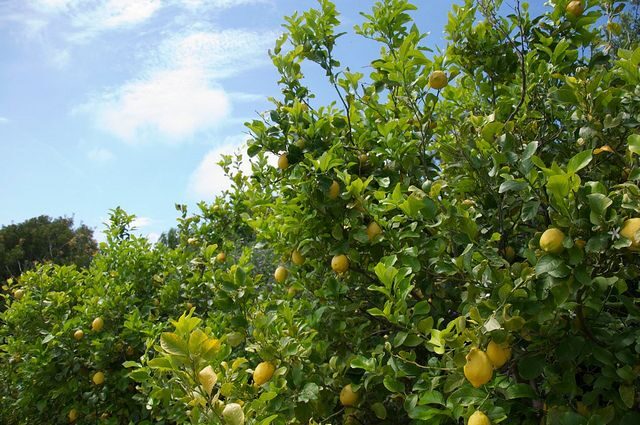
Lemons grow like nowhere else on the Amalfi Coast. I love how the Amalfi Historical Garden shows old-style terrace farming as real living agriculture, not a staged attraction. And I really liked the organic limoncello and lemon cake tasting that ends the walk on a high note.
One thing to plan for: there are lots of stairs and a steep incline to reach the farm area, so it’s not an easy stroll.
In This Review
- Key highlights you should know
- Entering the Historical Garden: terrace life, no shortcuts
- Terrace farming on the Amalfi Coast, explained with real details
- Learning the why: historic documents and an attitude of preservation
- Sfusato lemons and other varieties: what changes in your glass
- Walking through the groves, then pausing for the Amalfi view
- The tastings: lemonade, lemon cake, and limoncello that tastes like the farm
- Group size and guide style: small and personal usually wins
- Price and value: does $59 make sense?
- Stairs, timing, and what to wear
- Should you book the Amalfi Organic Lemon Tour & Tasting?
- FAQ
- How long is the Amalfi Organic Lemon Tour & Tasting?
- How much does the tour cost?
- What tastings are included?
- What happens during the guided portion?
- Is the tour in English?
- Where do I meet the group?
- Are there different starting points?
- Is this tour suitable for everyone?
- When are Amalfi lemons yellow?
- What if I need to cancel?
Key highlights you should know
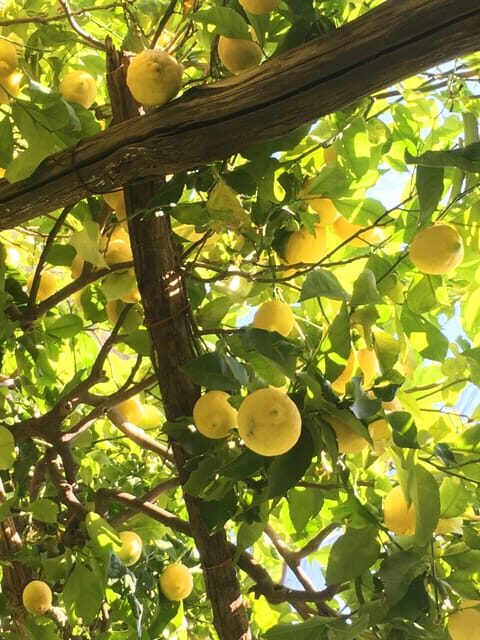
- Terraced farming with engineering details: chestnut pergolas, ancient cisterns, and water channels that fed the groves for centuries
- Historic documents + farm story: you’ll learn why preserving this land matters, not just how lemons taste
- Organic citrus, explained simply: what makes organic growing different, in plain language
- Sfusato lemons and other varieties: you’ll hear about different lemon types grown here
- Tasting is the payoff: lemonade, lemon cake, and limoncello made from organic lemons
- View break over Amalfi: a short pause with sea-and-city scenery
Entering the Historical Garden: terrace life, no shortcuts
This tour happens in the Amalfi Historical Garden, a real lemon-growing landscape shaped by centuries of hand work. You’re not visiting tidy lawns behind fences. Instead, you walk through terraces that feel steep, close, and carefully arranged—more like a working hillside system than a garden you’d see in a flat city park.
One of the things I appreciated is that the approach feels nature-first. The gardens avoid concrete roads or platforms. That matters because it keeps the space from looking “fixed” and touristy, and it helps you feel the terrain the way the farmers had to.
The organizers also set the tone upfront: you’re expected to be a nature lover. In their language, they talk about being a naturophile—someone who comes in with respect. That attitude fits the way lemons are handled here: branches can be twisted, and thorns aren’t just decorative. If you approach gently and correctly, you’ll understand why picking the fruit is an art, not a grab-and-go task.
You can also read our reviews of more food & drink experiences in Amalfi



Terrace farming on the Amalfi Coast, explained with real details

A lot of Amalfi sightseeing is about views. This experience makes the hills themselves the main character.
As you move through the groves, you’ll hear how these terrace systems were built and maintained: ancient stairways built by hand, macerine stone walls that function as containers of earth and rocks from terrace to terrace, and tight paths that follow the land’s logic. It’s practical history you can see. No slide show needed.
You’ll also get a look at how water access worked. The gardens include ancient cisterns and water channels fed from high springs. Even if you’re not a plant nerd, you’ll feel how much planning went into keeping lemon trees alive on a cliffside landscape.
There’s also an element that surprised me: the garden is described as very hard to preserve, almost like a vertical farming environment. Sun rays filter through branches, so the light feels different depending on where you stand. That filtered light turns into part of the experience. It’s not just pretty—it’s a reminder that growing here is always a negotiation with sun, wind, and slope.
Learning the why: historic documents and an attitude of preservation
The tour doesn’t just tell you to like lemons. It tries to explain the mindset behind keeping a place like this alive.
You’ll get historical context through consultation of historical documents—information that frames the farm as part of an older peasant civilization where balance mattered. The idea is that biodiversity and reuse weren’t optional extras. They were how life stayed workable, season after season, without wiping out the land.
That theme shows up in the way the guide talks about organic farming. You’ll hear the difference between organic and conventional growing in a way that connects to values like respect, gratitude, wonder, and simple living. I liked that it’s not preachy. It lands as common sense: good agriculture depends on careful attention, and attention takes time.
In some tours, the family guides also bring in topics like bees and how they fit into the agricultural picture. Even a small detail like that helps you understand lemons as a system, not a product.
And yes, you may also meet the farm’s resident cat (Silvestro has been mentioned in past tours). It’s a small moment, but it makes the whole thing feel more like a home and less like a performance.
Sfusato lemons and other varieties: what changes in your glass

Lemons in Amalfi aren’t all the same. During the walk, you’ll learn about the well-known Sfusato lemon, plus other varieties grown in this garden. The point isn’t just name recognition. It’s about why lemon flavor can be different depending on the tree, the season, and the growing approach.
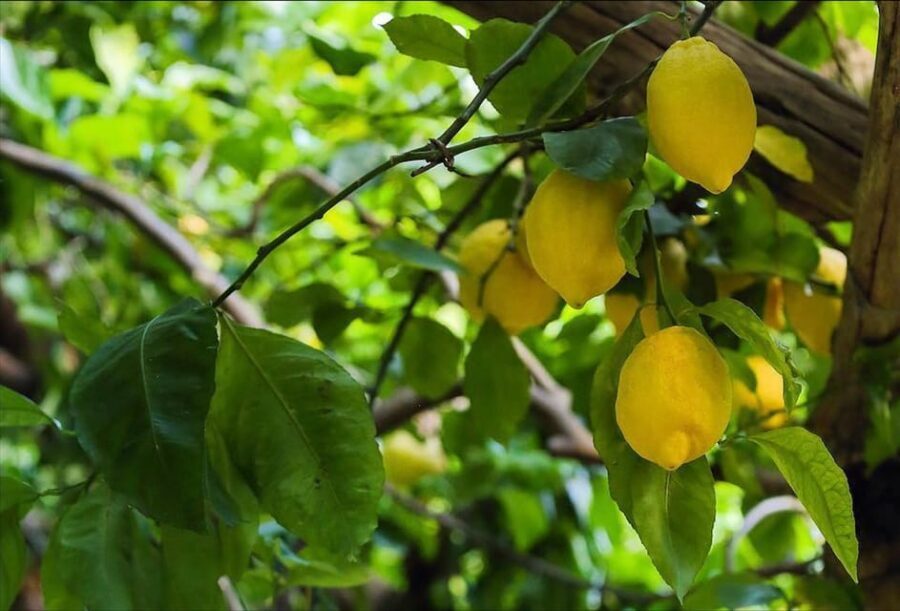
A practical detail to keep in mind: lemons are yellow only between February and July. If you’re planning a trip outside those months, you might see different stages of fruit development than you’re used to from marketing photos. It doesn’t mean the farm is shut down—it just means the look and timing of the crop follows nature.
You’ll also learn about the importance of handling the trees correctly. Lemons here aren’t “easy to pick” in the careless sense. Thorns are part of the reality of the groves. The guides emphasize that the way you approach the tree changes the experience. It’s a hands-on lesson in patience, and it makes the later tasting feel earned.
Walking through the groves, then pausing for the Amalfi view

The tour is timed to keep you moving but not rushed. With a duration of about 1.5 to 2.5 hours, you get enough time to walk, stop for explanation, and enjoy a scenic break without feeling like you’re trapped in a long lecture.
One of the best mid-tour moments is the relaxation break with a view overlooking Amalfi and the blue sea. It’s a nice reset. After walking among terraces, stairways, and stone walls, the wide sightline helps your brain map what you’ve just learned. Terrace farming makes more sense when you can see the coast layout behind it.
This is also where the scent factor comes in. The lemon groves have a strong, recognizable aroma. You don’t just learn about citrus—you feel it in the air. That smell can make the tour memorable even if your group isn’t obsessed with agriculture.





The tastings: lemonade, lemon cake, and limoncello that tastes like the farm
Let’s talk food, because this is where the tour pays off.
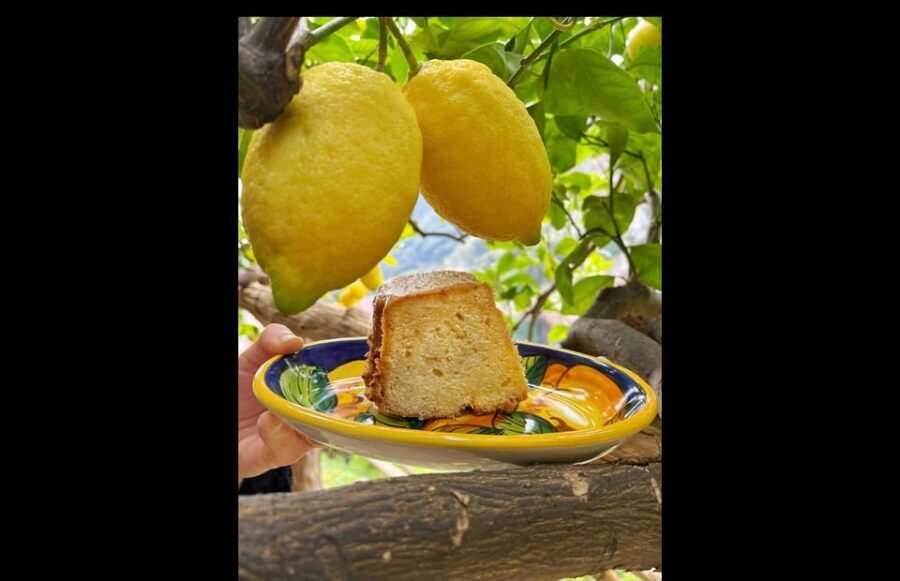
You’ll taste organic lemonade, lemon cake, and limoncello made from organic lemons. The drinks and dessert aren’t generic. The whole point is that you’re tasting what the garden produces.
What I like about this tasting is the order and variety. Lemonade gives you the clean, fresh baseline—citrus brightness without alcohol. Lemon cake adds a softer sweetness and texture. Then limoncello brings the concentrated lemon profile, plus the warmth of alcohol. If you’re the type who thinks limoncello is mostly sweet, the organic version here can surprise you with more natural lemon character.
If you’re unsure whether you’ll like limoncello, I’d still try it. Organic limoncello has been described as far better than what people expected, and the tasting is included—so you’re not gambling extra money just to decide.
You also get the chance to continue the lemon experience after the walk. The gardens offer exclusive special prices on local typical products at the Historical Garden. That can be a great option if you want to bring home something small and citrus-focused without turning the day into a shopping spree.
Group size and guide style: small and personal usually wins
This is a small-group shared tour with a live guide in English. In practice, that smaller size changes the vibe. You get more time for questions, and the explanation feels connected to the space you’re standing in.
Guides you may encounter include family members such as Giovanna and Joanna, and they’re described as warm, patient, and very focused on both farm history and practical citrus-growing details. I also like that check-in communication has been noted—guides can text with updates, which helps when you’re dealing with Amalfi’s stairs and winding routes.
Also, because it’s family-run, you’re not just hearing facts. You’re hearing how a living farm operates: the seasonal reality, the challenges of preserving terrace gardens, and why the work matters beyond the harvest.
Price and value: does $59 make sense?
At $59 per person for 1.5 to 2.5 hours, the price looks fair when you think about what’s included. You’re paying for a guided walk through a working organic farm environment, plus tastings of lemonade, lemon cake, and limoncello. Those aren’t tiny samples in the “one sip and done” category; they’re the main event at the end.
Where the value really lands is in the setting. You’re not buying a generic Amalfi postcard with a souvenir stop. You’re spending your time in a preserved terrace system—cisterns, macerine walls, chestnut pergolas, and stairways that are part of the farming infrastructure. That’s experience value: it’s visual, sensory, and educational.
It’s also a good buy compared to big-tour pricing because it’s small group and tied to the farm itself. If you like food experiences that actually connect to where ingredients come from, this is the kind of tour that can feel worth paying for.
Stairs, timing, and what to wear

Here’s the practical reality check. This tour is not suitable for people with mobility impairments, and it’s also not listed for those with heart problems or respiratory issues. The reason is simple: the farm sits on a steep hillside and involves lots of stairs.
Even if you’re generally fit, wear shoes with grip. Past tours have recommended comfortable clothing and good footwear. Don’t go in sandals. Amalfi is already uneven underfoot, and this garden is even more so because the paths follow the terraces instead of using flat walkways.
Timing also matters because lemons are yellow only February through July. If you’re traveling in that window, you’ll likely get the visual lemon “wow” you’re expecting. If you’re outside it, you can still enjoy the tour, but the fruit look may be different than summer marketing.
Should you book the Amalfi Organic Lemon Tour & Tasting?
Book it if you want something different from the usual Amalfi routine. This tour is a strong choice for you if you like hands-on food experiences, enjoy learning how farms work, and want a calm break with sea views that doesn’t feel crowded.
Skip it (or plan carefully) if stairs are a problem for you. This is not the kind of walking tour where you can easily pause or opt out mid-route. The environment is physical by design.
Also, book it if limoncello is on your list. Even if you’re picky, the included lemonade and lemon cake make it a low-risk way to decide what you truly like.
If you want an authentic, family-run organic lemon experience in a terrace garden with historic farming logic, this tour is one of the better bets in Amalfi.
FAQ
How long is the Amalfi Organic Lemon Tour & Tasting?
The tour lasts about 1.5 to 2.5 hours.
How much does the tour cost?
It costs $59 per person.
What tastings are included?
You’ll taste organic lemonade, Limoncello, and lemon cake.
What happens during the guided portion?
You’ll walk through the lemon groves, learn historical information, and consult historical documents as part of the tour.
Is the tour in English?
Yes. The guide speaks English.
Where do I meet the group?
You meet at the gate of the Lemon Farm in the Amalfi center. You’ll receive details after booking confirmation.
Are there different starting points?
Yes, there are two starting location options listed as Amalfi Historical Garden – Lemon Farm.
Is this tour suitable for everyone?
It’s not suitable for people with mobility impairments, people with heart problems, or people with respiratory issues.
When are Amalfi lemons yellow?
Lemons are yellow only between February and July.
What if I need to cancel?
Free cancellation is available up to 24 hours in advance for a full refund.