REVIEW · AMALFI
Amalfi: Vertical Lemon Farm Tour, Tastings, and Rural Museum
Book on GetYourGuide →Operated by AMALFI LEMON EXPERIENCE · Bookable on GetYourGuide
Lemons grow sideways here. In 1.5 hours, you’ll walk through Amalfi’s vertical lemon grove, meet the family behind it, and finish with tastings plus a rural museum stop.
What I like most is the human scale of it: you’re hosted by a family that has been farming lemons in Amalfi for six generations, and the guides (like Elvira or Georgia) explain the work with real detail, not sales talk. I also love that the tasting ties directly to the land—farm-fresh organic lemons and products like lemon cake, lemonade, and limoncello.
One thing to plan for: this is a walking tour with steep stairs, and you’ll need solid shoes. If your footwear is slippery or unsuitable, participation may be refused, and mobility scooters aren’t allowed.
In This Review
- Key highlights to look for
- Why Amalfi’s Vertical Lemon Groves Feel Different
- Getting Started at Via delle Cartiere (and avoiding the wrong turn)
- The 90-Minute Walk Through Terraces and Sfusato Amalfitano Lemons
- Meet the Family Behind the Grove (and hear the real farming story)
- Tastings That Actually Match What You Just Saw
- Museum of Rural Culture: Tools, Arts, and the Paper Trail of Lemon Farming
- Limoncello Lab Visit: From Fruit to Signature Spirit
- What Not to Bring (and what shoes to pack) for a Smooth Visit
- Price and Value for $41 in Amalfi
- Who This Lemon Tour Suits Best (and who should skip it)
- Should You Book the Amalfi Vertical Lemon Farm Tour?
- FAQ
- How long is the Amalfi lemon farm tour?
- What’s included in the tasting?
- Where do I meet the guide?
- Is the tour guide in English?
- Is this tour suitable for wheelchair users or people needing mobility scooters?
- What should I wear or bring for the tour?
Key highlights to look for
- Vertical terraces carved into the Amalfi hills—great photo angles, too
- Six-generation family farming with clear talk about how lemon agriculture changes over time
- Organic farm tasting (lemon cake, lemonade, limoncello, and more) connected to the harvest
- Limoncello laboratory visit where the fruit gets turned into a signature spirit
- Museum of rural culture arts and crafts, built around the tools and documents of lemon work
- A guide-led pace that includes time for questions and photos during stops
Why Amalfi’s Vertical Lemon Groves Feel Different

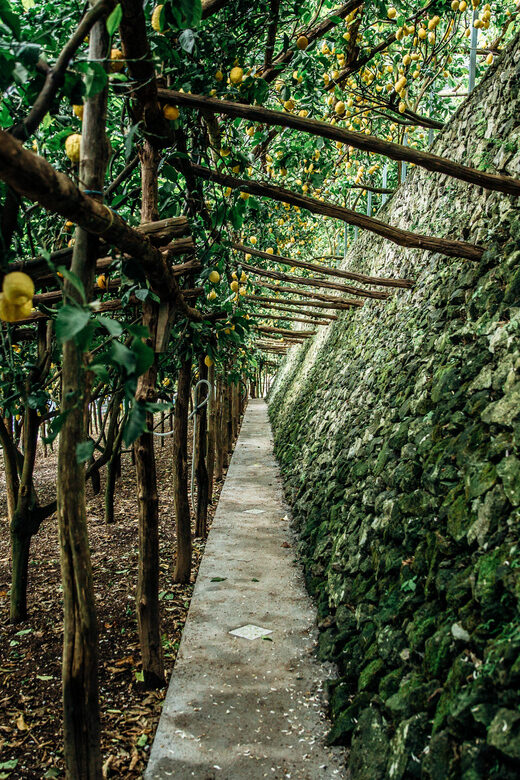
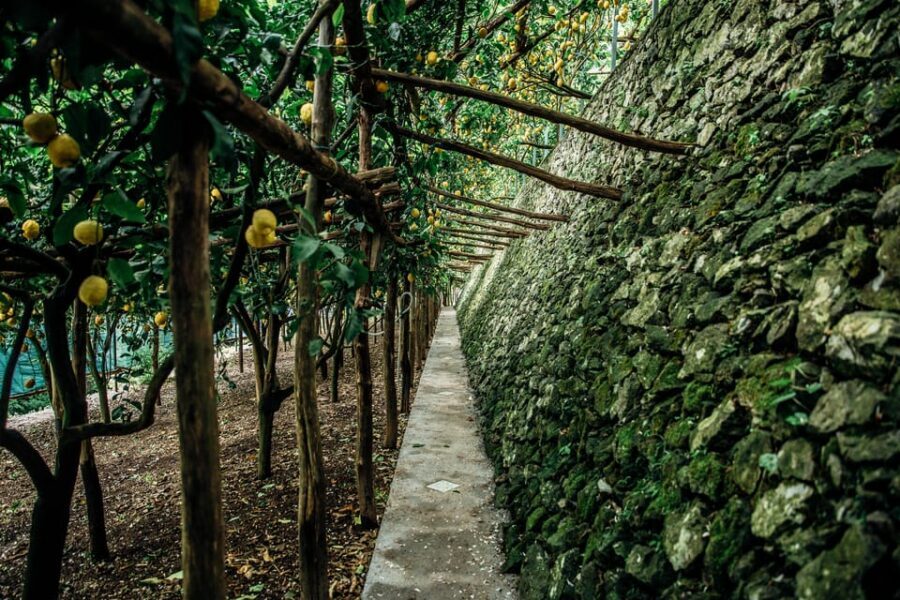
Most Amalfi visits focus on the waterfront and the scenic road views. This experience goes higher and more practical. You’re walking inside the farming system itself—terraces built into steep hillsides so lemons can thrive where flat land simply doesn’t exist.
The “vertical” part isn’t just a marketing phrase. The groves climb upward in layers, which means you get constant sight lines over fruit, leaves, and stonework. It’s also a fast way to understand why lemon farming in Amalfi isn’t casual work. When you’re standing among the trees, you feel the effort that goes into every harvest—especially in a place with intense sun, wind, and very limited room.
It also helps that the tour mixes nature with culture. You don’t just walk through lemon trees and leave. You also learn the story of how the product arrived and why Amalfi lemons earned formal recognition tied to their geographic origin.
You can also read our reviews of more tours and experiences in Amalfi.



Getting Started at Via delle Cartiere (and avoiding the wrong turn)
Your check-in is at the Amalfi Lemon Experience shop on Via delle Cartiere, 59. The simplest plan is to arrive on foot and keep it straightforward.
One practical tip: if you use Google Maps, the driving directions can lead you to the wrong location. Use walking directions instead. This matters because Amalfi’s city center is not designed for cars.
Also note the general rule in the area: no car or scooter allowed inside the city center. So if you’re coming from Amalfi town itself, plan to walk a bit. If you’re arriving by ferry, many people pair this with time on the water—one traveler described an easy walk after arriving by ferry from Positano (about an 18-minute walk).
The 90-Minute Walk Through Terraces and Sfusato Amalfitano Lemons
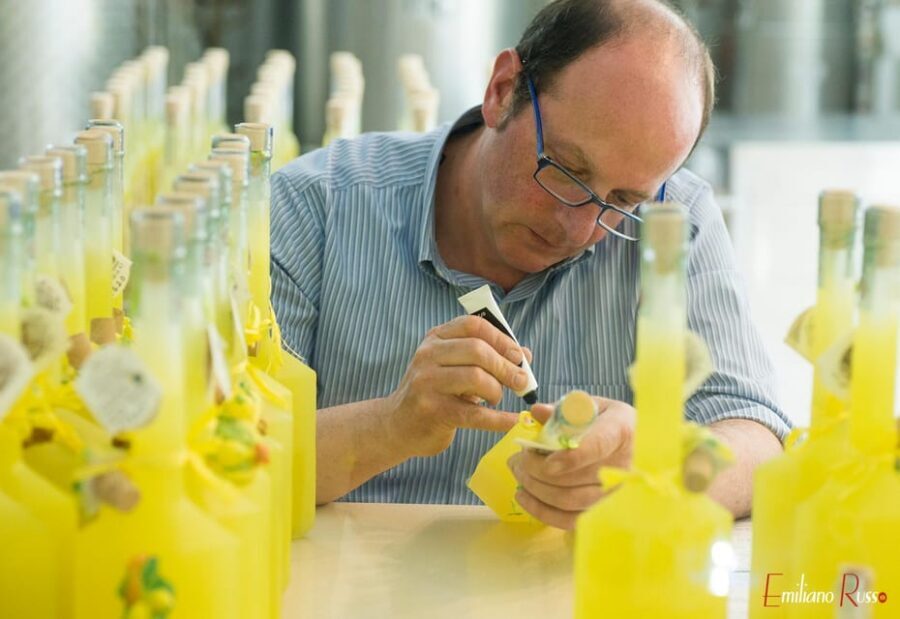
The tour runs about 1.5 hours and centers on a guided walk through the orchard terraces. You’ll move from the shop area into the hills where workers care for the trees and where the groves show their layered structure up close.
You’ll also learn what’s being grown. The starring fruit is Sfusato Amalfitano, the lemon closely tied to Amalfi’s limoncello tradition. The guide explains why this lemon matters and how it’s used, including its connection to limoncello production.
As you walk, you’ll hear how the trees are managed. That includes practical farming facts—how growers handle the hillside, what conditions matter, and what the modern market pressure can do to a small family farm. In the same visit, you’ll also be told how the product first arrived in Amalfi and why it gained recognition connected to European Protected Geographical Indication status.
This walking portion is scenic, but it’s still a farm walk. Bring your attention and your shoes.
Meet the Family Behind the Grove (and hear the real farming story)
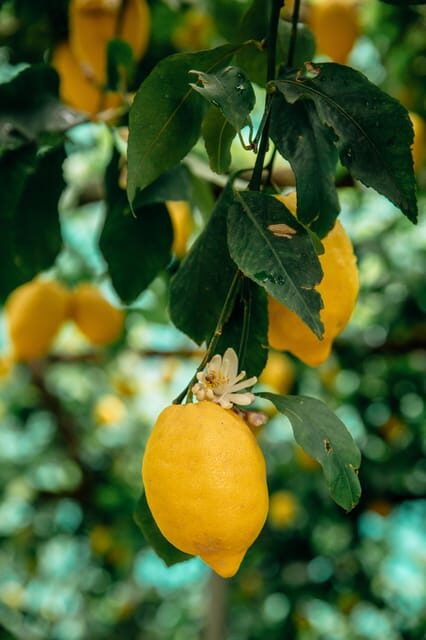
One of the most praised parts of this tour is the family hosting it. You’re not just viewing lemons like a display. You’re being guided by people who’ve lived with the orchard for decades.
In conversations, guides name and connect the experience to the family line—six generations of lemon farming in Amalfi. On top of that, at least one guest noted meeting an elderly founder (about 90 years old) during the visit. That kind of moment is memorable because it turns a product into a life.
What makes this section valuable for you: you learn the differences between how we think lemons get to a bottle or plate, versus what it takes locally. Farming is not guaranteed. Climate, slope farming, labor, and market forces all show up in the story. And because the guides explain the difficulties openly, it feels more honest than a typical “pretty place, quick speech, shop at the end” experience.
If you like agriculture, food culture, or simply want to understand why Amalfi lemons have a reputation, this part is where you’ll feel the most meaning.
Tastings That Actually Match What You Just Saw
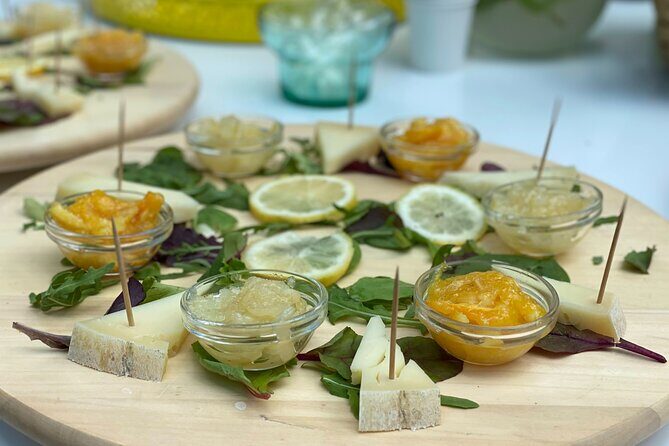
Tasting is a big part of the value here, and it’s tied to what you saw walking through the trees. The standard tasting includes lemon cake, lemonade, and limoncello, plus farm-fresh items made from their harvest. You may also encounter additional products such as lemon jam, honey, and possibly other lemon desserts depending on what’s ready during your visit.
Why this matters: it prevents the tasting from feeling generic. You’re not just being offered random samples. You’re tasting things made from the lemon variety and process you’ve been learning about.
A couple of tasting details stood out in the feedback: one guest said the lemon cake and limoncello were incredible and wanted more, while another mentioned the farm had a nice lineup that included things like lemonade plus limoncello after the walk. People repeatedly highlight that the food and drink are genuinely tasty, not just a checkbox.
Also, the pace includes stops where you can sit or pause and enjoy the breeze in the shade of the trees. That break helps you enjoy the flavors instead of rushing through them.





Museum of Rural Culture: Tools, Arts, and the Paper Trail of Lemon Farming
After the orchard portion, you’ll visit the Museum of rural culture arts and crafts. This isn’t a giant formal museum with glass cases and distant history. It’s designed as a companion to the orchard walk—so you understand the tools, equipment, and documents that supported lemon production.
The museum’s focus is very specific:
- tools of the trade
- arts and crafts connected to farm work
- documents and information relating to how lemons were produced
For you, the payoff is clarity. When you learn about terraces in the field and then see the tools behind that labor, the story connects. It also gives you something to do that’s not purely physical. If your legs need a slower moment, this is it.
Limoncello Lab Visit: From Fruit to Signature Spirit
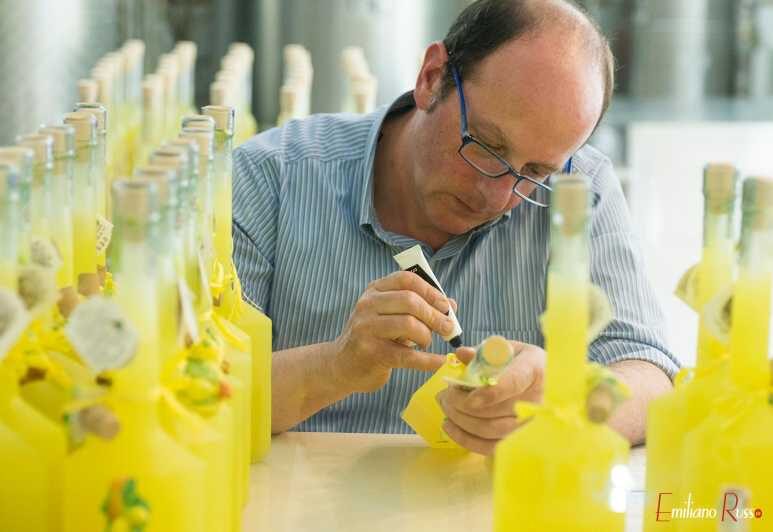
One of the most fun parts is the laboratory visit connected to limoncello. You’ll learn the secrets to crafting exceptional limoncello and see how the farm turns fruit into product.
Now, here’s the practical angle: even if you don’t care about making limoncello at home, watching a local production process explains why limoncello is so tied to Amalfi identity. It’s not only about taste. It’s about how a farming tradition becomes a local craft and export.
Because this happens on-site, you also get continuity. You’re not learning limoncello in a hotel lobby or at a distant factory. You learn it right after walking among the trees and tasting the result.
If you’re the type who likes to understand the “how,” this stop will land well.
What Not to Bring (and what shoes to pack) for a Smooth Visit
This is one of those tours where rules actually protect the experience.
Bring:
- comfortable shoes (and many recommend hiking shoes)
- sunglasses
- weather-appropriate clothing
- sportswear
Avoid:
- pets
- luggage or large bags
- touching plants
- feeding animals
Also, mobility restrictions are real. Mobility scooters and electric wheelchairs aren’t allowed, and the tour is not suitable for wheelchair users. The walk includes sections with steep stairs.
There’s also a safety note about footwear. If you wear unsuitable shoes—like slippery heels/soles or high heels—you may not be allowed to participate. I’d treat this as a big deal. Wear grip, not fashion.
Finally, the property has dogs that roam freely. Other pets aren’t allowed, and you should expect dogs in the space.
Price and Value for $41 in Amalfi
At $41 per person for about 1.5 hours, the price looks reasonable once you break down what’s included:
- guided vertical grove visit
- tastings (lemon cake, lemonade, limoncello, plus other farm products)
- museum of rural culture arts and crafts
- limoncello factory/laboratory visit
In Amalfi, a lot of the “experiences” cost similar money but offer only views and a short food stop. Here, you’re getting a full arc: field walk → learning → tasting → museum → production process. That’s why people consistently call it good value.
You also get something intangible that’s hard to price: you’re supporting a family-run operation that’s been doing this for generations, not a chain built for foot traffic. One review specifically mentioned they felt it was a good way to support a local business, and that they bought limoncello afterward—so the connection between tour and shopping is part of the ecosystem.
If you’re spending time around Amalfi’s center, this is a smart use of time because it gives you something real and local without requiring a full day.
Who This Lemon Tour Suits Best (and who should skip it)
This tour is a great fit if you:
- enjoy food culture and want to connect it to farming
- like guided walking tours with meaningful stops
- want limoncello context from a real orchard operation
- don’t mind stairs and uneven hillside walking
It’s not a good match if you:
- use a wheelchair (or need mobility scooter support)
- have respiratory issues or heart problems
- are traveling with small kids under 2
- have limited tolerance for steep stairs (tour notes this includes particularly steep stair sections)
- are planning to bring pets or large bags
One traveler did mention they wished they’d gone higher up the farm. That can be a hint for you: if you want a longer, more strenuous hike experience, you might feel the walk is just at the “intro” level. Still, the tour length and structure are part of its charm—short enough to fit into a busy Amalfi day.
Should You Book the Amalfi Vertical Lemon Farm Tour?
Yes—if you want a genuine Amalfi experience that focuses on how lemons shape daily life. I’d book it when you can spare 1.5 hours for walking, when your shoes are up to stairs, and when you care about more than postcard views.
Skip it if you need wheelchair access, can’t handle steep steps, or are traveling with a pet. Also skip if you’d rather spend your time on Amalfi’s main streets instead of stepping into the farming world.
If you like food that has a story, this one pays you back—through the walk, the museum, and the tasting that comes right from the orchard.
FAQ
How long is the Amalfi lemon farm tour?
The tour lasts about 1.5 hours.
What’s included in the tasting?
You can expect tastings such as lemons, lemon cake, lemonade, and limoncello, along with visits tied to the farm and production.
Where do I meet the guide?
Check in with staff at the Amalfi Lemon Experience shop at Via delle Cartiere, 59.
Is the tour guide in English?
Yes, the tour is guided in English.
Is this tour suitable for wheelchair users or people needing mobility scooters?
No. Wheelchair users are not suitable, and mobility scooters are not allowed.
What should I wear or bring for the tour?
Wear comfortable shoes (hiking shoes are recommended) and bring sunglasses and weather-appropriate clothing. If your footwear is slippery or high-heeled, you may not be allowed to join.