REVIEW · POSITANO
Forage Herbs, Make Grandma’s Ravioli & Tiramisù w Our Family
Book on Viator →Operated by La Vigna degli dei · Bookable on Viator
A good Amalfi day has one goal: make it feel like real life. This small-group cooking class takes you from herb picking on an Agerola hillside to pasta from scratch at a family farmhouse table. You’re not just watching food happen. You’re helping make it, then eating it while wine flows.
What I like most is the hands-on rhythm. You learn the dough work, then shape ravioli and learn a second pasta format (tagliatelle), using recipes shared through the family. The other big win is the setting: the experience centers on ingredients grown at home and the relaxed, warm way Pasquale and Rosanna run the evening.
One thing to consider before you book: getting there can take real effort. The meeting point is in San Lazzaro (not in central Positano), and some people found the drive up challenging, even though the views help a lot and transport can be arranged for an extra cost.
In This Review
- Key highlights you shouldn’t miss
- Family Farm Cooking Above the Amalfi Coast: What You’re Really Buying
- Getting to Agerola from Positano: Meeting Point and Timing Reality
- Forage Herbs, Then Start Dough: How the Lesson Works
- Ravioli and Tagliatelle: What You’ll Actually Make (and Eat)
- Lemon Tiramisù, Homemade Wine, and Limoncello Pairing
- Farm and Cellar Tour: Why It Matters for Food People
- Price and Value: What $76.03 Includes (and Why It Feels Fair)
- Who This Class Suits Best (and Who Should Think Twice)
- Dietary Options: Vegetarian and Gluten-Free on Request
- Should You Book Forage Herbs, Make Grandma’s Ravioli & Tiramisù w Our Family?
- FAQ
- How long is the cooking class?
- Where does the tour start, and where does it end?
- What’s included in the ticket price?
- Is hotel pickup included?
- Can I choose a vegetarian option?
- Is gluten-free pasta or options available?
- Do they teach in English?
- Is there a limit to group size?
- What is the cancellation policy?
Key highlights you shouldn’t miss
- Forage fresh herbs on the property before you start cooking
- Make two kinds of pasta from scratch: ravioli and tagliatelle
- Grandmother-style recipes taught by Pasquale and supported by Rosanna
- Farm and cellar tour included, not just a classroom lesson
- Wine + limoncello paired with the meal, plus lemon tiramisù
- Max 15 people, so you actually get help at the counter
Family Farm Cooking Above the Amalfi Coast: What You’re Really Buying
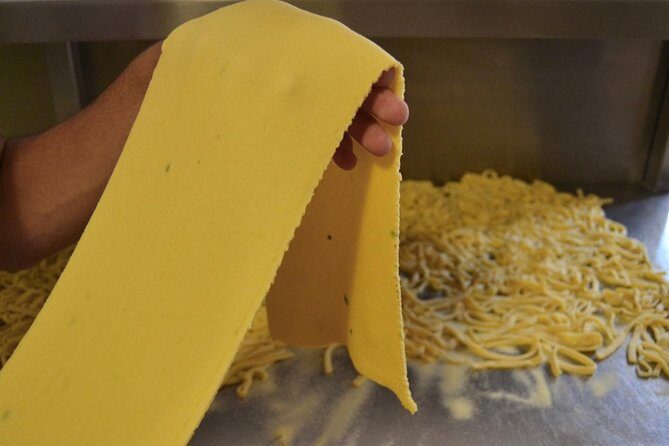
You’re paying for more than a recipe sheet. You’re buying a full evening of food culture in a working family setting above the Amalfi Coast. The “from forage to finished plates” flow matters because it changes how the dishes taste and how you remember them. Herbs picked on-site turn into pasta flavor fast. Then the meal turns into the conversation.
This is also a class designed for small moments. You’ll work in a group, but you’re not hidden behind a camera angle. You get time with the dough and you get guidance while you shape and fill. That’s why the whole thing gets described as authentic, relaxed, and genuinely fun.
One more value point: the meal isn’t an afterthought. Your ticket includes beverages, alcoholic drinks, snacks, coffee and/or tea, and the farm experience itself. When a tour includes both teaching and feeding you, you avoid the common trap of spending money on instruction but still needing to hunt down a real dinner afterward.
You can also read our reviews of more tours and experiences in Positano.
Getting to Agerola from Positano: Meeting Point and Timing Reality
The meeting point is Via Castello, 3, 80051 San Lazzaro NA, Italy, and the activity ends back there. That’s useful to know because Positano is close enough to be tempting, but it’s not where the cooking class happens.
Your total time is listed at about 2 hours 30 minutes, with the farmhouse portion clocked at around 2 hours. In practice, expect it to run long if the family meal stretches into stories and laughter. A good sign is that people describe it as turning into a longer family gathering than the schedule suggests.
If your home base is Positano, plan for a drive. People mention an approximately one-hour journey from the Positano area, but timing can change with traffic and winding roads. If you want the easiest arrival, the experience notes hotel pickup/drop-off is available on request for an additional cost. That option can save stress if you’re not comfortable navigating from the coast up to the farmhouse.
Practical tips:
- Wear shoes you’re comfortable with on uneven farm surfaces.
- Build in time for parking and walking once you’re near the property.
- Bring patience for curvy roads. This is part of the Amalfi experience, not a detour.
Forage Herbs, Then Start Dough: How the Lesson Works
The class starts with the “why” and not just the “how.” You’ll forage fresh herbs from the garden, then use those ingredients during the meal. That step does two things: it gives you flavors with a story, and it sharpens your attention while you cook. When you’ve just picked the herb, you notice how it changes the sauce, the filling, and the final bite.
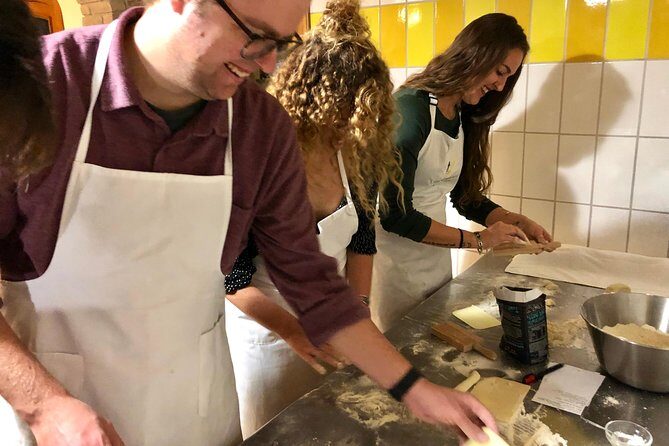
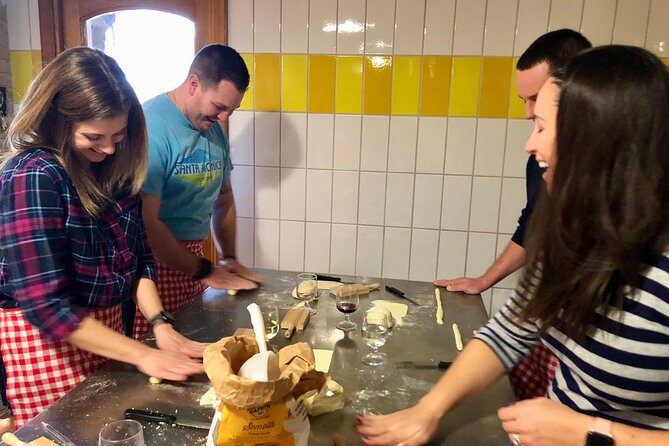
Then the pasta portion takes over. You’re taught to make handmade pasta from scratch, including the dough process and shaping steps. The experience is family-run, so the tone stays casual. People describe hosts as patient and funny, and that matters because pasta making can feel fiddly the first time.
You’ll be active at the work table. This isn’t a sit-and-watch situation. Everyone seems to get hands-on help as they work through the steps, including forming the pasta and assembling ravioli.
A helpful mindset: aim to learn technique, not perfection. The real win is that you leave with confidence and a clear idea of what good pasta dough should feel like. That’s what makes it usable at home.
Ravioli and Tagliatelle: What You’ll Actually Make (and Eat)
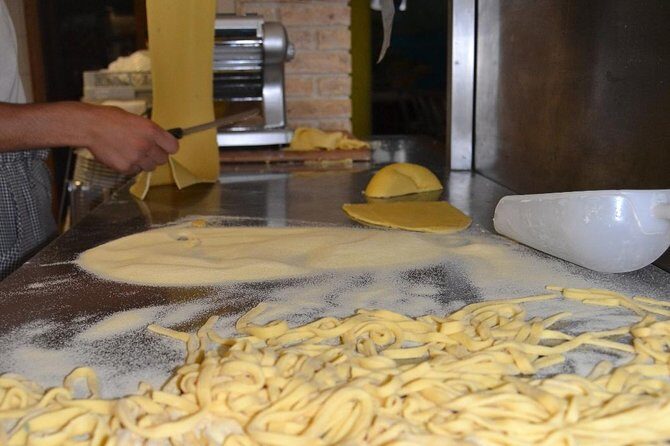
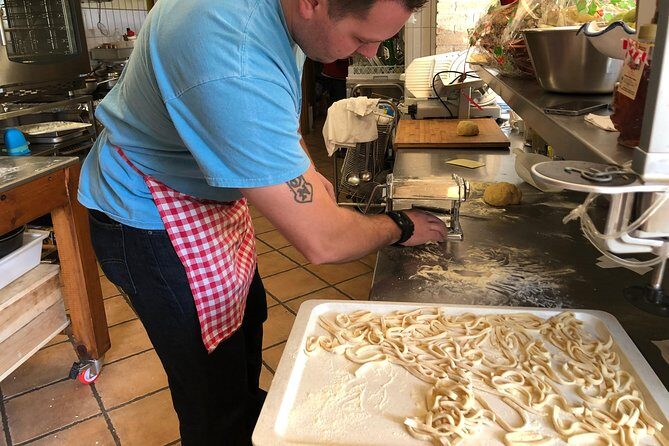
The signature dishes are handmade ravioli and tagliatelle, built around family recipes. Ravioli is the star because it’s more than shape—it’s filling, sealing, and portion control. Tagliatelle is the counterpart that teaches you how to roll and cut pasta evenly.
Many classes claim they’re hands-on. This one keeps you busy, and that’s why people talk about learning a real process. Pasquale teaches and Rosanna assists, and reviews repeatedly point to clear instructions step by step. You’re not just copying shapes. You’re understanding the dough work enough to repeat it later.
What might be in the menu besides the two main pastas? The experience description specifically calls out handmade ravioli and tagliatelle, plus lemon tiramisù. Reviews add that you may also see other farm-style items like antipasto, salad, and cheeses (including goat cheese in at least one account). People also mention sustainable garden ingredients and even small dairy touches like fresh cow-milk curd used for cheese.
Even if the exact extras vary, the core structure is consistent: you make the pastas, then sit down and eat what you make, so your effort turns into a full dinner rather than a snack.
Lemon Tiramisù, Homemade Wine, and Limoncello Pairing
Food classes can forget dessert. This one doesn’t. You finish with lemon tiramisù, and the experience uses the family’s own limoncello for the flavor. That lemon-citrus finish is a perfect match for the richness of ravioli—bright enough to cut through butter and cheese, but still creamy and comforting.
The drink side is also part of the story. Wine is included, and multiple reviews mention homemade wine that’s generous and genuinely good. If you’re the type who likes to connect food to where it comes from, this is one of those classes where the alcohol feels like it belongs to the same kitchen as the pasta.
One more detail worth noting: there’s usually time to slow down and eat together. The family-table setup is a big deal because it turns the class into a conversation, not just a checklist. If you’re nervous about speaking Italian, don’t worry. The experience is offered in English, and the tone stays friendly.






Farm and Cellar Tour: Why It Matters for Food People
You don’t just get a kitchen lesson. You also get a farm and cellar tour. That addition is small on paper but meaningful in practice. It helps you connect the final plates to the source: herbs from the garden, ingredients from the property, and the general self-sufficient vibe people keep praising.
Some accounts mention animals and a bit of walking around the farm for views. You might not get the same pace as another person’s evening, but the message is clear: the farm isn’t a backdrop. It’s part of how the meal becomes possible.
If you like food that tastes like it’s tied to a place, this part earns its keep. It’s also a nice “breather” between dough work and eating.
Price and Value: What $76.03 Includes (and Why It Feels Fair)
At $76.03 per person, this isn’t the cheapest thing you can book in the Amalfi area. But it also isn’t paying for instruction alone. Your ticket includes:
- Beverages and alcoholic drinks
- Snacks
- Coffee and/or tea
- Meals as per the experience flow
- A farm and cellar tour
- All taxes, fees, and handling charges
That bundle changes the math. Even one or two drinks plus a real dinner can eat a chunk of your budget in Positano, where prices can climb fast. Here, the cost folds into the full evening: you learn, you eat, and you drink in a controlled, included setting.
Also consider group size. With a maximum of 15 travelers, your attention from the family is more likely than in large classes. People mention the hosts being patient and actively guiding everyone, which is exactly what you want for learning pasta—not just watching it.
Finally, value is emotional here. A class becomes memorable when it feels like a genuine family welcome. Reviews repeatedly mention warmth and the feeling of being treated like part of the day, not a paying customer.
Who This Class Suits Best (and Who Should Think Twice)
This experience fits best if you:
- want a hands-on pasta lesson rather than a tasting-only meal
- like family-run places where you can ask questions and get human answers
- enjoy food with a local ingredient story, especially herbs and citrus
It’s also a strong pick for couples and small friend groups. The class format and group size keep it social without feeling chaotic. Many people call it a standout highlight of their Amalfi trip, and that tracks with the “make it, eat it, talk about it” structure.
Who might want to think twice:
- If you hate driving up winding roads, treat transport as a real planning item. The listing says pickup/drop-off is available on request for an added cost, which can help.
- If you expect a strict, clockwork experience with no sharing or stories, you might find it more relaxed than a standard school lesson. That’s also why it works for many people.
If you’re a vegetarian or need gluten-free options, you should be okay. You’ll want to coordinate the dietary needs ahead of time so the family can plan the meal you’ll eat.
Dietary Options: Vegetarian and Gluten-Free on Request
The experience offers a vegetarian option, and you need to advise at booking. Gluten free is available on request too. That’s useful because it signals the family can adjust the menu rather than simply giving you a plain side dish.
One practical note: pasta is the heart of the experience. For gluten-free, you’ll want to confirm how the pasta portion will be handled when you book. The data says gluten free is available on request, but it doesn’t describe the exact method. Asking a quick question before you go can prevent surprise and help you relax.
If you’re vegetarian, the main point is that the experience is designed to be shared at the table, so you’re not stuck waiting while others eat their own versions of the meal.
Should You Book Forage Herbs, Make Grandma’s Ravioli & Tiramisù w Our Family?
If you want a genuinely Italian evening that blends technique with hospitality, I’d book it. The strongest reasons are simple: you make pasta from scratch, you use ingredients you pick, and you finish with a lemon dessert tied to the family’s limoncello. The small-group size and the attention from Pasquale and Rosanna are repeatedly emphasized, and that’s exactly what you want when you’re learning something that can be finicky.
I’d pass or at least plan transport carefully if you’re trying to minimize driving time from Positano. The meeting point is in San Lazzaro and the drive up can be tough for some people. Still, pickup/drop-off is listed as available on request, which makes it easier to justify the trip if you want zero stress.
For most visitors, this is the kind of experience you can talk about later because you can actually repeat it at home. Pasta-making isn’t just a meal memory. It’s a skill you get to take with you.
FAQ
How long is the cooking class?
The experience is listed at about 2 hours 30 minutes, with the farmhouse portion at around 2 hours.
Where does the tour start, and where does it end?
It starts at Via Castello, 3, 80051 San Lazzaro NA, Italy, and it ends back at the meeting point.
What’s included in the ticket price?
The ticket includes farm and cellar tour, beverages, meals as per the itinerary, alcoholic drinks, snacks, and coffee and/or tea, plus all taxes, fees, and handling charges.
Is hotel pickup included?
No. Hotel pickup and drop-off are not included, but service is available on request for an additional cost.
Can I choose a vegetarian option?
Yes. A vegetarian option is available, but you need to advise at time of booking.
Is gluten-free pasta or options available?
Gluten free is available on request. You should specify your dietary needs when booking.
Do they teach in English?
Yes, the experience is offered in English.
Is there a limit to group size?
Yes. The experience has a maximum of 15 travelers.
What is the cancellation policy?
You can cancel up to 24 hours in advance for a full refund. Canceling less than 24 hours before the start time is not refundable.