REVIEW · POSITANO
Cooking class with Pasta, mozzarella and Tiramisu with wine
Book on Viator →Bookable on Viator
A short ride up the coast feels like a reset. This Amalfi Coast cooking class has you rolling up your sleeves for three classic dishes—fresh mozzarella, homemade pasta, and tiramisu—then tasting everything in a farm setting with wine. I like that the format is simple and hands-on, and I also like how the meal leans on garden-fresh ingredients rather than packaged shortcuts. One thing to consider: it’s not right in Positano, so you’ll want a transportation plan before booking.
I’m especially drawn to the way the chefs break down technique—mozzarella first, then pasta-making steps, and finally tiramisu layering—so you’re not just watching. I also like the vibe created by the hosts, especially Ferdinando (and his team, including Michael), who keep the mood light while teaching for real. The practical trade-off is that one class review flagged that not everyone always ends up doing equal hands-on work, so group energy and timing can vary.
The biggest decision point is logistics. If you’re staying in Positano, expect the drive up the mountain and plan for bus schedules that aren’t super flexible; it can mean long waits if you miss a connection. If you can handle that, the experience is the kind that gives you both food skills and a memory you’ll want to repeat at home.
In This Review
- Key points to know before you go
- A Farm-Home Cooking Class Above the Amalfi Coast
- What You Actually Make: Mozzarella, Handmade Pasta, Tiramisu
- Fresh mozzarella: consistency first
- Handmade pasta: the steps matter
- Tiramisu: layering, then eating it
- The Starter, the Main, and the Tasting with Farm Wine
- From Positano to Pianillo: Logistics That Can Make or Break Your Day
- A practical arrival strategy
- How Long Is 3 Hours, Really?
- Small Group Energy With Hosts Like Ferdinando and Michael
- Value for $72.56: Worth It or Just Pretty Food?
- Who Should Book This (and Who Should Skip)
- Consider skipping if:
- FAQ
- What dishes are included?
- How long does the cooking class last?
- Is the class offered in English?
- Where do I meet for the class?
- Is there wine included?
- Is the meeting area near public transportation?
- How many people are in the group?
- What is the cancellation window?
- Should You Book This Amalfi Coast Cooking Class?
Key points to know before you go
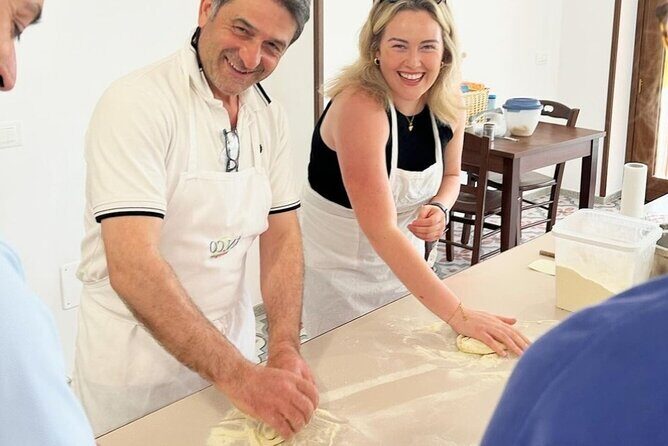
- Three hands-on dishes: mozzarella, handmade pasta (tagliatelle/noodle style is mentioned), and tiramisu
- Wine on the farm: farm-produced wine (served with the meal) adds a local touch
- Small-group feel: up to 40 people, with multiple hosts working the room
- Real technique focus: mozzarella consistency, pasta methods, tiramisu layering
- Not in Positano town: meeting point is up the coast, with a longer ride involved
A Farm-Home Cooking Class Above the Amalfi Coast
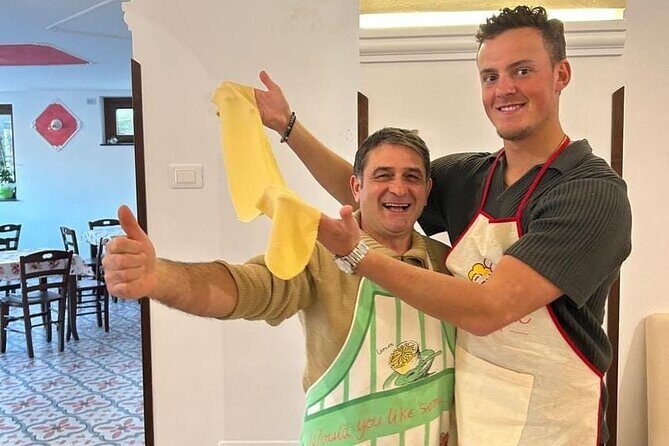
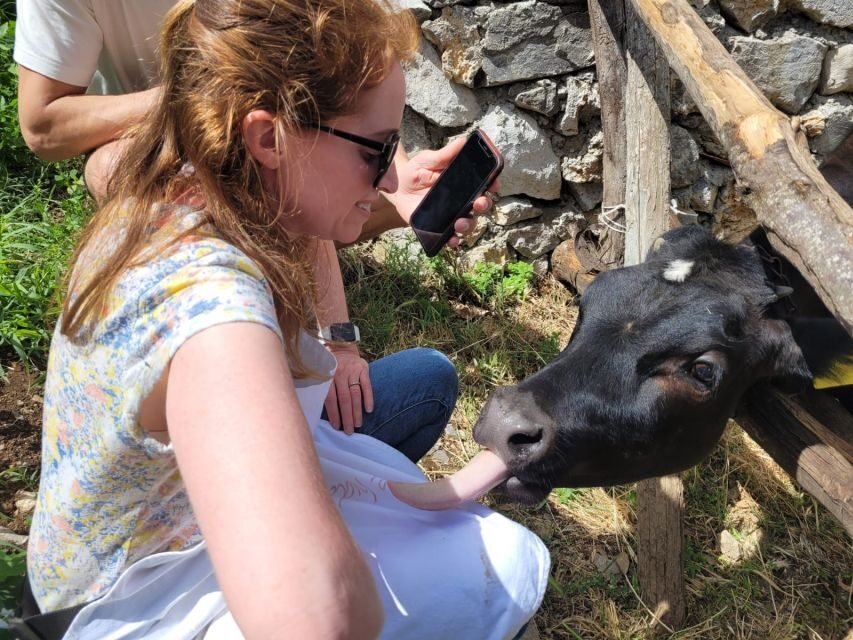
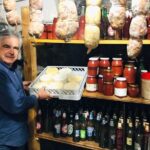
This isn’t a cooking school in a strip-mall classroom. The class happens at a farm-home setting on the slopes above the Amalfi Coast, and that changes the whole tone of the afternoon. You’re not rushing between stations; you’re working at the pace of a real household kitchen, then settling down to eat where the ingredients come from.
What I like most is the “classic Italy” feeling people talk about—rolling hills around you, garden touches in the starter, and a host team that treats the group like friends. When the energy is good (and many reviews say it is), you end up learning without it feeling like homework.
One practical note: the meeting point is Via degli Ontanelli, 13, 80051 Pianillo NA, Italy, which is away from Positano. That’s fine, but it’s the kind of distance where your plan matters. If you’re counting on public transport, give yourself extra buffer time.
You can also read our reviews of more cooking classes in Positano
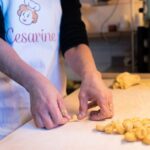
What You Actually Make: Mozzarella, Handmade Pasta, Tiramisu
The menu is built around three iconic dishes, but what matters is how the class teaches them. You start with fresh mozzarella, then move to handmade pasta, and finish with tiramisu—the kind of order that makes technique feel connected instead of random.
Fresh mozzarella: consistency first
The mozzarella segment is about making the product feel right—texture and consistency—using artisanal techniques taught by the chefs. This is where the class can feel more “real training” than a simple demo, because mozzarella is one of those foods that punishes guesswork. You learn how to treat it so it doesn’t turn rubbery or lose that fresh, milky pull.
In reviews, people repeatedly call the mozzarella the standout. That matches the design here: start with something you can’t fake at home easily, and you’ll walk away impressed.
Handmade pasta: the steps matter
Next comes pasta-making. The description uses the words tagliatelle and ravioli in different spots, and the sample meal says handmade noodles with organic vegetable sauce—so expect a pasta process that’s hands-on and traditional, even if the exact shape name varies by day. Either way, you’ll learn the core methods that make Italian pasta work: working dough, shaping, and cooking the result so it’s not gummy or sad.
If you’ve ever bought fresh pasta at a store and wondered what the real difference is, this is the contrast. You get to see how ingredients behave when you touch them yourself.
Tiramisu: layering, then eating it
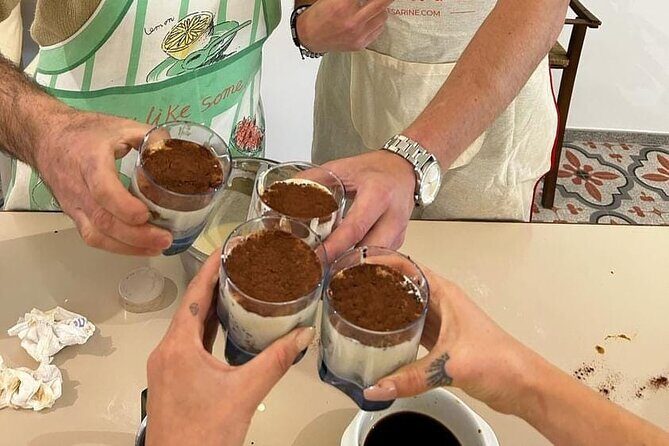
Finally, you make tiramisu using a classic approach, described as prepared with a grandma-style recipe. The point isn’t just taste. It’s the layering technique—the creamy component, the sponge work, and getting the balance so it slices cleanly.
Tiramisu is also where the group mood often peaks. Even one review described people snacking on components while waiting, and that’s a sign the kitchen work stays lively rather than strict.
You can also read our reviews of more wine tours in Positano

The Starter, the Main, and the Tasting with Farm Wine
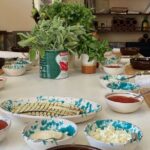
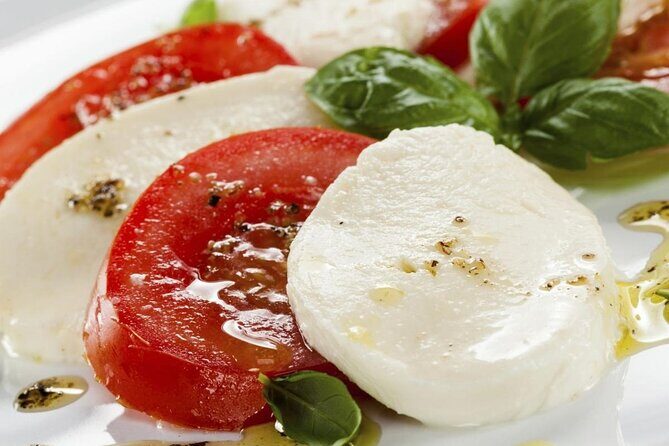
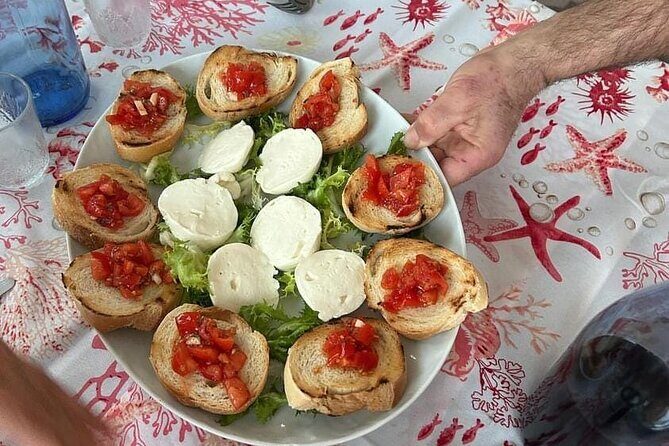
Before dessert, you eat what you make—plus a little extra. The starter is mozzarella with tomatoes and basil, with vegetables from the garden. That matters because it sets expectations: you’re not just learning recipes; you’re practicing with ingredients that are meant to taste like themselves.
The main is described as handmade noodles with organic vegetable sauce. For value and enjoyment, this is a smart choice. You get the satisfaction of making something from scratch, then tasting it while it’s still fresh and part of the same meal flow.
Then comes the wine. The tour says the tasting is accompanied by excellent wine produced on the farm. Wine service follows Italy’s legal drinking age rules—if you’re under 18, you won’t be served alcoholic beverages.
What I like about this pairing is that it stays local. In many cooking classes, wine is an add-on with no story. Here, the wine is tied to the place, which makes it feel like part of the farm experience rather than a separate transaction.
From Positano to Pianillo: Logistics That Can Make or Break Your Day
Let’s talk straight about distance. The meeting point is up the mountain area at Pianillo (near Agerola), not in central Positano. Reviews mention travel time around 1 hour 15–30 minutes from Positano for the ride, and the transport often involves bus connections.
If you’re using buses, plan around infrequent service. One review describes ending up waiting a long time after a bus situation, then leaving the class area and waiting for the return. That’s exactly the kind of scenario you want to avoid by building in time.
And if you’re coming via Amalfi (ferry to Amalfi, then bus onward), it can work—until it doesn’t. One documented case includes a missed bus connection leading to a taxi around €135, which is a real reminder that “just in case” planning saves money.
A practical arrival strategy
- Aim to arrive early at the start point so you’re not rushed.
- If you’re relying on a bus stop, use the driver help. One review said to ask the driver to stop at the right place.
- Keep your day flexible if you’re sensitive to delays—this is the main reason a small number of people felt the experience wasn’t what they expected.
This class can be a highlight. But the ride up matters.
How Long Is 3 Hours, Really?
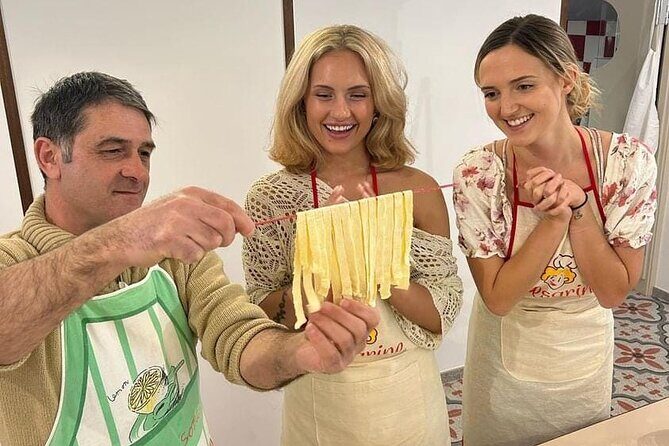
The class runs for about 3 hours. That’s long enough to do real work (mozzarella, pasta, tiramisu) but not so long that you feel drained.
One review that rated it low said the class didn’t teach as much as they hoped and that the time felt long with limited hands-on participation per person. On the other side, many reviews say it’s very hands-on and that each person actually makes food, not just watches. So here’s the balanced truth: the structure is designed for involvement, but group size and timing can affect how much you personally do.
If you want a class where you’re actively working most of the time, this is a good match—especially with a host team like Ferdinando and Michael that reviews describe as funny, welcoming, and focused on food craft.
Small Group Energy With Hosts Like Ferdinando and Michael
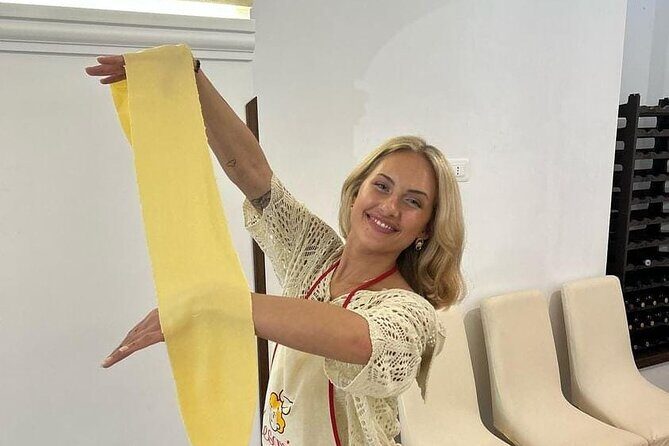
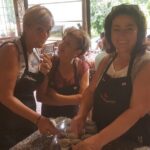
A lot of the praise lands on the host team. Ferdinando gets named again and again as a strong teacher and a fun guide through the process. Michael is also repeatedly mentioned, especially around pasta and tiramisu.
Why this matters to you: cooking classes live or die by pacing. If the host explains clearly, keeps the group moving, and builds in time for questions, you get better food outcomes at home. If the host is more performance than coaching, you might leave with a plate of pasta but not much skill transfer.
Based on the general feedback, the class leans toward coaching and laughter at the same time. Music is mentioned in reviews, too—so expect a relaxed, lively atmosphere rather than a silent culinary seminar.
Value for $72.56: Worth It or Just Pretty Food?
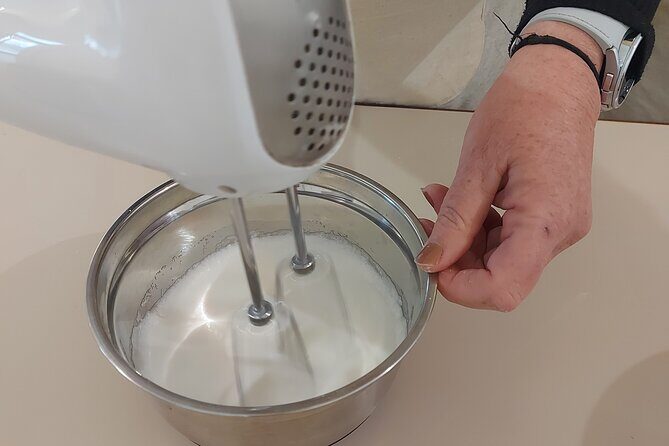
At $72.56 per person for roughly 3 hours, the value comes from what’s included: three major dishes, garden-fresh ingredients in the starter, wine produced on the farm, and a small-group format.
It’s not just a meal. You’re paying for:
- Instruction for mozzarella, pasta, and tiramisu
- The ingredients and equipment to make them
- A place that turns cooking into a full afternoon (farm setting, tasting, wine)
Compared with “eat-only” food tours, you’re getting skill and a stronger story to take home. Compared with some bargain cooking classes, you’re paying a little more, but the setting and farm wine add real weight to the package.
Where the value can drop: if you’re tightly time-constrained in Positano or you end up stuck waiting for transport. That’s the main risk. Great cooking classes are only as good as your ability to show up and leave smoothly.
Who Should Book This (and Who Should Skip)
This class is a good fit if you want:
- A hands-on Amalfi Coast cooking experience (not just a tasting)
- A focused set of “Italy classics”: mozzarella, pasta, and tiramisu
- A group event that mixes cooking with social time
It’s especially appealing for couples and families, including families with kids who want to learn to cook in Italy. Reviews even call out a 10-year-old who wanted pasta-making specifically, and that’s the kind of family-friendly excitement this class tends to generate when everyone’s engaged.
Consider skipping if:
- You hate travel time and don’t want a long ride up the mountain
- You’re relying on public transport with tight connections and limited flexibility
- You want a classroom-style curriculum where you leave with very detailed written recipes (the “recipes like on Instagram” comment came from one review)
FAQ
What dishes are included?
You’ll learn to make fresh mozzarella, handmade pasta (described in parts as tagliatelle/ravioli or handmade noodles), and tiramisu. The starter and meal include mozzarella with tomatoes and basil, plus a vegetable-based sauce for the pasta.
How long does the cooking class last?
The experience is listed at about 3 hours.
Is the class offered in English?
Yes, it’s offered in English.
Where do I meet for the class?
The meeting point is Via degli Ontanelli, 13, 80051 Pianillo NA, Italy. The activity ends back at the meeting point.
Is there wine included?
The tasting is accompanied by wine produced on the farm. You won’t be served alcoholic beverages if you haven’t reached Italy’s legal drinking age of 18.
Is the meeting area near public transportation?
Yes, it’s listed as near public transportation.
How many people are in the group?
The tour has a maximum of 40 travelers.
What is the cancellation window?
You can cancel for a full refund up to 24 hours in advance of the experience start time.
Should You Book This Amalfi Coast Cooking Class?
Book it if you’re looking for a real cooking afternoon with mozzarella + pasta + tiramisu, plus wine, in a farm-home setting above the coast. The best-case scenario here is exactly what most people describe: you leave with food you made yourself and a host team that keeps it fun.
Hold off if your plan is brittle—if you’re staying deep in Positano and counting on infrequent bus schedules without buffer time. This is the class you should schedule with margin, not with a tight timeline. If you can solve the ride up and back, the payoff is a very memorable, very teachable kind of Italian meal.