REVIEW · POSITANO
Ravioli & Tagliatelle Cooking Class at a Local’s Home in Positano
Book on Viator →Operated by Barba Angela · Bookable on Viator
Pasta tastes different when made at home. This cooking class in Positano feels like family-home hospitality, and I love the way the meal starts with garden-picked ingredients and turns into real skills you can repeat. You’ll cook with Emily and her family, including Gennaro and their mum, and you’ll learn the logic behind the shapes, fillings, and timing.
One downside to consider: it’s hosted in a private setting that requires good weather, and the views stop means you’ll be up in the Montepertuso area, so plan for a short ride and comfy shoes.
In This Review
- What you do (and eat) in about 3 hours
- Key points worth circling
- From Piazza Cappella to a home in Montepertuso
- Montepertuso and Li Galli: the scenic pause that makes dinner feel earned
- Welcome aperitif: local starters before you touch dough
- Ravioli: you choose the filling and learn why it holds together
- Tagliatelle: hand-rolled fresh noodles with garden ingredients
- Tiramisu: the grandmother-style finale that stops the night
- Wine, prosecco, and limoncello: more than just drinks
- What makes this class feel different (and worth the price)
- Logistics that matter: meeting point, duration, and weather
- Who this is best for
- Should you book this Positano cooking class?
- FAQ
- How long is the cooking class?
- What is the price per person?
- Where do we meet in Positano?
- Is the class taught in English?
- What dishes will I learn to make?
- Is the group size limited?
- Do they use ingredients from the garden?
- Does the class include wine or other drinks?
- What happens if the weather is bad?
- Can I cancel for a refund?
What you do (and eat) in about 3 hours

The class runs around 3 hours and keeps a small-group feel, with a maximum of 14 people. You’ll start with a welcome aperitif made with local products, then move into hands-on pasta work: ravioli plus tagliatelle, and you finish with tiramisu from a grandmother-style old recipe. The pacing is relaxed, with plenty of conversation, photos, and time to eat what you make.
Key points worth circling
- Montepertuso + Li Galli views included so your afternoon isn’t just a kitchen bubble
- Ravioli and tagliatelle, not one pasta demo you’ll actually make both
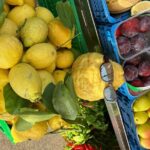
- Garden-to-plate approach with tomatoes, mozzarella, rocket, and grilled vegetables gathered from the property
- Wine and local aperitif flow including prosecco, plus family limoncello in the mix
- Tiramisu is part of the deal and it’s taught like a real family recipe, not a shortcut
- Small group size (max 14) for hands-on help without constant waiting
You can also read our reviews of more cooking classes in Positano

From Piazza Cappella to a home in Montepertuso
Your experience begins back at Piazza Cappella in Positano (84017 SA). From there, you’re headed toward the Montepertuso area, where the cooking happens in a family home setting rather than a restaurant kitchen. The vibe matters. In this kind of class, you learn faster because someone is right there correcting your dough, not a wall of instructions.
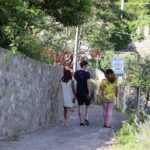
Because you’re slightly away from the main beach area, it helps to think like a local: wear shoes you trust on uneven paths, and don’t assume you can walk everywhere easily. Good news: the activity is near public transportation, and the hosts can help coordinate transport so you’re not stuck trying to solve logistics on your own.
Montepertuso and Li Galli: the scenic pause that makes dinner feel earned
You’ll make two stops as part of the day’s flow: Montepertuso and Li Galli. These are more than quick photo moments. They frame why Positano food feels the way it does—seasonal produce, coastal ingredients nearby, and a slow lifestyle where meals are events.
Montepertuso is also where the family property sits, and you can feel the shift as you move away from the crowded center. The Li Galli part adds that classic Amalfi-side magic: you get a look outward, then you come back to the table with better appetite and a clearer head. It’s the kind of pacing that makes a 3-hour class feel longer in the best way—like a real afternoon, not a rushed activity.
Welcome aperitif: local starters before you touch dough
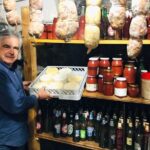
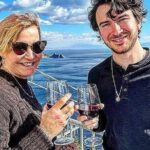
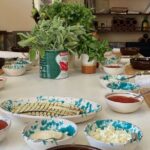
Before you start rolling pasta, you get a welcome aperitif with local products. Then the meal builds in stages that make sense for a home-cooked flow. You start with a platter-style starter that includes salami, tarallucci, local cheese, and olives, plus a good glass of prosecco.
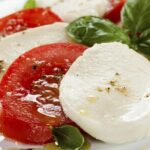
Next comes the lighter, fresher layer of the meal: caprese salad made with local mozzarella, fresh tomatoes from the garden, rocket, and grilled vegetables that are also pulled from what’s growing on their property. This matters because it sets the kitchen rhythm. You’re not just eating for fuel; you’re learning how the family balances rich and bright flavors before the pasta show.
Ravioli: you choose the filling and learn why it holds together
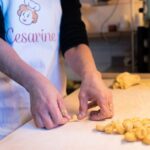
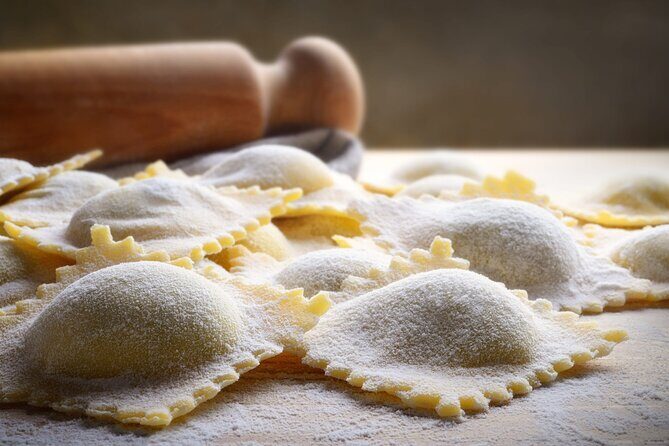
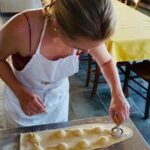
The main cooking session is built around two handmade pastas: ravioli and tagliatelle. For the ravioli, you’re making fresh pasta dough together and pairing it with ricotta or vegetables or meat. The nice touch here is choice. You can select ingredients you like rather than being locked into one filling.
The teaching is practical. You’ll get tips for handling dough so it stretches without tearing, and for shaping so the filling stays sealed. One reason this class gets such strong praise is that ravioli is the moment where most people expect a tutorial-only experience, but you end up doing real work. Making a big sheet of dough with other people takes teamwork, and it turns the process into something fun rather than intimidating.
Then comes the best part: you eat what you make. Fresh ravioli doesn’t need excuses. It tastes like effort.
You can also read our reviews of more tours and experiences in Positano


Tagliatelle: hand-rolled fresh noodles with garden ingredients
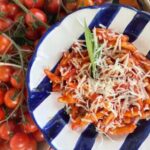
After ravioli, you move to handmade tagliatelle. This section focuses on the feel of the dough and the fresh ingredient mix, not just the final shape. The pasta uses fresh ingredients that come from the garden, which keeps the flavors grounded and seasonal.
Tagliatelle is simpler than ravioli in construction, but don’t underestimate it. Cutting and shaping fresh noodles correctly changes the bite. You’ll learn what to watch for while you work, and you’ll understand why homemade pasta feels different even before sauce shows up.
If you want a skill you can bring home easily, this is a strong one. It’s also a good reset after the more precise ravioli step. You get to slow down and enjoy the process.
Tiramisu: the grandmother-style finale that stops the night
You don’t end with a store-bought dessert. You make tiramisu. And yes, it’s taught as an old family recipe, passed down from the grandmother approach.
Even if you’re not usually a tiramisu person, this ending can win you over because it’s made fresh with the group’s attention on detail. After pasta work, the dessert feels like a reward that belongs at the end of the story, not a thrown-in afterthought.
Wine, prosecco, and limoncello: more than just drinks
Food classes can sometimes treat wine like a background prop. Here, it’s part of the way the evening runs. You get prosecco with the early bites and local wine as part of the meal flow. Many people also end up trying the family limoncello.
One useful note: with unlimited-style wine flow mentioned in experiences like this, pace yourself. I’d treat it like a long dinner, not a quick sampling event. You’ll want your hands steady when you’re shaping pasta, and you’ll want energy left for the last bite of tiramisu.
What makes this class feel different (and worth the price)
At $181.41 per person for about 3 hours, this isn’t a bargain class. But it also isn’t a budget “watch someone else cook” experience. You’re paying for several things that add up:
- A full meal built around what you cook, with starters, pasta, and dessert
- Two pasta types plus tiramisu, taught hands-on
- Garden-sourced produce used during the meal and in the caprese-style starter
- A small-group home setting where the hosts can guide you closely
The best value comes if you’re the type who likes to learn by doing and then eat what you made. If you only want a quick tasting and no hands-on work, you might feel the price more sharply.
Also: the hosts are fluent in English and the class is suitable for children, which widens the audience. If you’re traveling with kids, it can be more engaging than a standard restaurant meal, as long as you’re fine with an intimate home setting.
Logistics that matter: meeting point, duration, and weather
Plan around timing. It’s roughly a 3-hour session, and it’s hosted in a way that depends on good weather. If weather fails, you’ll be offered a different date or a full refund.
As for location, start at Piazza Cappella and you end back at the meeting point. That round-trip flow is helpful in Positano, where getting around can be its own mini-adventure.
A small practical tip: bring a light layer. Even if the day starts warm, homes up around Montepertuso can feel cooler once you stop moving and start eating slowly.
Who this is best for
This class is a strong fit if you want:
- a smaller, human-scale experience (max 14 people)
- real cooking practice with ravioli and tagliatelle
- a meal that includes both seafood-coastal style starters and classic desserts
- stories and family context tied directly to the way the food is made
It’s also ideal if you’re a foodie who’s tired of the “factory classroom” model. You’ll cook in the same spirit you eat: casual, social, and hands-on.
Should you book this Positano cooking class?
Yes—if you want a hands-on meal that feels like someone’s home, not a scripted demo. The strongest reasons to book are the combination of two pastas plus tiramisu, the garden-based ingredients, and the way the hosts guide you while you’re actually shaping dough.
Don’t book if you’re the type who wants a low-effort activity or you know you’ll struggle with weather-based changes. Also, if you dislike wine entirely, you’ll still eat a full meal—but you may not get the full rhythm of how the experience is designed.
FAQ
How long is the cooking class?
It runs for about 3 hours.
What is the price per person?
The price is $181.41 per person.
Where do we meet in Positano?
You meet at Piazza Cappella, 84017 Positano SA, Italy. The activity ends back at the same meeting point.
Is the class taught in English?
Yes, it is offered in English.
What dishes will I learn to make?
You’ll make fresh ravioli and hand-made tagliatelle, and you’ll also make tiramisu.
Is the group size limited?
Yes. The maximum group size is 14 travelers.
Do they use ingredients from the garden?
The experience includes garden-picked ingredients, including items used in the starter and pasta preparations.
Does the class include wine or other drinks?
It includes a welcome aperitif, and a local wine selection such as prosecco is part of the meal. Limoncello is also mentioned.
What happens if the weather is bad?
The experience requires good weather. If it’s canceled due to poor weather, you’ll be offered a different date or a full refund.
Can I cancel for a refund?
Free cancellation is available. You can cancel up to 24 hours in advance for a full refund. Changes less than 24 hours before the experience start time won’t be accepted.