REVIEW · POSITANO
Positano: Pasta & Tiramisu Cooking Class at a Local’s Home
Book on GetYourGuide →Operated by Cesarine · Bookable on GetYourGuide
Fresh pasta, real faces, and a view.
This Positano-area cooking class is interesting because you learn sfoglia by hand in someone’s home, then you eat what you make with wine or prosecco. I also like that the teaching is hands-on and very personal, with local hosts such as Rocco and Carla showing you the approach that works in their kitchen. One drawback to keep in mind: the plan is two pasta types plus tiramisu, but I’d still ask how the schedule is handled on your specific day if you’re hoping for maximum output.
You start with an Italian aperitivo to warm up, then you roll dough, shape two iconic pasta dishes, and finish with the classic tiramisu. It’s run through Cesarine, Italy’s home-cook network (over 500 cities), where hosts open their family kitchens to small groups of up to 10. This isn’t a flashy restaurant show. It’s more practical, more chatty, and better if you like learning by doing.
In This Review
- Key Points That Make This Positano Cooking Class Worth Your Time
- Cooking in a Real Positano-Area Home, Not a Classroom Kitchen
- Your 3-Hour Rhythm: Aperitivo, Two Pastas, Tiramisu
- Learning Hand-Rolled Sfoglia: The Skill That Transfers Everywhere
- Two Iconic Pastas From Scratch: Skills Plus Real Food
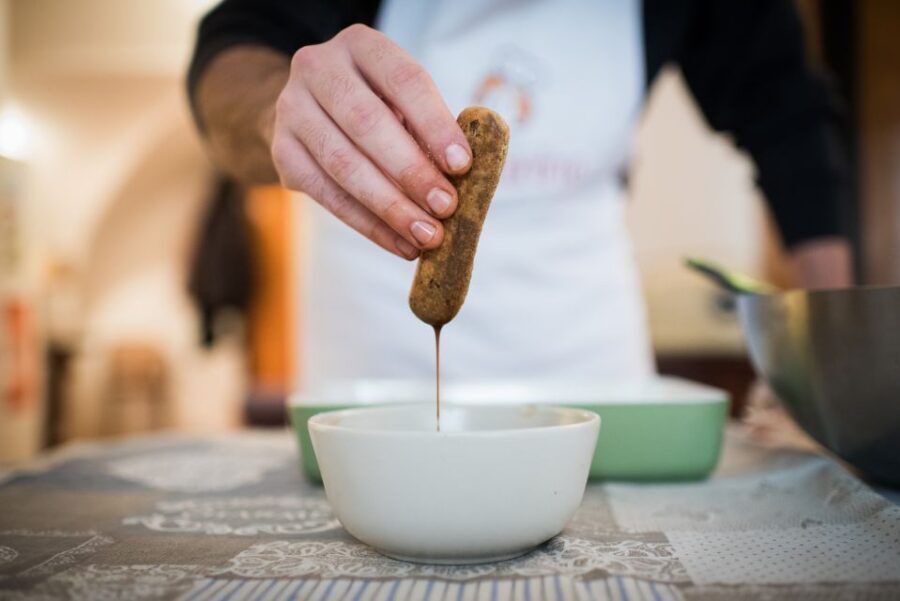
- Tiramisu in a Home Kitchen: The Dessert You’ll Actually Recreate
- Aperitivo, Wine, and the Small-Group Advantage (Up to 10)
- What You’re Paying For: Value of $243.56 per Person
- Getting to the Home: 3–6 km Outside Positano and a Privacy-First Address
- Who This Cooking Class Suits Best in Campania
- Should You Book This Positano Pasta and Tiramisu Class?
- FAQ
- FAQ
- How long is the Positano pasta and tiramisu cooking class?
- Is this a small-group experience?
- What do you cook during the class?
- What drinks are included?
- Where does it take place?
- Is the instructor available in English?
- Is it wheelchair accessible?
Key Points That Make This Positano Cooking Class Worth Your Time
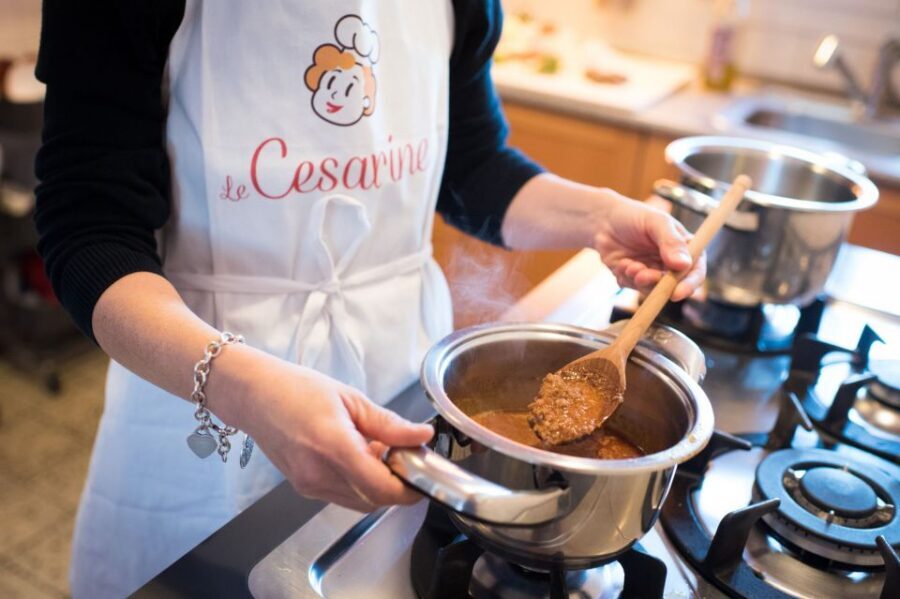
- Cesarine home cooks in the Positano area teach from their own routines, not a demo script
- Aperitivo before you cook: prosecco and nibbles set the tone
- Hand-rolled sfoglia is the core skill, taught step-by-step
- Two pasta recipes plus tiramisu, with tasting as you go
- Small group (max 10) means you can actually ask questions
- 3 hours long, so it’s long enough to learn, not so long you’re stuck bored
Cooking in a Real Positano-Area Home, Not a Classroom Kitchen
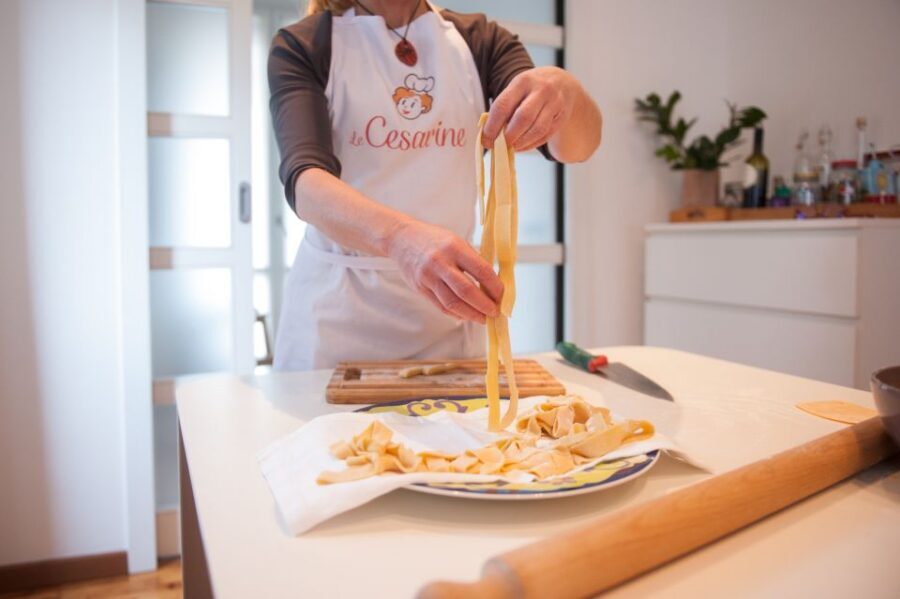
If you’re in Positano, you’ve probably already had your share of gorgeous dining rooms. This experience goes in a different direction: a local home about 3–6 km from Positano, set up so you can cook as a guest turned kitchen helper.
That home setting matters. You’re not just watching someone plate food. You’re learning how dough behaves when it’s handled by real people with real timing. In sessions led by hosts like Rocco and Carla, or Chef Antonio, the mood stays relaxed while the instruction is serious about ingredients and technique.
It also helps that it’s part of the Cesarine network. Cesarine means home cook, and the model is built around family recipes and regional choices. You’ll typically be in the care of an Italian instructor who also speaks English, so you can follow the steps and still understand the why.
You can also read our reviews of more cooking classes in Positano

Your 3-Hour Rhythm: Aperitivo, Two Pastas, Tiramisu
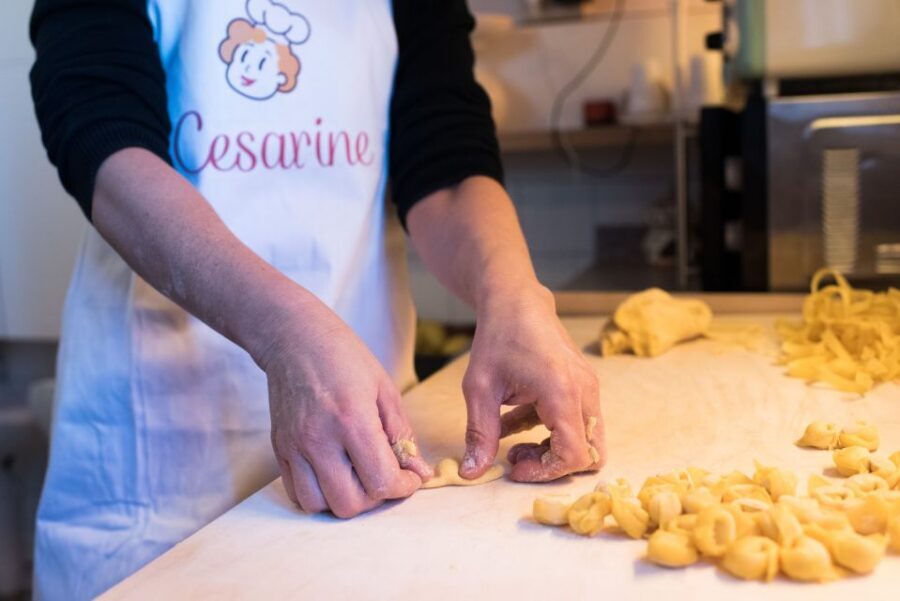
This is a 3-hour class. That timing is a big part of why it feels doable. You’re not committing to an all-day “food pilgrimage.” You get enough time to make a mess, learn the core moves, and sit down to taste.
Here’s the flow you should expect:
- You warm up with an Italian aperitivo (prosecco and nibbles).
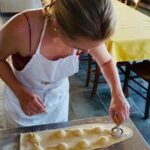
- Then you get cooking: roll fresh pasta dough (sfoglia) by hand.
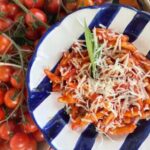
- You make two iconic pasta types from scratch.
- Then you make the iconic tiramisu.
- You taste everything you made, paired with local wine or prosecco.
What makes this structure work is that it cycles between technique and reward. Dough and shaping can be frustrating if you’re alone. Here, you’re guided, corrected, and then fed what you produced.
And yes, the social piece is real. Many hosts (for example, Antonio and Andriana) are described as lively, with plenty of conversation around cooking and wine. It’s that mix of instruction plus hospitality that makes the session feel like an afternoon you’ll remember, not a chore you ticked off.
Learning Hand-Rolled Sfoglia: The Skill That Transfers Everywhere
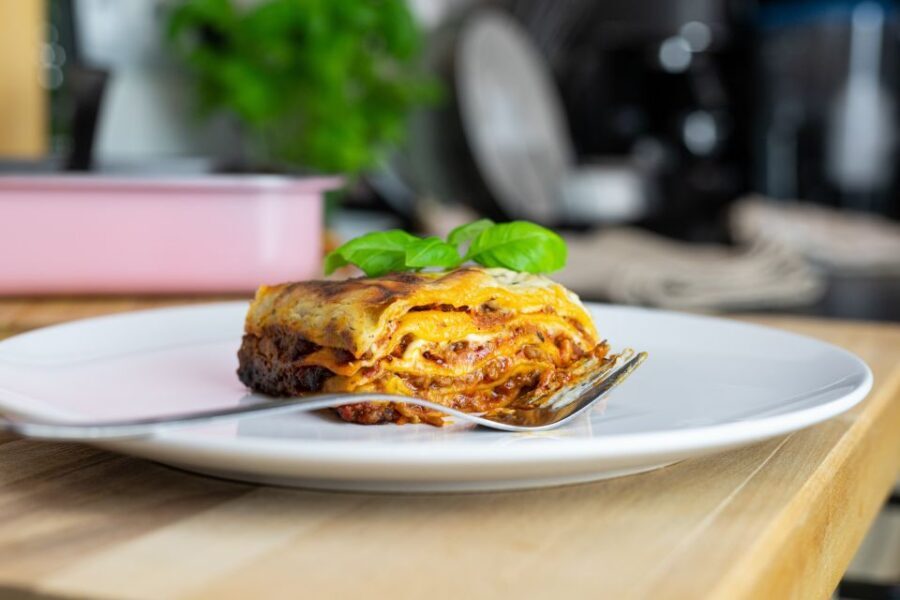
Let’s talk about sfoglia, because it’s more than a line in a brochure. Hand-rolling fresh pasta dough teaches you the texture that makes Italian cooking different from packaged shortcuts.
In a home class like this, you learn what the dough should feel like as it comes together, and how it changes as you roll. The big win for you is muscle memory. Once you understand the dough feel, cooking pasta at home in your own kitchen becomes less mysterious.
The instructors also tend to connect the technique to local habits. That matters in Campania, where pasta culture is deeply normal, not tourist theater. You get the sense that these methods were learned at a kitchen table, not in a cookbook’s margin.
One practical tip: go into this expecting to work with your hands. Wear sleeves you don’t mind adjusting. Fresh dough and flour can be messy. That’s part of the point.
Two Iconic Pastas From Scratch: Skills Plus Real Food
The class is designed to teach you two iconic pasta types, made from scratch. Even if you’re not sure which two, the underlying value stays the same: you practice more than one approach to dough and shape, so you learn what changes when pasta changes.
One standout example from an Antonio-led session was gnocchi with bolognese sauce, described as the best gnocchi people had in Italy. Even if your class doesn’t include that exact dish, it signals the kind of standard you should expect: classic, familiar Italian comfort food, cooked with pride.
You’ll also taste the pasta you made. That sounds obvious, but it’s often skipped in other formats where you only eat after someone else handles the final steps. Here, tasting is built in, which means you can connect what you did to what you’re tasting.
Two pasta types also help you avoid the “one dish and done” feeling. There is a small consideration to note: one person reported a disappointment about not making two pasta types in their particular session. If you’re set on getting both recipes, I’d ask the host at the start how the schedule will work for your group.
Tiramisu in a Home Kitchen: The Dessert You’ll Actually Recreate
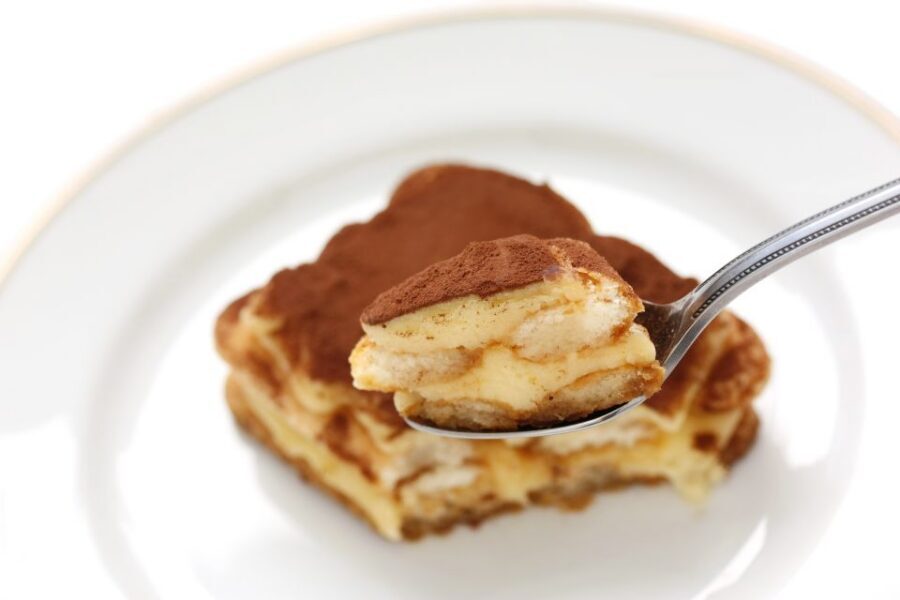
Tiramisu is famous for a reason. It’s also famous for being ruined by shortcuts. A lesson like this is valuable because you get the method, not just a final plate.
You’ll learn to make the iconic tiramisu as part of the same 3-hour session, and you’ll taste it afterward. That combination matters. If you can taste right away, you can adjust your approach for next time.
This is also where the host’s personality shows up. Some hosts—like Carla and Rocco—are praised for making instruction clear while keeping things fun. Others (like Sergio) are described as especially authentic, with a strong sense of local pride. Either way, the goal is that you leave with a repeatable dessert routine.
If you’re thinking about bringing tiramisu back to your home kitchen, this class is the kind that gives you the confidence to do it again without guessing.
You can also read our reviews of more tours and experiences in Positano


Aperitivo, Wine, and the Small-Group Advantage (Up to 10)
The class caps at 10 participants, and that’s a sweet spot for cooking instruction. You’re not fighting for attention. You’re not standing in a line waiting to ask one question. In a home environment, fewer people just makes everything easier.
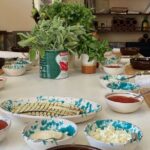
Before the cooking even starts, you get an Italian aperitivo with prosecco and nibbles. That’s not just a drink ticket. It signals the pace of the afternoon: casual, sociable, and geared toward enjoyment while you learn.
During tasting, you’ll have local wine or a glass of prosecco. That pairing is part of the “why it works” factor. Fresh pasta and dessert both benefit from a proper beverage—something that lets the flavors speak without turning it into a syrupy sugar burn.
If wine is part of your travel joy, this class is a good fit. For example, hosts described alongside Andriana were praised for wine knowledge and conversation. Even if wine isn’t your main focus, it makes the meal feel complete.
What You’re Paying For: Value of $243.56 per Person
At $243.56 per person, this isn’t a cheap impulse book. But it includes a lot that often costs extra elsewhere.
Here’s what’s included:
- Beverages: water, wine, coffee
- Italian aperitivo: prosecco and nibbles
- Local taxes
- Ingredients for pasta (2 recipes) and tiramisu
- Tasting of the 2 pasta recipes and tiramisu
For many cooking classes, the price covers instruction plus ingredients, but wine and taxes can be the catch. Here, those are folded in. You’re also paying for the host’s home setting and their time to guide up to 10 people through real cooking.
Is it still expensive? Yes. But when you look at the full package—3 hours of active teaching, multiple dishes, and drinks included—it lands closer to a premium food experience than a basic workshop.
If you compare it to eating out twice in Positano, the math depends on your restaurant choices. Still, if you care about learning a skill you’ll repeat, the value shifts toward this class.
Getting to the Home: 3–6 km Outside Positano and a Privacy-First Address
This experience happens in a local home 3–6 km from Positano. That’s close enough to feel connected, but far enough that you’re not just crossing the street from a landmark.
For privacy, you don’t get the full address until after booking. The idea is simple: it’s someone’s house, not a storefront. You’ll receive the full address of your Cesarine host after you book, and they’ll match you with the right person based on what you need.
Before the experience, you’ll be asked for details such as:
- food intolerances and allergies
- the neighborhood you’re staying in
- how you plan to travel to the host home
That matching step is one of the quiet strengths here. It reduces the chance of a mismatch or a last-minute headache for someone hosting you in their kitchen.
There’s one clear limitation: this class is not suitable for wheelchair users. If mobility is a factor for you, plan accordingly.
Who This Cooking Class Suits Best in Campania
This class fits best if you want a hands-on food experience with minimal performance and maximum contact.
You’ll likely enjoy it if:
- you want to learn fresh pasta technique (especially rolling sfoglia)
- you like Italian cooking that’s practical and family-driven
- you enjoy conversation with local hosts and a drink included
- you prefer small-group settings over large tours
It’s also a solid choice for couples or small friend groups who like doing an activity together that’s not based on lines, tickets, or crowds.
You might think twice if you’re expecting a big bus-style excursion with nonstop sightseeing. This is a cooking class. The payoff is the skill and the meal, not the photo stops.
Should You Book This Positano Pasta and Tiramisu Class?
My take: book it if you want a real culinary skill, not just another meal. The combination of hand-rolled sfoglia, two pasta recipes, and tiramisu in a small group, plus wine/prosecco and aperitivo, is exactly the kind of experience that turns a vacation into something you can recreate.
I’d book it sooner rather than later if you’re traveling during peak season, because small group size (up to 10) usually means limited availability.
And if you have specific needs or expectations about the two pasta types, send the details during booking so your host can match you well. That small step can make the whole afternoon feel smoother.
FAQ
FAQ
How long is the Positano pasta and tiramisu cooking class?
The class runs for 3 hours.
Is this a small-group experience?
Yes. It’s limited to 10 participants.
What do you cook during the class?
You’ll learn to roll fresh pasta dough (sfoglia) by hand, make 2 iconic pasta types from scratch, and make tiramisu.
What drinks are included?
You’ll get beverages including water, wines, and coffee. You’ll also start with an Italian aperitivo of prosecco and nibbles, and you’ll taste your dishes with local wine or prosecco.
Where does it take place?
It’s held in a local home about 3–6 km from Positano. For privacy, you receive the full address after booking.
Is the instructor available in English?
Yes. The instructor teaches in Italian and English.
Is it wheelchair accessible?
No, it’s not suitable for wheelchair users.