REVIEW · POSITANO
Hands-On Pasta and Tiramisu Class in Positano with Local Family
Book on Viator →Operated by Cesarine: Cooking Class · Bookable on Viator
Cooking in someone else’s home changes everything. You get real pasta-making practice and then sit down family style in a local house—no big-studio vibe. For me, the best part is how the Cesarine teach the dishes as they actually cook them at home, and the group stays small (max 12). One thing to consider: timing and the exact meeting/address details matter a lot because the class happens in private homes, sometimes in the wider Positano–Praiano area.
I’m also a fan of how the menu focuses on what makes this coast different: fresh pasta shapes like paccheri or gnocchi, plus classic tiramisù for dessert. You’ll likely get homemade bread and drinks along the way, and the hosts often share personal family recipes and local tips. The possible drawback is logistics: some bookings report confusion about directions or the meeting point, so you’ll want to double-check the exact address details that come after booking.
Key Takeaways
- Hands-on pasta + tiramisù taught in a home kitchen, not a demo
- Small group (12 max), with a more personal rhythm and lots of help
- Family-style meal with your host and group after cooking
- Positano-area character: coastal know-how and local ingredients show up in how you cook
- Plan for private-home logistics: the exact address details come after you book and may be near Praiano
In This Review
- Cooking in a Positano Home, Not a Big Cooking School
- Meet Your Cesarine Host: Welcome, Pace, and Real Family Advice
- The Menu You’ll Cook: Fresh Pasta Shapes and Tiramisù
- What Happens After You Cook: Family-Style Eating and Local Drinks
- Small Group Size: Why Max 12 Changes the Whole Experience
- Positano vs Praiano: Getting to the Right Home
- Price and Value: Is $203.95 Worth It?
- Who Should Book This Class (and Who Might Prefer Something Else)
- Should You Book This Positano Pasta and Tiramisu Class?
- FAQ
- FAQ
- How long is the cooking class?
- What dishes will we make?
- Is the class hands-on?
- How large is the group?
- Is the class offered in English?
- Where does the class start?
- Do I get a mobile ticket?
- Is it easy to get to?
- What if I need to cancel?
- What happens if the minimum number of travelers isn’t met?
Cooking in a Positano Home, Not a Big Cooking School
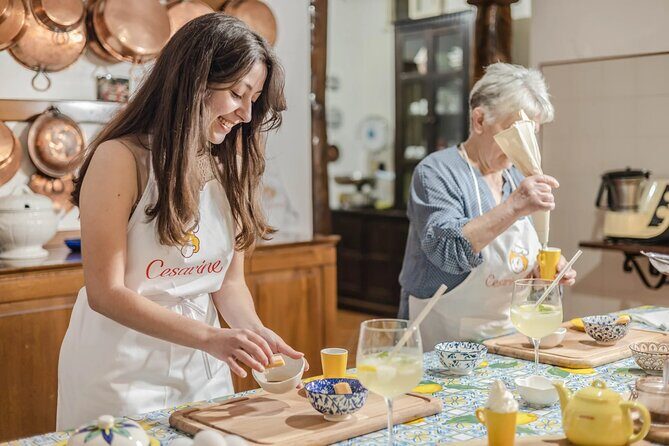
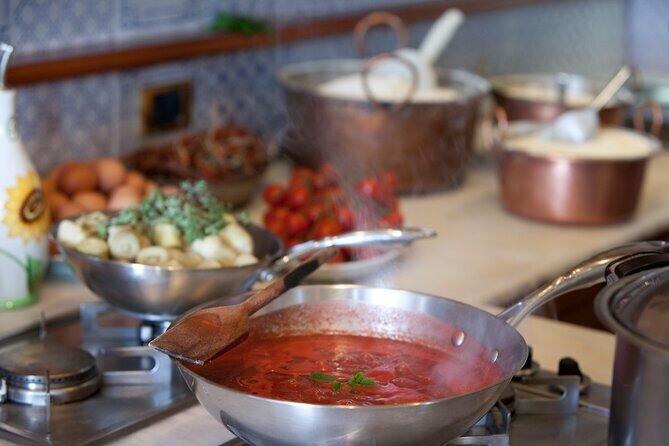
A Positano cooking class can easily turn into a scripted show. This one stays closer to real life: you’re welcomed into a local home by a Cesarine, the term used for hosts who cook and teach in their own kitchens. The setting is part of the experience. You’re not watching from the sidelines—you’re working at the counter, shaping pasta, and learning what to look for as you go.
Why this matters for you: a home kitchen teaches you things that a classroom usually skips. You see the rhythm, the small adjustments, and the way the host explains the dish in plain terms. In multiple experiences connected to this format, hosts like Rocco and Carla (Praiano) or Rubina and Valeria have been praised for making people feel at ease, including families with kids.
One practical note: the experience is about three hours, and the class ends back at the meeting point. That’s enough time to learn, cook, and eat without rushing through everything like a quick tasting stop.
Meet Your Cesarine Host: Welcome, Pace, and Real Family Advice
Your host is the heart of the evening. The format is a shared class in a carefully selected local home, with a group size capped at 12. Many of the best parts people describe are not just the recipes, but the way the hosts teach—friendly, flexible, and focused on getting you to succeed.
You might start with a welcome that can include drinks and little bites. In reviews tied to this experience style, people mention homemade bread plus wine, and in some sessions, hosts also served homemade liqueur or limoncello-style touches. You may even get extra flavor lessons from what the host grows or keeps at home (some hosts reportedly use garden herbs or farm-to-table ingredients).
Also, don’t underestimate the advice you’ll pick up beyond the food. Hosts are often quick with practical recommendations about where to eat along the Amalfi Coast and how to think about ordering or timing.
You can also read our reviews of more tours and experiences in Positano



The Menu You’ll Cook: Fresh Pasta Shapes and Tiramisù
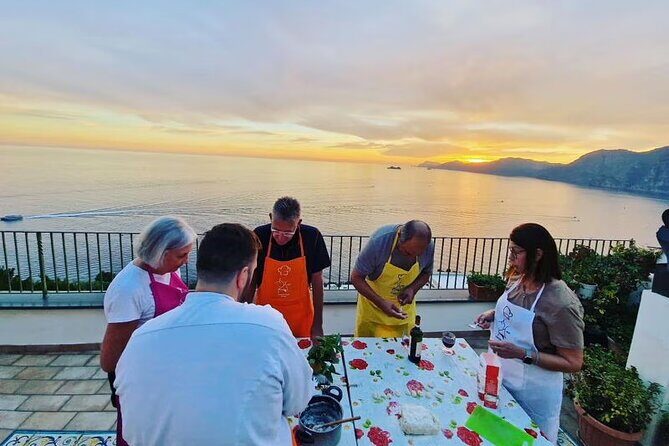
The sample menu is built around two anchors: fresh pasta and tiramisù. The pasta part isn’t limited to just one shape. Depending on the session, you may work with any of these: paccheri, gnocchi, scialatielli, ravioli, or maccaroncelli. That variety is valuable because you’ll learn how different shapes handle sauce and texture differently.
Here’s what you should expect from the hands-on pasta section:
- You’ll learn how to shape the pasta you’re making (for example, gnocchi or ravioli show up often in this format).
- You’ll work alongside the host and your group so you’re not stuck watching someone else cook.
- You’ll get guidance as you handle dough, portioning, and assembly.
A repeated highlight is that the teaching style works even if you’re not a confident cook. People have described hosts stepping in to help basic chefs move from idea to finished pasta without making it feel complicated.
Then comes dessert: tiramisù. This is the kind of recipe that benefits from a teacher who can show the texture cues. In multiple accounts of this class style, people specifically remember tiramisù as a true finish to the meal—something you made, then ate, not something pre-made for you.
What Happens After You Cook: Family-Style Eating and Local Drinks
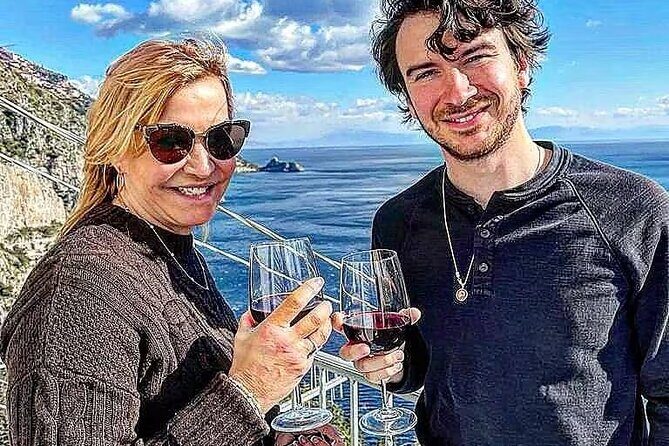
After the cooking, you sit down to eat what you made. The experience is described as family style, meaning you eat with your host and the group rather than splitting off into separate tables like a tour bus meal. That alone can make the three hours feel warmer and less transactional.
What’s likely to be on the table while you eat:
- Your finished pasta creations
- The tiramisù dessert
- Often some homemade bread
- And typically drinks such as wine
Some hosts are also known for sharing homemade alcohols, including herb-based liqueurs or similar coastal favorites. Even if your session doesn’t include a special liqueur moment, the point is the same: the meal is built to feel like an evening with locals, not a factory tour of food.
If you’re going with family, this part can be surprisingly smooth. At least a few sessions in this style have been praised for being welcoming with children, with hosts adapting so kids aren’t just sitting there while adults cook.
Small Group Size: Why Max 12 Changes the Whole Experience
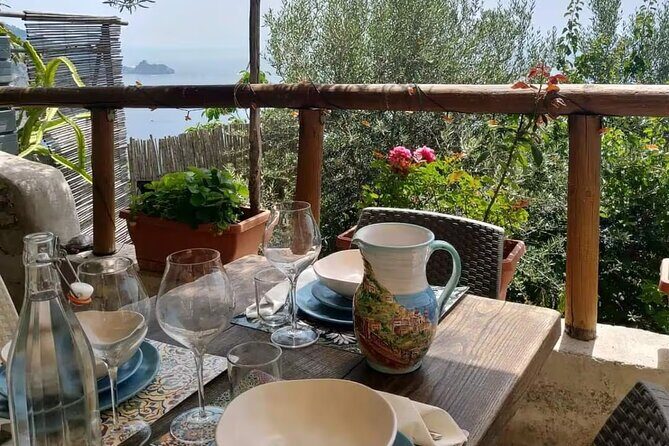
Max 12 matters more than it sounds. In a class this short, a big group can mean crowded workstations and less time for questions. Here, the cap keeps the energy manageable and makes it easier to get hands-on help.
In real terms, you’ll likely get:
- More direct coaching from your host
- Time to ask practical questions while you’re still working
- A group vibe that’s social but not overwhelming
Some sessions have even been described as very small (like groups of four, or a parent and child dynamic). That’s the best-case scenario, and it’s also a reason to book earlier if you can.
Potential drawback: one negative account mentioned feeling cramped. That’s a reminder that private homes vary. If you’re sensitive to tight spaces, arrive ready for a lived-in kitchen and smaller seating areas.
Positano vs Praiano: Getting to the Right Home

The meeting point is listed as 84017 Positano, SA, Italy, and the tour ends back there. Also, the start point is near public transportation, which is helpful on the Amalfi Coast where driving can be a headache.
But here’s the practical consideration: private-home classes can land in the broader area. Some people have reported the class taking place in nearby towns such as Praiano. That’s not automatically bad, but it does mean you should:
- confirm your exact address after booking (private-home details may not be shared upfront for privacy reasons)
- check again close to the start time
- build extra buffer into your arrival plan
The “pro” move is simple: if you’re using directions from a booking platform, don’t assume the generic map pin equals the front door. Make sure you have the actual host address details when you leave your hotel.
Also, if you’re late, you may lose your spot. One host-related response described situations where late arrival affected whether the class could still accommodate you, even if the host tried to offer an alternative. So plan to be early enough to handle winding roads, bus schedules, and finding the building.






Price and Value: Is $203.95 Worth It?
$203.95 per person isn’t cheap. But the value depends on what you want out of the Amalfi Coast.
This experience can feel like good value if you care about:
- hands-on cooking (not just watching)
- eating what you made
- a small group in a home setting with a real Cesarine host
- learning a couple of iconic dishes you can actually remake later
You’re paying for more than food. You’re paying for access—someone opening their home, teaching the process, and hosting you through the full meal. Many people also mention that drinks are part of the evening (wine, and sometimes homemade liqueur), which helps stretch the “per-person experience cost” into something more like a full night out.
Where value can feel weaker:
- when logistics get messed up and you don’t reach the correct home
- if the class focus feels more social than instructional for your tastes
- if you expect extensive sauce-making instruction and your particular session doesn’t match that depth
My practical advice: go in with realistic expectations. This is a short class that produces a meal. If you’re looking for a step-by-step sauce deep dive, you may need a longer or more specialized format. If you want a fun, guided way to make fresh pasta and tiramisù in a local home, the price can make sense.
Who Should Book This Class (and Who Might Prefer Something Else)
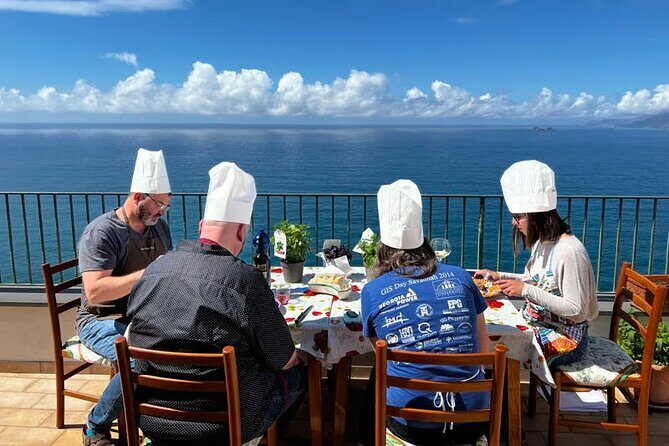
You’ll likely love this if:
- you want a hands-on Positano pasta making experience
- you like local hosts and family-style meals
- you enjoy short, focused classes where you learn, cook, and eat within the same evening
- you want a small group (max 12) instead of a crowd
You might think twice if:
- you hate private-home logistics and tight meeting details
- you need a very strict schedule and cannot adjust if your session is in the wider area
- you’re expecting a long, comprehensive cooking course with deep technique drills
Also, it’s a good fit if you’re traveling with friends who want an activity that feels different from beach time and restaurant hopping. The cooking part gives you a shared memory that’s more than a photo.
Should You Book This Positano Pasta and Tiramisu Class?
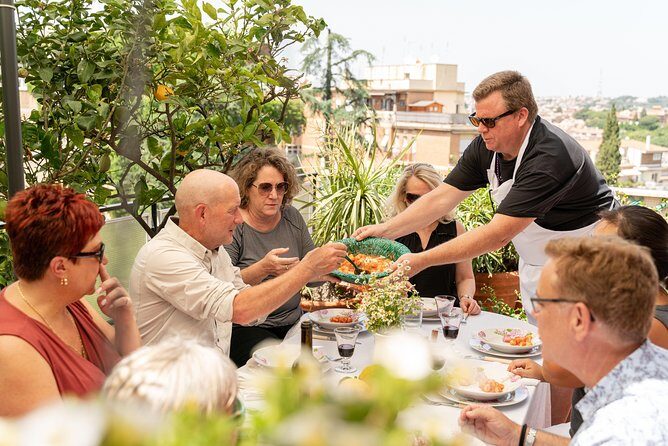
Book it if you want an Amalfi Coast evening that feels local: small group, hands-on pasta, then tiramisù at a table with the people teaching you. The repeated strengths are clear—warm hosts (Rocco and Carla, Rubina and Valeria, Sergio, Antonio, and others in this format), a cozy home setting, and the fact that you actually make the meal.
Skip or switch plans if you’re the type who struggles with direction changes, or if your schedule is so tight that arriving late would be a problem. Private-home classes reward prep: confirm the real address details you receive after booking, head out early, and don’t rely on a generic pin.
If you do that, you’re set up for an experience that’s about food, yes—but also about how locals actually spend time together.
FAQ
FAQ
How long is the cooking class?
It runs for about 3 hours.
What dishes will we make?
The sample menu includes fresh pasta (such as paccheri, gnocchi, scialatielli, ravioli, or maccaroncelli) and tiramisù for dessert.
Is the class hands-on?
Yes. It’s described as a hands-on cooking class where you cook and then eat what you make.
How large is the group?
The class has a maximum of 12 travelers.
Is the class offered in English?
Yes, it’s offered in English.
Where does the class start?
The meeting point is listed as 84017 Positano, SA, Italy, and the activity ends back at the meeting point.
Do I get a mobile ticket?
Yes, the experience includes a mobile ticket.
Is it easy to get to?
The start location is near public transportation.
What if I need to cancel?
Cancellation is free up to 24 hours in advance for a full refund.
What happens if the minimum number of travelers isn’t met?
If it’s canceled because the minimum isn’t met, you’ll be offered a different date/experience or a full refund.