REVIEW · POSITANO
Positano: Small-group Cooking Class at a Local’s Home
Book on GetYourGuide →Operated by Cesarine · Bookable on GetYourGuide
Dinner-level cooking, inside a local home. In a small-group class, an expert home cook in Campania helps you make an appetizer, pasta dish, and dessert from scratch, then you sit down for what you cooked. You also learn the why behind Italian flavors through a host who shares their family approach to regional recipes in a warm home setting.
I especially like two things: the hands-on three-course format (no standing around watching), and the fact that tasting is part of the lesson, with local wines served alongside your meal. One thing to plan for: you won’t get the full address until after you book, and sessions can involve travel a bit outside the main Positano area, so build in some buffer time.
In This Review
- Key highlights worth circling
- A small-group class that’s more dinner than demo
- What you’ll cook: appetizer, fresh pasta, and a typical dessert
- Appetizer
- Pasta dish
- Dessert
- Your workstation setup, and why it makes learning faster
- Tasting your meal with local wine (and coffee)
- How the Cesarine host network shapes the experience
- Positano logistics: privacy-first addresses and possible short commutes
- Who this cooking class fits best
- Price and value: is $243.56 fair for 3 hours?
- Practical expectations: language, pace, and what to bring
- Should you book this class in Positano?
- FAQ
- How long is the cooking class?
- How big is the group?
- What will I cook during the class?
- Do I get to taste what I make?
- Are drinks included?
- What’s included in the price?
- What languages are used for instruction?
- Where do we meet, and how do we find the address?
- Is the experience wheelchair accessible?
- What if I have food allergies or intolerances?
- Can I pay later or cancel if plans change?
Key highlights worth circling

- Three dishes, from scratch: appetizer, pasta, and dessert, all made at your own workstation.
- A home-cook teacher with family stories: hosts often share local specialties and the reasoning behind regional traditions.
- Wine and coffee with your meal: you taste what you made, paired with a selection of red and white local wines.
- Tight group size (up to 10): easier conversation, more attention, and less chaos in the kitchen.
- English + Italian instruction: taught in the language you need for confidence while cooking.
- Cesarine home-cook network: draws from a long-running network of home chefs across Italy.
A small-group class that’s more dinner than demo
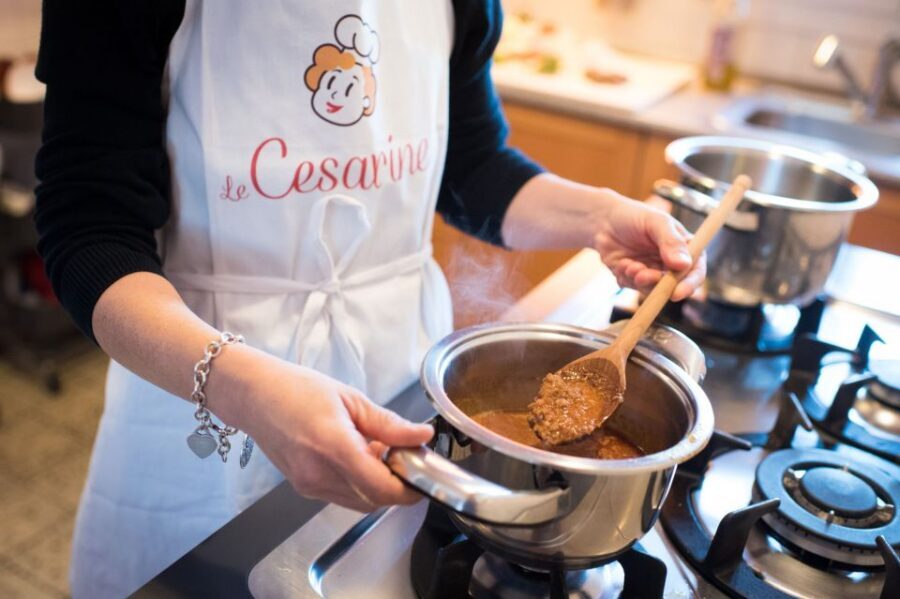
This is the kind of activity that feels like getting invited to a local home, not booked into a mass-produced show. You’re in a shared cooking class with a limited group size (up to 10 participants), which changes the whole vibe. It’s easier to ask questions, compare notes on technique, and actually learn what your hands are supposed to do.
The format is built around a friendly, practical flow: you prepare three recipes, then you taste them together. That matters in Italy, where good food isn’t just ingredients—it’s timing, texture, and small choices. A home cook guiding you in real time helps you pick up those details fast.
You’ll also be dealing with real home-style cooking rather than kitchen theatre. Your workstation includes the utensils and ingredients you need, so you’re not hunting for supplies or scrambling to figure out what goes where.
You can also read our reviews of more cooking classes in Positano


What you’ll cook: appetizer, fresh pasta, and a typical dessert
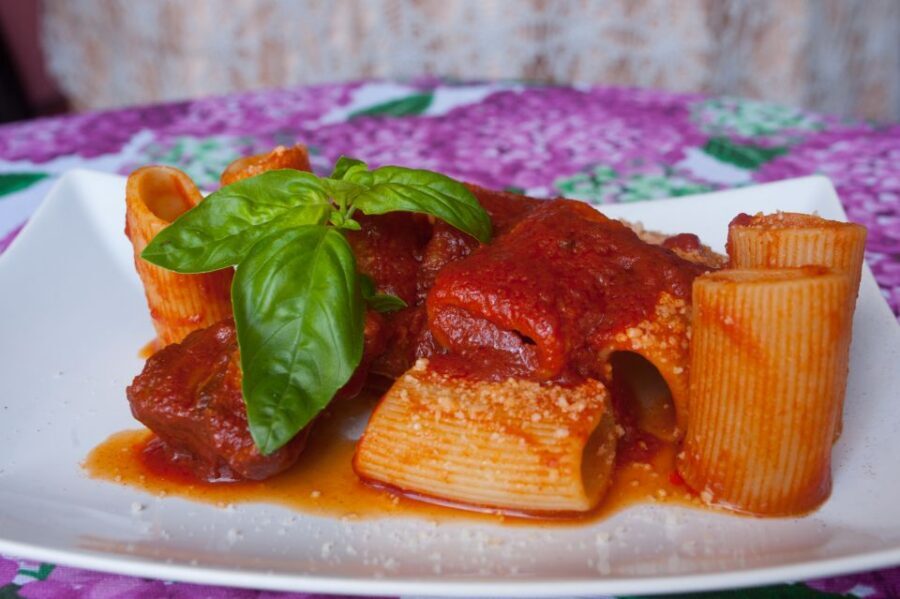
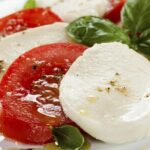
The class is structured around three specific parts of an Italian meal. The menu style follows a clear pattern: a starter with seasonal ingredients, then fresh pasta of the region, and a typical dessert.
Appetizer
You’ll start with a seasonal starter. The emphasis here is on Italian flavor logic: keep it fresh, balance salt and acid, and don’t overcomplicate. Even if you’re not a confident cook, this is a great first step because appetizers are usually the “taste and adjust” stage—perfect for learning how seasoned, layered Italian cooking works.
Pasta dish
Next comes the pasta course. Since the class focuses on fresh pasta from the region, you’ll get a hands-on look at what makes fresh pasta different in feel and result. The biggest payoff for you is learning how pasta “behaves”—how it cooks, how it should feel, and how sauce should meet pasta instead of just sitting on top.
This is also the part that tends to stick with people. Once you’ve made fresh pasta once, ordering pasta in Italy feels easier to understand. You start noticing the differences that make one dish feel right and another feel flat.
Dessert
Finally, you’ll make a typical dessert. This is where you’ll learn that Italian desserts don’t always mean heavy sweetness. They’re often about texture, simple ingredients used well, and getting the finish just right.
And because you’ll eat everything you make, dessert isn’t an afterthought. You can taste how the method affects the final result.
You can also read our reviews of more tours and experiences in Positano



Your workstation setup, and why it makes learning faster
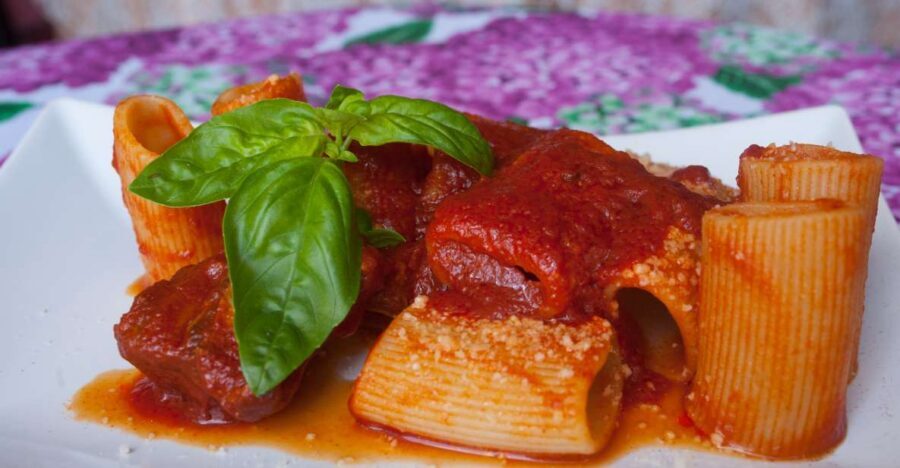
This isn’t a “watch and hope” setup. Each participant has a workstation equipped with utensils and the ingredients to cook the menu. That matters because cooking is physical knowledge. If you have to wait your turn, or if you’re stuck without what you need, you miss the rhythm.
A few practical notes for you:
- Wear comfortable clothes with sleeves you can manage while cooking.
- Expect to get a little flour or sauce on your hands. That’s normal in classes like this.
- Bring a curious mindset. If you ask a simple question early, you’ll understand the rest of the lesson more easily.
The small group size (up to 10) also helps. You’re less likely to get lost in the shuffle, and more likely to get quick guidance when something doesn’t go right.
Tasting your meal with local wine (and coffee)
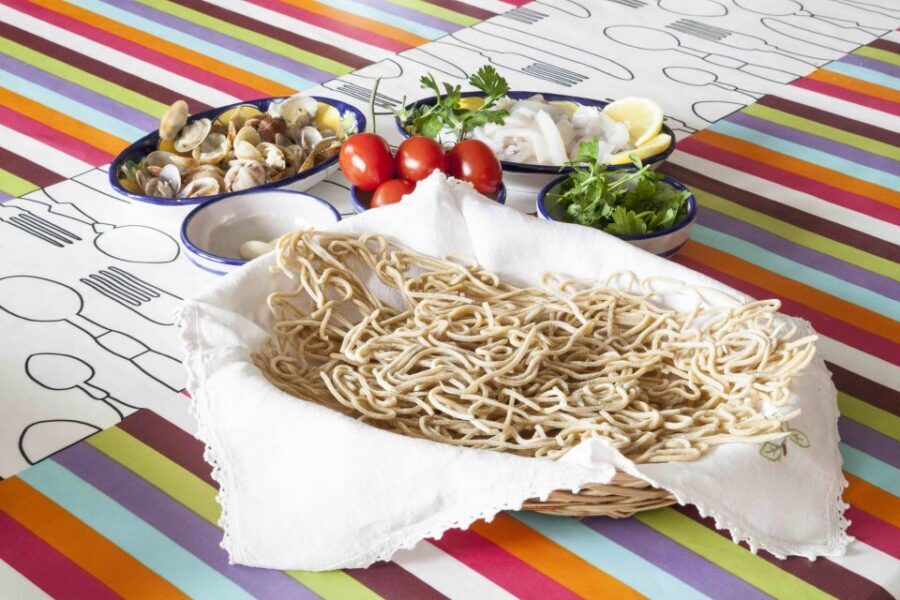
After cooking, you sit down and taste the three recipes you made. Drinks included: water, local wines, and coffee. The wines include a selection of both red and white, which is useful because it keeps the pairing flexible across the courses.
Why this pairing is more than a nice bonus: in Italian cooking, the wine isn’t only about drinking. It’s about matching flavor intensity. Even a basic red can change how you experience sauce richness, and a white can brighten a starter or pasta course. You’ll feel those differences as you go.
You also get a social element during the meal. The experience is designed around chatting with the host, like you’re sharing a glass with a welcoming Italian family.
In other words, you get two benefits in one: you learn how to cook, then you learn what the result should taste like.
How the Cesarine host network shapes the experience
This is run through Cesarine, Italy’s long-running home-cook network. It connects travelers with more than 1000 home cooks across 500+ cities. That scale might sound huge, but the practical effect for you is consistency in the experience style: real home kitchens, real cooks, and a focus on regional tradition.
Hosts are described as passionate and welcoming, opening their homes to travelers for hands-on culinary experiences. Many hosts also serve local specialties linked to their family cookbooks, so you get story along with recipe. That kind of context helps you understand why a dish tastes the way it does, not just how to copy it.
It’s the difference between learning a recipe and learning a method.
Positano logistics: privacy-first addresses and possible short commutes

Here’s the part you need to plan so the night stays stress-free.
For privacy, you only receive the full address after you book. Until then, you’ll only have enough information to know where the experience begins at the meeting point. Once the booking is confirmed, the host details—including telephone and full address—are sent to you.
Also, keep in mind location can be a little fluid. In at least one past case linked to this format, the experience ran in Priano instead of central Positano, and participants had to account for the commute. So before you assume it’s right in Positano’s most convenient zone, plan for a short ride.
If you want this to be smooth, follow the prompt they request: share your neighborhood in Positano and how you plan to travel to the host’s home. That helps match you with a cook you can actually reach without turning your class into a transportation puzzle.
Who this cooking class fits best
This is a good match if you:
- Want a hands-on food experience, not a lecture.
- Like small groups and conversation while you cook.
- Want Italian food taught through a home cook’s choices and regional logic.
- Plan a trip around Naples-area flavors and want a Campania-focused meal.
It’s less ideal if you:
- Need wheelchair access. The activity is not suitable for wheelchair users.
- Prefer everything to be fully “map-and-go” with an exact address in advance.
Price and value: is $243.56 fair for 3 hours?
Let’s talk value honestly. At $243.56 per person for a 3-hour small-group class that includes instruction plus a full tasting with wine and coffee, you’re paying for several things that don’t show up on cheaper group tours:
- Your time with a real home cook in a limited group (up to 10 people).
- The fact that you make three courses yourself: appetizer, fresh pasta, and dessert.
- Ingredients and utensils included, so you’re not buying supplies separately.
- A sit-down tasting with local wines plus coffee.
If you’ve ever tried to learn cooking from videos, you know the missing piece is feedback. Here, you get real-time help while you work, then you test the final result immediately by eating your own food. That feedback loop is why the price can make sense—especially in a place like the Amalfi Coast where access and time are expensive.
The biggest value tip for you: treat it as an experience, not just a meal. If you show up with curiosity and plan for getting there on time, it becomes a highlight that pays you back for days after you leave.
Practical expectations: language, pace, and what to bring
The instructor teaches in Italian and English, so you should be able to follow even if your Italian is basic. The pace is paced for a cooking class, not a restaurant speed run. You’ll have time to participate and learn steps as you go.
What to bring:
- Comfortable clothes and shoes for kitchen work.
- Any info about dietary needs or allergies. Cesarine asks you to provide food intolerance and allergy information so your host can plan appropriately.
If you’re sensitive to ingredients, send that information when booking or email the provider with your booking reference and name. That’s not a “nice to have” here—it’s part of the matching process.
Should you book this class in Positano?
If your goal is to learn Italian cooking in a way that feels personal and practical, this is a strong choice. The small group, hands-on preparation of three dishes, and included tasting with local wines make it more than a meal. It’s an experience you can bring home as skills and a better sense of how Italian food is built.
Book it if you:
- Like home-style, hands-on learning.
- Enjoy wine with your meal.
- Are comfortable getting the exact address after booking and handling a possible short commute.
Skip it if you:
- Need wheelchair access.
- Want a fully fixed, map-ready starting address ahead of time.
- Don’t want to travel a bit beyond the exact Positano center.
FAQ
How long is the cooking class?
The class lasts 3 hours.
How big is the group?
It’s a small group limited to up to 10 participants.
What will I cook during the class?
You’ll prepare an appetizer, a pasta dish, and a dessert, all from scratch.
Do I get to taste what I make?
Yes. You’ll taste the three recipes you prepare, with included beverages.
Are drinks included?
Yes. Drinks included are water, local wines, and coffee.
What’s included in the price?
The price includes local taxes, the shared cooking class, tasting of the three recipes, and beverages (water, wines, coffee).
What languages are used for instruction?
The instructor teaches in Italian and English.
Where do we meet, and how do we find the address?
The activity starts at a meeting point. For privacy, you only receive the full address after booking.
Is the experience wheelchair accessible?
No. It is not suitable for wheelchair users.
What if I have food allergies or intolerances?
You’ll be asked to provide food intolerance and allergy information at booking (or by email) so your host can be matched and prepared.
Can I pay later or cancel if plans change?
Yes. You can reserve now & pay later, and you can cancel up to 24 hours in advance for a full refund.