REVIEW · POSITANO
Positano: Small Group Cooking Class with Prosecco & Dessert
Book on GetYourGuide →Operated by Naples Together · Bookable on GetYourGuide
Cooking in Positano feels personal. You get a chef-led hands-on class that teaches you how to build an Amalfi Coast style meal from appetizer through dessert, with real menu choices and guidance. I especially like the mix of practical skill-building and the guarantee you’ll leave with a recipe book covering everything you make.
The class is designed for a small group (limited to 10), so the chef can actually talk you through what matters. I also like that you’re not just cooking then racing off: your meal comes with a glass of local white, red, or Prosecco, plus coffee or cappuccino.
One possible drawback to consider is the price: at $234.50 per person it’s more of a splurge than a budget activity. Also, it’s not suitable for children under 12, and baby strollers are not allowed.
In This Review
- Key Highlights Worth Your Time
- A 3-Hour Amalfi Coast Cooking Class That Feels Like a Real Meal
- Meeting Point, Timing, and What to Expect on Arrival
- The Menu Choices: How Your Appetizer, Pasta, and Dessert Are Built
- Appetizer Options That Set the Tone
- First Course: Pick Your Pasta (or Risotto) Style
- Second Course: Meat or Fish, Then You Eat the Finish
- Dessert Choices That Feel Like Positano’s Sweet Side
- What You’ll Learn While You Cook (Beyond Just Following Steps)
- Wine and Coffee: The Social Part of the Meal
- The Positano Setting: Why Location Changes the Taste
- Dietary Options: Gluten-Free and Lactose-Free Support
- Price and Value: Is $234.50 a Fair Deal?
- Who This Cooking Class Is Best For (And Who Should Skip It)
- Booking and Cancellation: The Short Version That Helps You Decide
- Should You Book Positano’s Small-Group Cooking Class?
- FAQ
- How long is the cooking class in Positano?
- How many people are in the group?
- What languages are used during the class?
- What food do you cook during the class?
- Is wine or Prosecco included?
- Are desserts included?
- Are gluten-free or lactose-free options available?
- Is the class suitable for children?
- Where does the activity start and end?
Key Highlights Worth Your Time

- Chef-guided multi-course menu built around Amalfi Coast flavors, with ingredient-led choices
- Small group size (up to 10) for more attention while you cook
- Prosecco or wine included with your meal, plus coffee or cappuccino at the end
- Your dish choices matter across appetizer, pasta course, second course, and dessert
- Recipe book for every dish so you can recreate it later
- Dietary flexibility available with gluten-free and lactose-free options
A 3-Hour Amalfi Coast Cooking Class That Feels Like a Real Meal
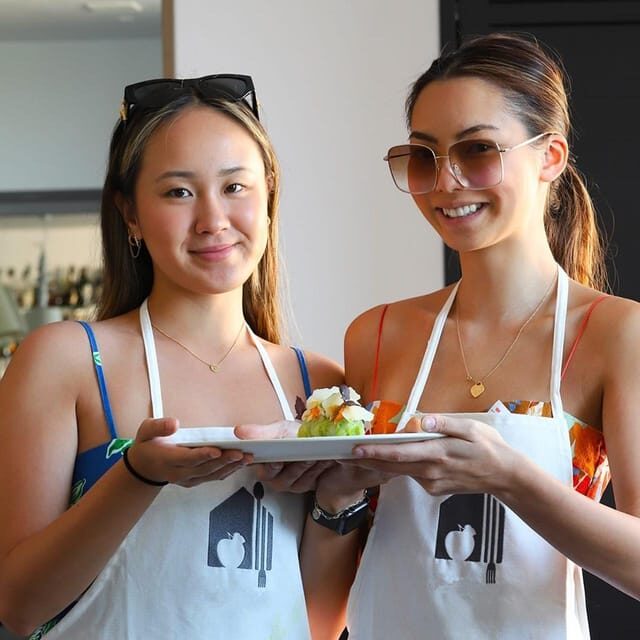
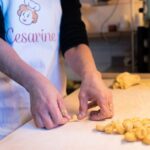
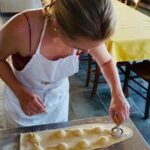
This isn’t a show-and-watch class. It’s a hands-on cooking experience in Positano where you learn a traditional multi-course menu and then sit down and eat what you cooked. The format matters: the session is built around three hours, which is long enough to actually make progress, but short enough that it won’t swallow your whole day.
You start with an appetizer and move through a first course (your pasta or risotto choice), then a main course that can be either meat or fish, and finally dessert. Between courses, the chef’s job is to keep things flowing and help you nail the techniques. The best part is that you’re not locked into one single menu; you get choices across multiple steps, so it feels personal rather than generic.
If you want a culinary activity that’s practical and fun (and not just another walking tour), this is a strong pick. You’ll come away knowing what you did and why it worked, not just what you ate.
You can also read our reviews of more cooking classes in Positano

Meeting Point, Timing, and What to Expect on Arrival
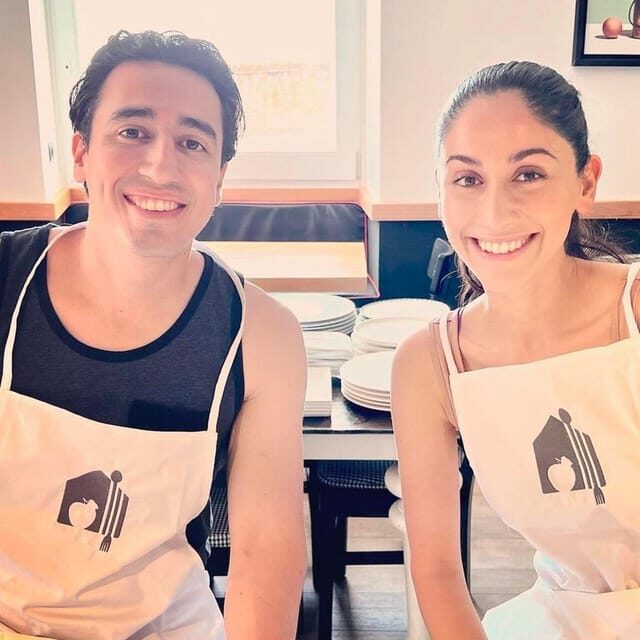
The experience starts in Positano and runs about 3 hours. You’ll be asked to arrive at least 10 minutes before the scheduled departure time. It ends back at the meeting point, so you’re not stuck figuring out a long transit plan afterward.
Because this is a small group class capped at 10 participants, you should expect a more relaxed pace than in big group cooking events. That also affects the atmosphere: it tends to feel like a shared kitchen moment rather than a production line.
One more practical note: the class is offered in English and Italian, and it’s supported by an instructor/chef team that can guide you through the process in those languages. If you’re traveling with limited Italian, that’s a comfort.
The Menu Choices: How Your Appetizer, Pasta, and Dessert Are Built
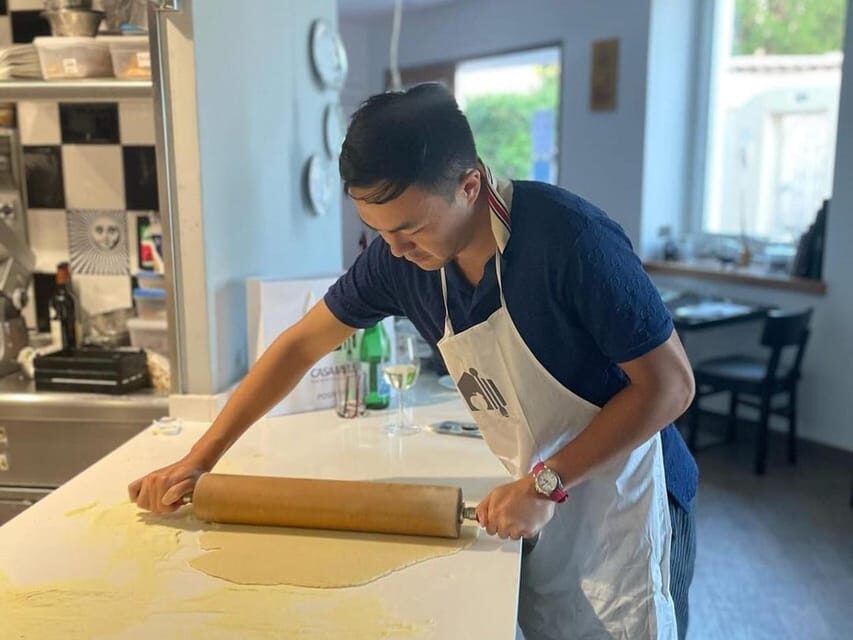
Part of the value here is choice. You get a set of options at each stage, which helps you tailor the meal to what you actually want to eat on your trip. Here’s how the menu breaks down and what each choice really means for your cooking experience.
Appetizer Options That Set the Tone
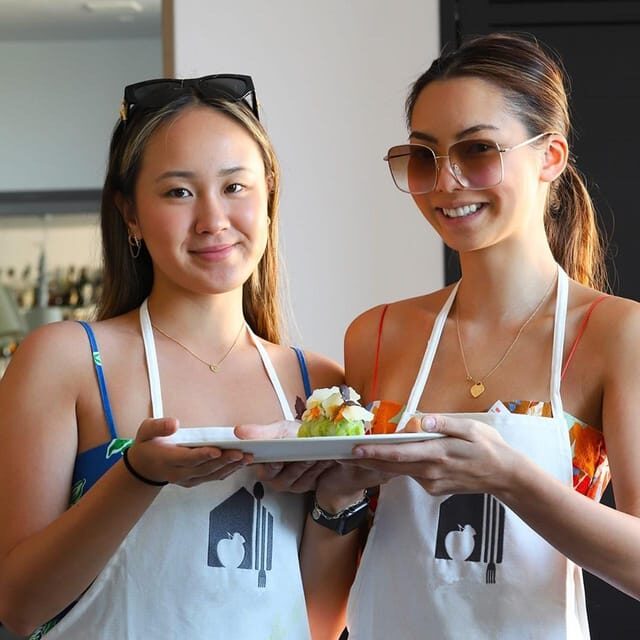
Your appetizer selection can include items like arancino (mini fried rice bites), mini fried calzones, eggplant bites, potato croquettes, or stuffed zucchini flowers.
These aren’t random add-ons. They’re the kinds of starters that teach you texture and handling—things like shaping, filling, and getting the outside crisp while keeping the inside tender. If you’ve ever wondered how those small Italian snacks get their bite, this is where you start learning.
First Course: Pick Your Pasta (or Risotto) Style
For the first course, you can choose from:
- Ravioli with tomato sauce and mozzarella
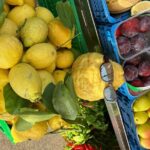
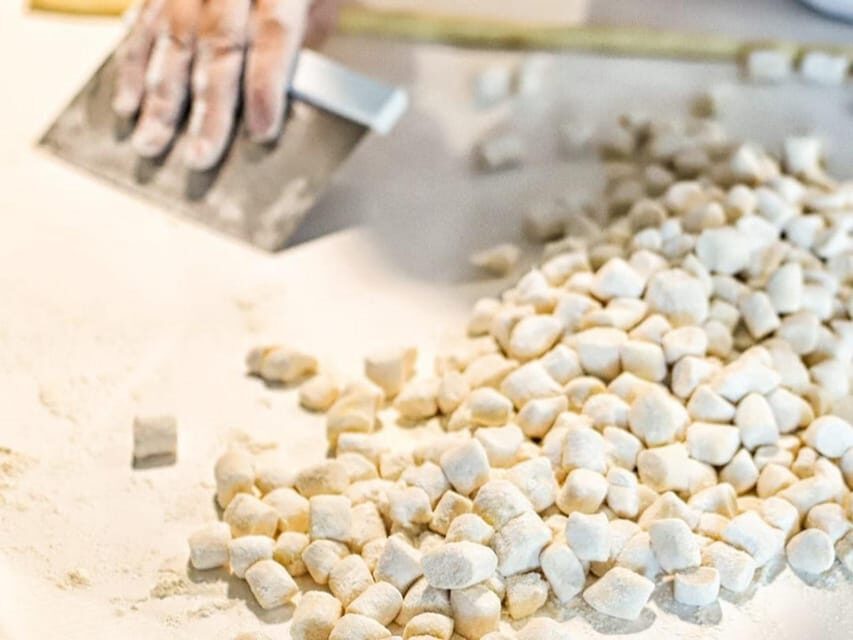
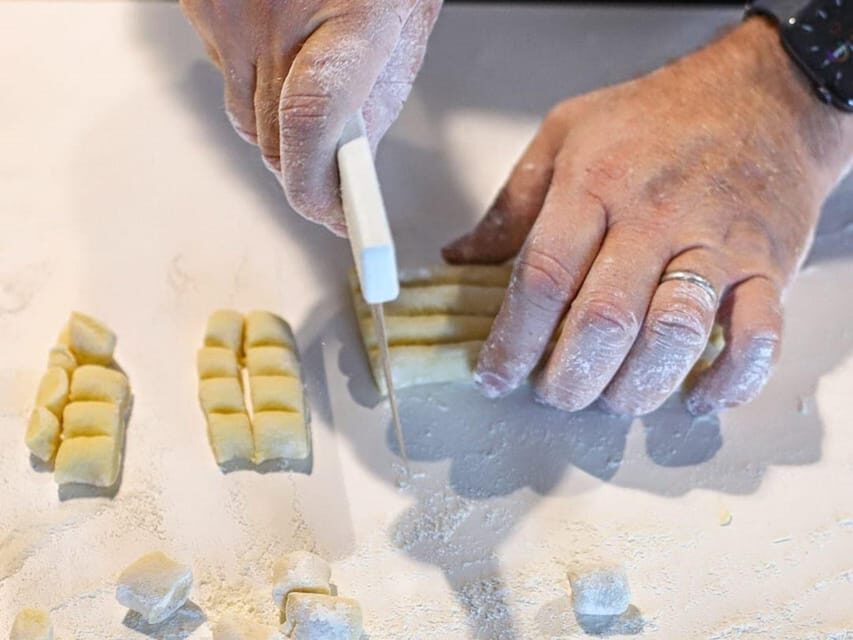
- Gnocchi with lemon sauce
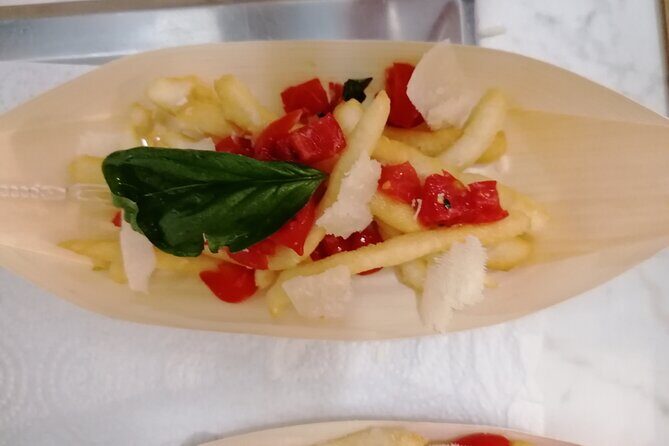
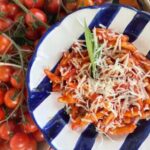
- Cavatelli with fresh cherry tomatoes
- Scialatielli with egg and mozzarella
- Risotto with pumpkin and rosemary
This part is a highlight because it gives you a direct taste of what makes coastal Campania cooking feel distinct: sauces that lean on tomato, lemon, cherry tomatoes, egg-and-cheese richness, or the warmth of pumpkin and rosemary.
Also, you’ll likely notice that each option changes the whole rhythm of the cooking. Ravioli and sauced pasta push you toward timing and sauce cohesion. Gnocchi plus lemon sauce makes you focus on balancing brightness with creaminess. Risotto is its own skill set—stirring and controlling consistency—so if you’re the type who likes process, that choice can be a lot of fun.






Second Course: Meat or Fish, Then You Eat the Finish
Your main course is selected from either a meat dish or a fish dish (the exact options can vary by what’s being prepared in your session). This is where the meal becomes more substantial and where your earlier work starts paying off: you’ve already got your palate warmed up, and now you build the final plate.
If you prefer seafood on the Amalfi Coast, you’ll be in your element here. If you want something more classic comfort-style, the meat option is usually the safe bet. Either way, you’ll cook, then sit down with the rest of the group and have it as part of the full meal flow.
Dessert Choices That Feel Like Positano’s Sweet Side
For dessert, your options include:
- Tiramisu
- Fruit tart
- A traditional Positano sweet
Dessert is where you get practical payoff. If you’ve only ever bought tiramisu in a store, making it yourself helps you understand the structure—how it firms up, what makes it airy, and how to balance sweetness. The fruit tart option also shifts you toward the kind of assembly and finishing that feels satisfying at the end of a long cooking session.
What You’ll Learn While You Cook (Beyond Just Following Steps)
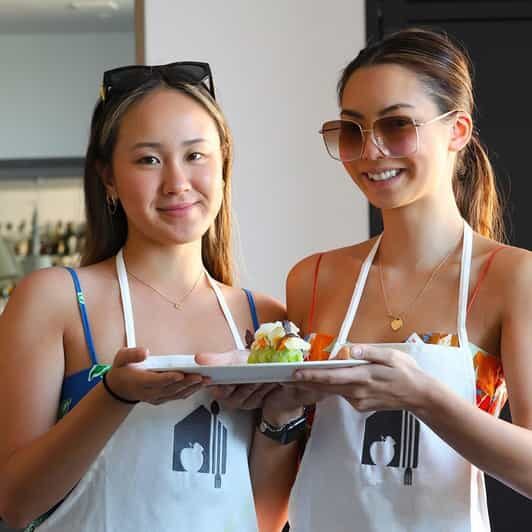
Cooking classes can sometimes be “do this, then that.” This one feels more useful because the learning points come from the menu itself. Each course trains a different skill:
- Small-shape starters (like arancino or croquettes) teach handling and texture control.
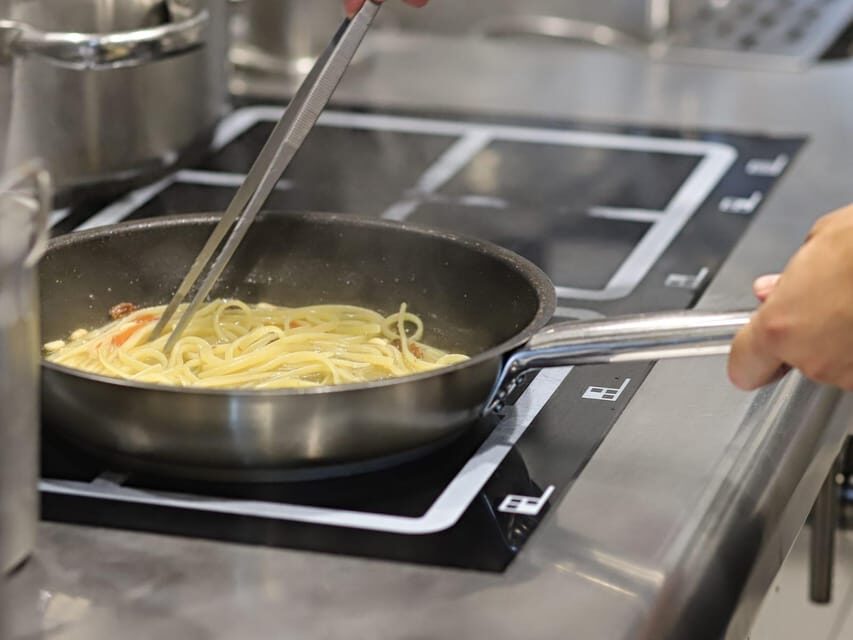
- Sauce-driven pasta teaches timing and how to coat without drowning the pasta.
- Gnocchi with lemon sauce pushes you to balance tang with richness.
- Egg and mozzarella scialatielli leans into comfort richness and ingredient integration.
- Risotto with pumpkin and rosemary gives you consistency practice.
- Dessert assembly helps you understand structure, not just flavor.
And because the group is limited to 10 people, you’re less likely to get left behind mid-recipe. This is one reason the class tends to feel better than larger format options.
Wine and Coffee: The Social Part of the Meal
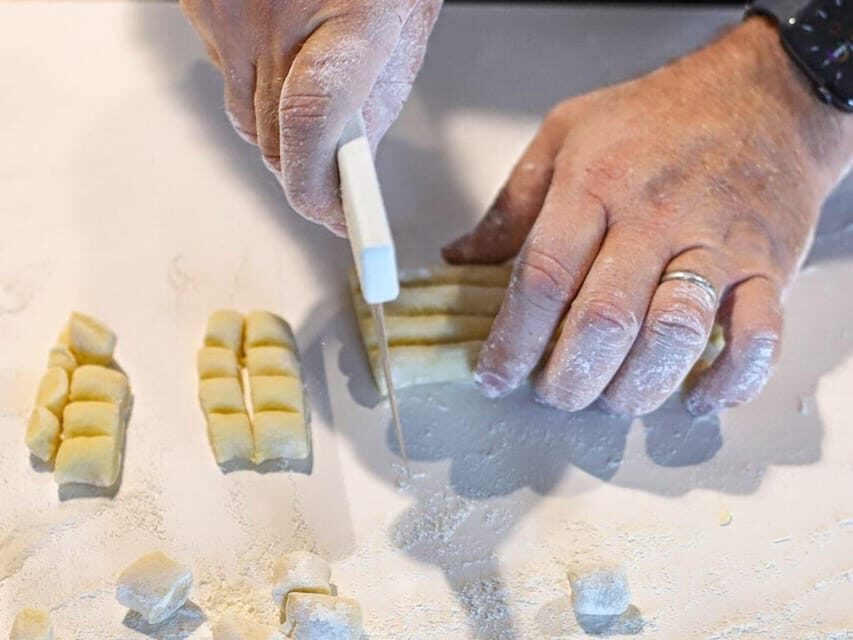
You’ll enjoy your meal with a glass of local white or red wine, or you can choose Prosecco. That detail matters because it turns your cooking work into a real sit-down meal, not a quick snack at the end.
The class also includes water and finishes with coffee or cappuccino. In other words, it’s paced like a proper dinner experience, just in a hands-on format.
One more thing I like: the beverage inclusion makes it easier for you to stay present. You don’t need to make decisions about what to order or where to find it after the class. You can focus on eating what you made—and enjoying the setting.
The Positano Setting: Why Location Changes the Taste
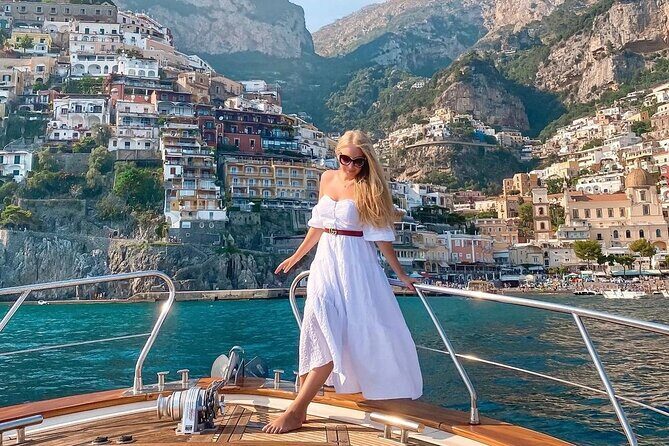
Positano isn’t just scenic. When you cook there, the whole experience has a different feeling than doing the same recipes somewhere inland. Even without overhyping it, you can expect the atmosphere to add to the experience: people slow down, kitchens feel more personal, and the meal feels like a moment rather than an activity checklist.
The class is described as happening in the heart of Positano, which also matters practically. You’re less likely to waste time shuttling around, and you can fold this experience into the middle of a normal travel day.
Dietary Options: Gluten-Free and Lactose-Free Support
If you need flexibility, this class includes gluten-free and lactose-free options. That’s not always guaranteed in cooking experiences, so it’s a real plus.
What you should do is choose the option you need during booking. Since the menu includes multiple courses and ingredient types (pasta, cheese, dessert), it helps to confirm what adjustments are available for your specific dietary needs so you can cook comfortably and eat confidently.
Price and Value: Is $234.50 a Fair Deal?
At $234.50 per person, this is not a casual add-on. But it’s priced like a chef-led, multi-course experience with several included extras.
Here’s what’s included that supports the value:
- An expert local chef
- A full multi-course menu: appetizer, first course, second course, dessert
- A glass of wine or Prosecco
- Coffee or cappuccino
- A complete recipe book of what you cooked
- A special gift
- Small group format (up to 10 participants)
When you compare it to piecemeal costs—getting a chef experience, paying for multiple courses, then paying for drinks—the math starts making sense. And the recipe book is the underrated part. It turns your meal into something you can repeat at home, which makes the class feel less like a one-time vacation purchase.
If you’re traveling with someone and enjoy cooking or tasting heavily, this price can feel like a worthwhile splurge. If your style is budget-first or you only want light tasting, you might prefer a less structured food experience.
Who This Cooking Class Is Best For (And Who Should Skip It)
This class is a great fit if you:
- Want a hands-on culinary experience in Positano
- Enjoy learning through doing, not just eating
- Like the idea of multiple menu choices across pasta and dessert
- Appreciate included drinks and a real sit-down meal flow
- Want a recipe book you can bring home and actually use
It’s probably not ideal if you:
- Are traveling with young kids (it’s not suitable for children under 12)
- Need access for strollers or baby carriages (these are not allowed)
- Prefer a fully free-form tasting menu with no cooking involved
For couples, it’s especially appealing because the group size stays small, which often means better attention and a calmer kitchen environment.
Booking and Cancellation: The Short Version That Helps You Decide
This experience offers free cancellation up to 24 hours in advance for a full refund. It also has a reserve now & pay later option, which is helpful if you’re still juggling your Positano schedule.
If you’re booking close to your travel dates, check the available start times since the class duration is 3 hours but timing depends on the schedule.
Should You Book Positano’s Small-Group Cooking Class?
I’d book it if you want a memorable, practical food experience in Positano that gives you real skills plus a meal you eat right there. The combination of chef guidance, a multi-course menu with real choice, and the included recipe book makes it feel like more than a one-off tasting.
I’d think twice if the price feels too steep for you or if your travel style is more about strolling and spontaneous eating than cooking in a structured session. And if you’re traveling with kids under 12 or need stroller access, you’ll want a different plan.
Overall, this is one of those trips you’ll remember for the details you learned, not just the photos you took.
FAQ
How long is the cooking class in Positano?
The class lasts 3 hours. Starting times depend on availability.
How many people are in the group?
It’s a small group limited to 10 participants.
What languages are used during the class?
The instructor is listed as speaking English and Italian.
What food do you cook during the class?
You’ll cook an appetizer, a first course (pasta or risotto), a second course (meat or fish), and a dessert. The exact dishes depend on the choices available during your session.
Is wine or Prosecco included?
Yes. Your meal includes a glass of local white or red wine, or Prosecco.
Are desserts included?
Yes. Dessert is included, with choices such as tiramisu, fruit tart, or a traditional Positano sweet.
Are gluten-free or lactose-free options available?
Yes. The class notes that gluten-free and lactose-free options are available.
Is the class suitable for children?
No. It is not suitable for children under 12.
Where does the activity start and end?
It starts at the listed meeting point in Positano and ends back at the same meeting point. You should arrive at least 10 minutes before the departure time.