REVIEW · POSITANO
Cesarine: Small group Pizza and Tiramisu Class in Positano
Book on Viator →Operated by Cesarine: Cooking Class · Bookable on Viator
A Positano cooking class beats a souvenir run. This small-group pizza and tiramisù lesson puts you in a local home in town, where a Cesarine teaches you family methods and then you eat what you make. I especially liked the hands-on guidance that keeps you moving from dough to topping, and the tiramisu technique that actually makes the dessert feel doable. One thing to plan for: this experience depends on good weather, since it’s run in a home setting.
You’re also getting more than a recipe transfer. With a maximum of 10 travelers and instruction in English, you’ll get time to ask questions without feeling rushed, and the vibe stays warm and family-like. The main drawback is simply logistics: you’ll meet in Positano and then head to the host home, so you’ll want comfortable shoes and a little patience with the short transition between spots.
In This Review
- Key highlights at a glance
- A Positano Home Kitchen, Not a Restaurant Classroom
- What You’ll Cook: Pizza (Neapolitan Style) and Tiramisu the Traditional Way
- Pizza skills that translate fast
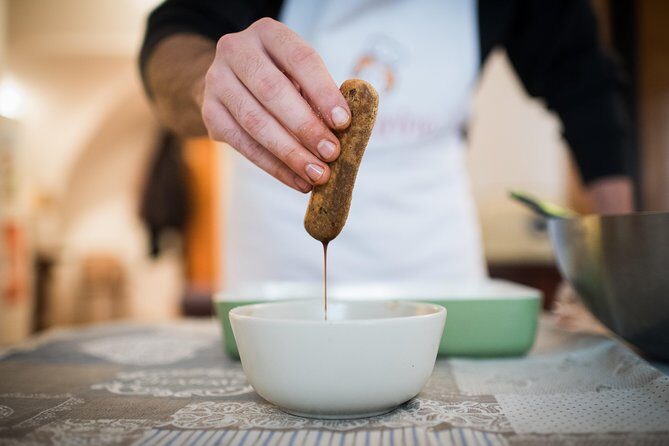
- Tiramisu technique you can actually repeat
- Inside the Lesson: How the Cesarine Teach Like Family
- You get real attention during the work
- You may hear farm-to-table details as you cook
- The Views and the First Welcome: A Small Moment That Sets the Tone
- Tasting What You Made: Pizza, Tiramisù, and Italian Wine
- Group Size, Pace, and Who It Fits Best
- Beginners welcome
- Families also work well
- Best fit for food lovers who want a local lens
- Price and Value in Positano: What You’re Paying For
- Weather and Practical Tips for a Smooth 3 Hours
- Should You Book Cesarine’s Pizza and Tiramisu Class in Positano?
- FAQ
- How long is the pizza and tiramisù class in Positano?
- What will I learn to cook?
- Is the class offered in English?
- How big is the group?
- Where does it take place?
- Do I get to eat the food I prepare?
- Is it family-friendly?
- What happens if the weather is bad?
- Do I need a printed ticket?
Key highlights at a glance
- Small group size (up to 10) keeps the class personal
- Hands-on pizza and tiramisù instruction in a local home
- You taste what you cook, served with Italian wine
- Family-friendly pace for different ages and skill levels
- English-led lesson so you don’t need culinary Italian to follow along
- Weather-dependent scheduling, with alternatives if conditions don’t cooperate
A Positano Home Kitchen, Not a Restaurant Classroom
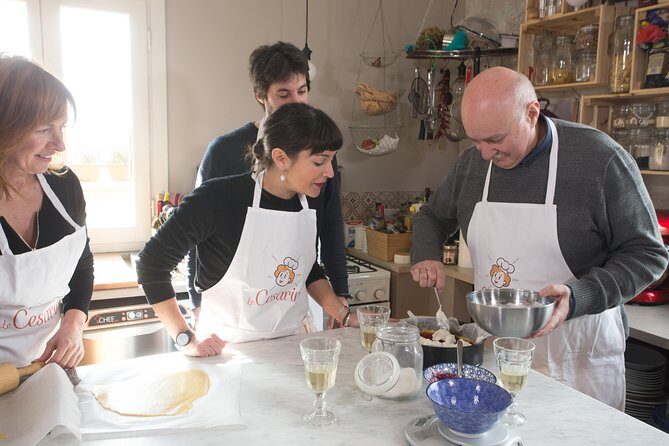
Positano is all about views, tight streets, and getting used to moving slowly. This cooking class fits that rhythm because it doesn’t feel like a scripted show. It feels like you’ve been invited into someone’s evening routine—just with flour on the table and a clear plan for what you’ll learn.
The class runs about three hours, and you’ll start and finish back at the meeting point in Positano (84017). From there, you’ll be taken to the selected local home for the lesson. The “home” part matters. In a restaurant, you watch. Here, you work with the ingredients and the technique in real time.
And you’ll notice something else: the hosts lean into warmth, not performance. One set of hosts I’ve seen referenced includes Carla and Rocco, who are described as gracious and welcoming. In another example, Roberto brings people to a countryside home above Positano, with his daughter Emily and wife Jenny greeting guests. Either way, the point is the same. You get personal attention, not just a handout and a timer.
You can also read our reviews of more tours and experiences in Positano

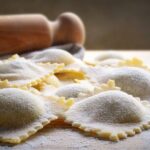
What You’ll Cook: Pizza (Neapolitan Style) and Tiramisu the Traditional Way
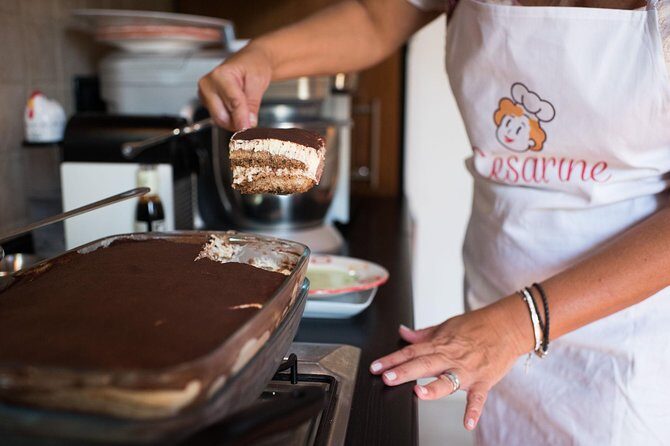
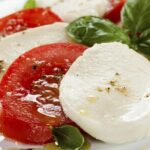
This class is built around two iconic Italian dishes: pizza and tiramisù. That sounds simple until you realize it’s the perfect pairing. Pizza teaches structure: dough, heat, timing, and building flavor with the right balance. Tiramisu teaches finesse: texture, layering, and knowing when to stop so the dessert holds its shape and tastes light.
Pizza skills that translate fast
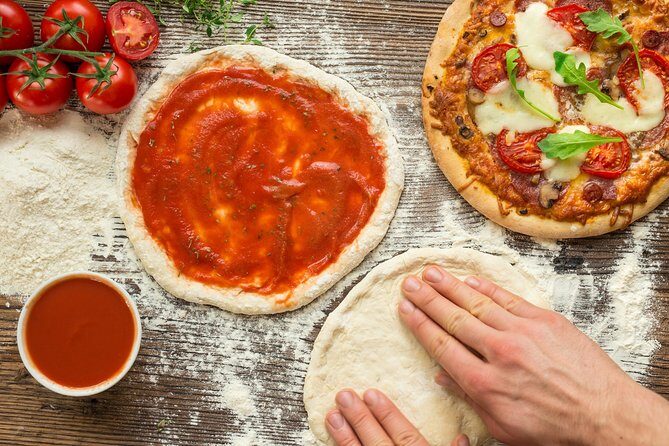
You’re not just assembling a pizza. You’re learning the basics that make Neapolitan-style pizza work: how the dough behaves, how to handle it, and what to watch for as you put toppings together. People often rave about fresh ingredients and practical tips, including grandma-style advice on getting a delicious Neapolitan pizza.
If you’re curious about variation, you might also learn about fried pizza. One host story mentions learning fried pizza for the first time, described as tasty without being overly heavy. Even if your class version is more focused on the main pizza, the takeaway is the same: you’ll leave knowing what makes the dough and toppings come together.
Tiramisu technique you can actually repeat
Tiramisu is where many cooking classes go vague, usually because it’s dessert and people assume it’s complicated. Here, the lesson is practical. You learn how to prepare the traditional tiramisù in a way that leads to a good result, not a rushed mess.
The method focuses on technique and timing, especially around assembly and getting the texture right. When you finally taste what you made, it’s the moment the whole class clicks. You won’t just remember the flavor—you’ll remember how the process felt in your hands.
Inside the Lesson: How the Cesarine Teach Like Family
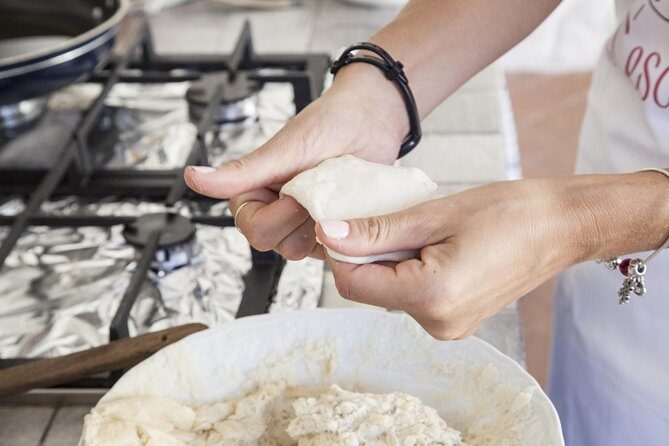
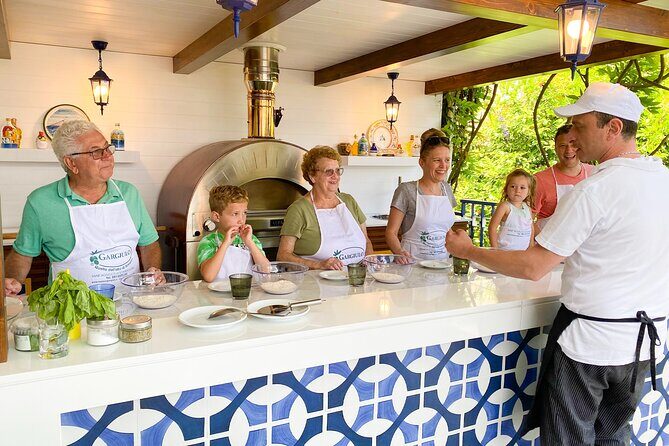
The Cesarine model is the “secret sauce” behind this experience. Cesarine are local home cooks, and the teaching style is family-to-family. That shows up in how the class flows: you get welcomed like part of the group, and you’re guided step-by-step while still being encouraged to participate.






You get real attention during the work
The group is limited to 10 travelers, which changes the feel immediately. You can ask a question without waiting for a guide to wave a ladle in your direction. And because it’s a shared class, you’ll likely see how others handle the steps too. That can be useful if you’re a beginner. You can watch, copy, then do your own version with feedback.
English instruction is offered, so you can keep your focus on the cooking rather than translating everything in your head. You’ll learn by doing: mixing, shaping, assembling, and finishing.
You may hear farm-to-table details as you cook
One strong theme in the experience is fresh, local ingredients. In one described setup, the hosts used organic ingredients produced in their farm. Another story highlights fresh vegetables, including vegetables from the hosts’ own garden. Even if your exact ingredient source differs, it’s likely you’ll get a similar emphasis: using good produce and simple, solid choices rather than complicated components.
The Views and the First Welcome: A Small Moment That Sets the Tone
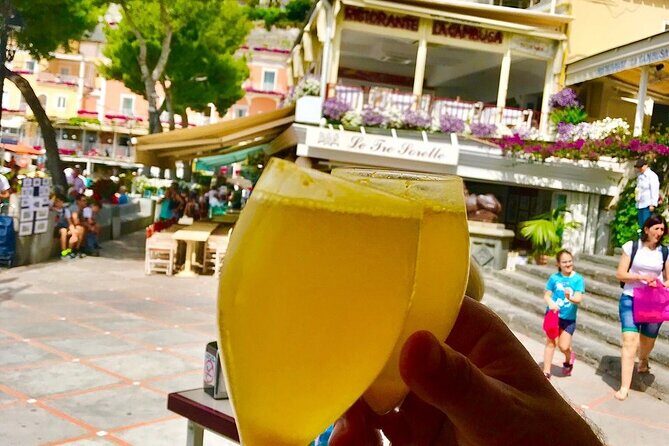
Even before the cooking starts, the setting matters. One host story describes a balcony welcome with sparkling champagne and Italian starters, with views over Positano and the Mediterranean Sea. Another mentions learning on top of a mountain in the countryside home. These details aren’t guaranteed across every class, but they match the spirit of what this experience offers: a home setting that feels tied to the geography.
And here’s the practical value. When you’re cooking with attention to timing, you don’t want to arrive flustered. A relaxed welcome helps you settle in. You get oriented, you meet the people, and then you start the lesson.
It also makes the class feel like part of your Positano visit instead of an add-on. You’re spending time in the hills and homes beyond the main tourist drag, even if only for a short window.
Tasting What You Made: Pizza, Tiramisù, and Italian Wine
At the end, you eat. This isn’t a “sample the aroma” situation. The class is structured around tasting the pizza and tiramisù you prepared, and it’s paired with Italian wine.
That pairing does two things for you:
- It turns the cooking into an experience, not just a class.
- It gives you a chance to evaluate what you made while it’s still fresh and warm.
If you’re worried about leaving hungry, don’t. You’re likely to finish full. One host story says the tasting was so satisfying that dinner afterward was canceled. Even if your appetite is different, the lesson is clearly built to feed you.
Also, since the class is centered on two dishes, you get a clean arc. Pizza first, then dessert. No awkward gap where you’re waiting for someone to bring out plates. You’re moving through the meal like a real evening.
Group Size, Pace, and Who It Fits Best
This is a shared cooking class, but it doesn’t feel like a crowd event. With a maximum of 10 travelers, you’ll probably find it works for both couples and small groups. It’s also described as family-friendly, suitable for all age and skill levels.
Beginners welcome
If you’ve never worked with dough before, you’re exactly the kind of person this helps. The point isn’t to turn you into a pizzaiolo overnight. It’s to teach enough structure that you can reproduce the basics later. Practical, step-by-step instruction matters most when you’re starting from zero.
Families also work well
Because it’s designed for all ages and skill levels, you’re not stuck trying to keep a teenager from fidgeting. The pacing is set up for participation, not performance.
Best fit for food lovers who want a local lens
If your goal in Positano is to go beyond photo spots and actually spend time with locals, this is one of the most direct ways to do it. You’ll learn technique and taste the result immediately. And you’ll get stories from the host family along the way, the kind that don’t show up in guidebooks.
Price and Value in Positano: What You’re Paying For
At $254.33 per person, this isn’t the cheapest activity in town. So it has to be judged as a value decision, not a bargain hunt.
Here’s what you’re paying for, in plain terms:
- A hands-on class with instruction in a home kitchen, not a demo
- Small group size (up to 10), which usually means more attention
- Ingredient-focused learning for both pizza and tiramisù
- A full tasting meal that includes Italian wine
- The “Cesarine” experience: you’re hosted by local home cooks, which tends to add real authenticity
When you compare it to other food tours that are mainly walking and tasting, the value shift makes sense. Here, you actively make two dishes and eat them. You also get a skill you can take home: pizza basics plus tiramisù assembly and technique.
If you’re the type who likes learning by doing, the cost starts to feel easier to justify. If you’re only looking for light snacks or a quick photo stop, then you might find this pricier than you need.
Weather and Practical Tips for a Smooth 3 Hours
This experience requires good weather. The reason is simple: it’s run in a home setting and can involve outdoor or semi-outdoor elements. If conditions aren’t right, you’ll be offered another date or a full refund.
To make the day easier:
- Bring layers. Positano can shift in temperature, and homes in the area can feel cooler than the street.
- Wear comfortable shoes. Even the short movement between meeting point and home can involve steps or uneven ground.
- Don’t plan a tight dinner right after. If you eat well, you may not want a heavy meal later.
Also, keep your expectations aligned with the format. This isn’t a long tour with lots of stops. It’s a focused cooking session. Think quality time more than sightseeing.
Should You Book Cesarine’s Pizza and Tiramisu Class in Positano?
I’d book it if you want a Positano experience that feels like being invited into a real home. The combination of hands-on pizza, practical tiramisù teaching, and a sit-down tasting with Italian wine makes it a strong choice for couples, friends, and families.
Skip it only if:
- You’re allergic to structured “lesson time” and prefer purely wandering activities.
- You’re hoping for a bargain-priced tour.
- Weather is uncertain and you don’t have flexibility in your schedule.
If you’re on the fence, the tipping point is usually this: you’ll leave with skills, not just photos. And in a place like Positano, that kind of memory lasts longer than a sunset.
FAQ
How long is the pizza and tiramisù class in Positano?
The class runs about 3 hours.
What will I learn to cook?
You’ll learn to make pizza and tiramisù.
Is the class offered in English?
Yes, the lesson is offered in English.
How big is the group?
The class has a maximum of 10 travelers.
Where does it take place?
It takes place in Positano, in a carefully selected local home. The meeting point is listed as 84017 Positano, SA, Italy, and the activity ends back at the meeting point.
Do I get to eat the food I prepare?
Yes. You’ll sample the pizza and tiramisù you cook, paired with Italian wine.
Is it family-friendly?
Yes. It’s described as suitable for all age and skill levels.
What happens if the weather is bad?
This experience requires good weather. If it’s canceled due to poor weather, you’ll be offered a different date or a full refund.
Do I need a printed ticket?
No. You’ll have a mobile ticket.
If you tell me your travel dates (and who’s going, like kids or food experts), I can help you decide whether to schedule this early or late in your Positano trip.