REVIEW · POSITANO
Cesarine: Home Cooking Class & Meal with a Local in Positano
Book on Viator →Bookable on Viator
Positano tastes better when you cook it. I like the private home setting and the chance to learn directly from locals like Rocco and Carla, not a big staged kitchen. It turns a famous-food destination into something personal and practical.
You’ll spend about 3 hours making seasonal starters, fresh pasta from scratch, and a southern Italian dessert, then you sit down for a family-style tasting with wine and coffee. One thing to consider: the experience depends on the home and setup, and one past group reported it was extremely hot and felt more like oversight than hands-on teaching.
In This Review
- Key things that make this class worth your time
- Cooking in a Positano Home with a Local, Not a Restaurant Setup
- Meet Rocco and Carla: The Personal Teaching Style Behind the Meal
- What You’ll Cook: Starters, Fresh Pasta, and Southern Dessert
- Seasonal starters that connect you to what’s in season
- Fresh pasta from scratch: the skill everyone wants
- A classic southern Italian dessert to finish on a sweet note
- The Family-Style Tasting with Wine and Coffee Is the Point
- Private Feel, Small Group Limits, and What That Means for Attention
- Price and Value at About $207 per Person
- Where It Starts (and Why the Location Matters)
- Timing Your Day Around a 3-Hour Cooking Class
- Who This Class Suits Best (and Who Should Rethink It)
- Should You Book Cesarine in Positano?
- FAQ
- How long is the Cesarine cooking class in Positano?
- What will I cook during the lesson?
- Does the price include food and drinks?
- Is it a private class?
- Where does it start and end?
- What’s the cancellation policy?
Key things that make this class worth your time
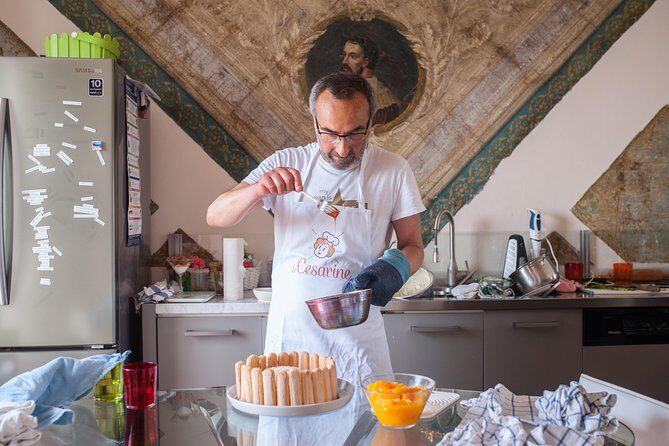
- Local hosts (Rocco and Carla) bring a real family vibe, with warmth and clear teaching
- Three hands-on courses: seasonal starters, fresh pasta, and classic southern Italian dessert
- You eat what you make, family-style, with wine and coffee
- Small group limit of up to 10 keeps it more conversational than crowd-driven
- You learn Positano-style traditions, including historic family recipes
- It’s timed for a short visit (about 3 hours) without eating your whole day
Cooking in a Positano Home with a Local, Not a Restaurant Setup
Positano is all charm on the outside, but this is the kind of experience that gives you the inside story. Instead of watching someone else cook in a restaurant kitchen, you work at a real home table and learn how dishes get made there.
I like that the format is practical: you make starters, fresh pasta, and a dessert, then you eat it together. That means your time isn’t only about the final meal. It’s also about picking up the approach behind it.
At the end, you return to the same meeting point in Positano. That keeps the logistics simple for a day already packed with sea views, steep streets, and too many gelato stops.
You can also read our reviews of more cooking classes in Positano

Meet Rocco and Carla: The Personal Teaching Style Behind the Meal
The strongest praise here is about the hosts. Rocco and Carla come across as warm, gracious, and genuinely invested in teaching. In other words, it’s not just a performance; it feels like you’re invited into their routine.
That matters more than you might think. Cooking classes can go two ways: you either get support and real feedback, or you get left to follow the steps on your own. The high ratings point to the first option—friendly instruction and a comfortable pace.
Still, there’s a balanced note you should take seriously: one past experience felt less hands-on than expected and mentioned the home needed air conditioning. If you tend to learn best through active coaching, it’s smart to go into this with that in mind and ask questions early once you’re with your hosts.
What You’ll Cook: Starters, Fresh Pasta, and Southern Dessert
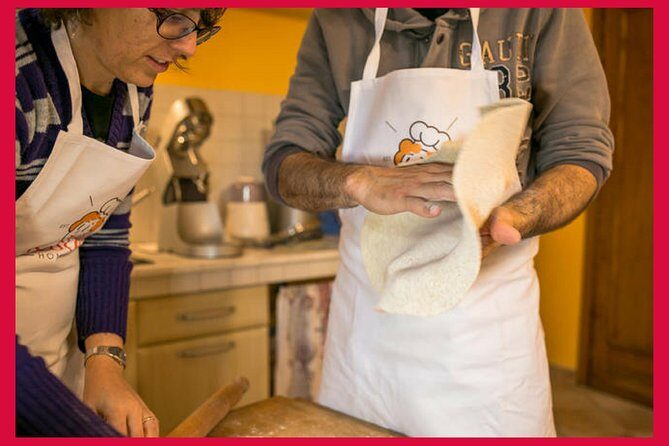
This is a three-part cooking session, and the structure is exactly what I look for when I want value in a class. You’re not only tasting; you’re building the meal step by step.
Seasonal starters that connect you to what’s in season
You’ll start with seasonal starters made with ingredients that match the local rhythm. The point isn’t fancy presentation. It’s learning what home cooks focus on—flavor first, then balance.
A good starter class is also useful after the trip. Even if you don’t recreate the exact same ingredients later, you’ll take home a way of thinking about combinations and how starters fit into a full meal.
Fresh pasta from scratch: the skill everyone wants
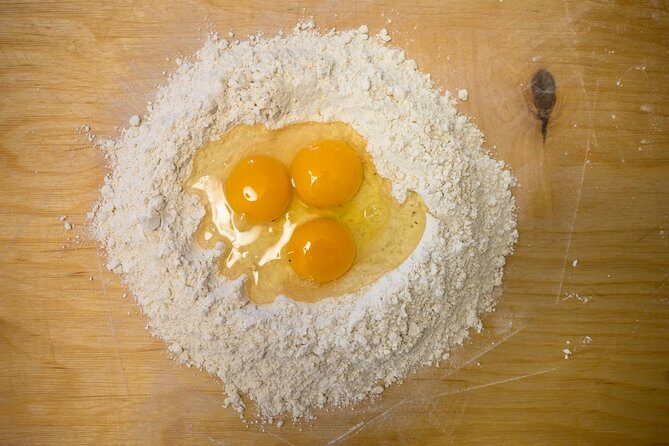
Then comes the main event: fresh pasta. You’ll learn the tricks of making it from scratch while working under the watchful eye of your instructor/host.
Fresh pasta lessons are popular because they’re both rewarding and doable in your own kitchen later. The learning curve can be real, but the payoff is huge: once you understand the basic technique, you can apply it across different shapes and sauces.
You can also read our reviews of more tours and experiences in Positano



A classic southern Italian dessert to finish on a sweet note
Finally, you’ll make a classic southern Italian dessert. This is where the class shifts from hands-on savory work to something lighter and celebratory.
Dessert lessons are underrated. If the meal ends without a real hands-on component, you leave thinking you only learned one thing. Here, the dessert rounds out the experience and gives you a full-course understanding of the meal style.
The Family-Style Tasting with Wine and Coffee Is the Point
Cooking is the way you get the story. Eating is how you get the memory.
Once your three courses are ready, you sample what you made as a shared table meal. You’ll have wine and coffee with the tasting, which is a classic southern Italian rhythm: eat well, talk more than you expected, and slow down.
This is also where you’ll understand what “local” really means. It’s not just the recipe names. It’s the way the dishes work together—starter to pasta to dessert—plus how a family-style meal changes your pace. You’re not rushing through plates. You’re part of the flow.
Private Feel, Small Group Limits, and What That Means for Attention
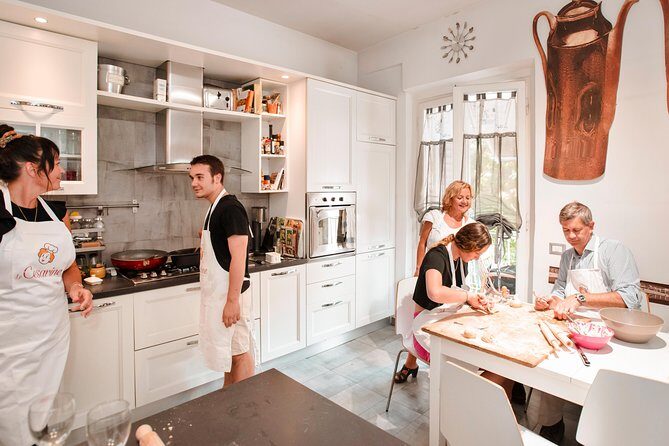
The experience is described as private and hosted in a local home, with a maximum of 10 travelers. That combination usually lands in a sweet spot: small enough for interaction, big enough that you’re not sitting in silence.
Here’s how to think about it as a practical traveler. If the group is closer to the max, the host may guide more broadly. If your group is smaller, you’re more likely to get hands-on correction and real-time answers.
Because one past booking reported the class felt more like oversight, I suggest you plan to be proactive. Ask early where you should focus, and don’t be shy about saying you want more guidance for steps that feel uncertain. In a cooking lesson, clarity beats confidence every time.
Price and Value at About $207 per Person
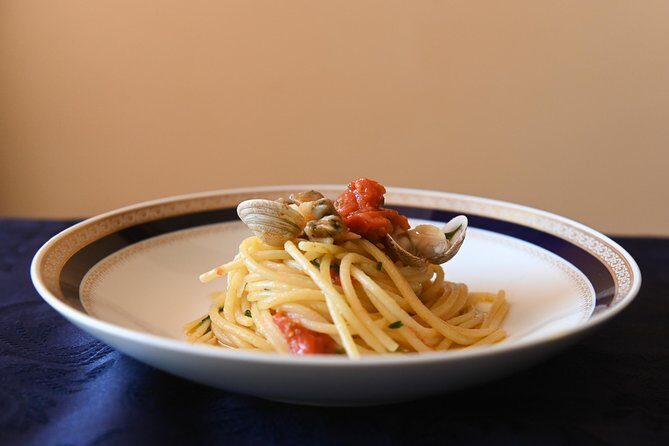
At $207.07 per person, this isn’t a casual add-on. But for Positano, the pricing makes sense when you look at what’s included and what you’re getting access to.
You’re paying for:
- A local home cook setup (not a restaurant demo)
- Hands-on instruction for multiple courses
- Three dishes plus wine and coffee
- A small group limit (max 10)
You’re also getting a type of experience that’s hard to replicate on your own. Anyone can buy pasta at a shop. Fewer people learn how to make fresh pasta in a real local setting and then eat it the same day.
When I’m evaluating value, I ask one question: would I pay this just to eat, or am I buying the lesson? Here, the course is the product. The tasting is the payoff.
One more pricing-related detail: it’s booked on average 19 days in advance, so if you want a specific day, start looking sooner rather than later. Popular food experiences in Positano fill up quickly.
Where It Starts (and Why the Location Matters)
The meeting point is in Positano, and the activity ends back there. The tour is also noted as near public transportation, which is a lifesaver in a town where walking can mean hills, stairs, and a lot of effort for short distances.
This matters because you’ll want to arrive with your energy intact. If you’re coming from a beach morning, give yourself enough time to get back up comfortably. Cooking lessons plus steep streets can add up fast.
And yes, because this is a home setting, comfort matters. One past group reported heat issues and missing air conditioning. If you’re visiting in hotter months, consider wearing breathable clothes and planning for a warm environment.
Timing Your Day Around a 3-Hour Cooking Class
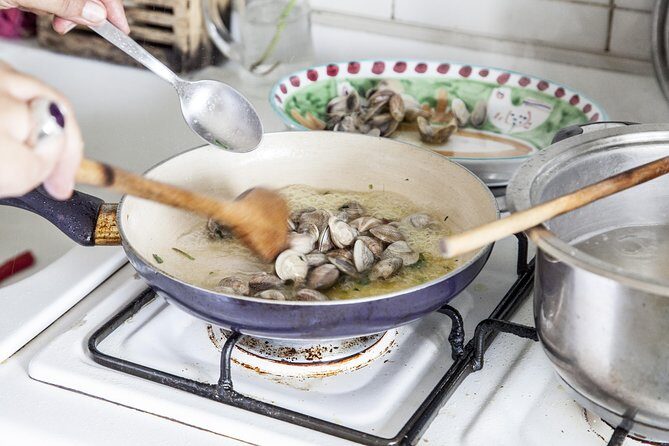
You’re looking at about 3 hours total. That’s long enough to learn, cook, and eat—without trapping you for the whole afternoon.
Here’s how I’d plan it in real-life terms:
- Book it when you have the energy to cook and stand a bit.
- Avoid pairing it with an exhausting hike or a long transfer right beforehand.
- After the meal, give yourself some space to enjoy Positano rather than sprinting to your next reservation.
Also remember: you’ll be eating wine and coffee. That can mean a relaxed post-class mood. It’s the kind of experience that makes you want to sit, talk, and slow down for a bit.
Who This Class Suits Best (and Who Should Rethink It)
This class fits best if you want more than a food show. You’ll like it if you’re the type who enjoys learning by doing—especially if you care about fresh pasta and want to understand the home-cooking side of Positano.
It’s also a great match for couples and small groups who want a quieter, more personal activity than the bigger city tours.
I’d rethink it if:
- You strongly prefer lots of step-by-step instruction and worried about feeling left alone during cooking
- Heat is a big issue for you and you’re sensitive to a warm indoor environment
- You want a purely structured, classroom-style lesson with minimal time at a home table
The overall feedback emphasizes warmth, real teaching, and memorable family conversation—so most people will love it. Just keep the heat and teaching-style note in your back pocket and you’ll make a smarter bet.
Should You Book Cesarine in Positano?
If your travel style includes cooking hands-on meals and you want a real connection to local food culture, I’d say yes. The mix of starters, fresh pasta, and dessert, plus a shared meal with wine and coffee, is the kind of package that turns into a standout day.
I’d book it with one practical mindset: you’re going to a local home, so comfort and teaching style can vary by setup. If you’re booking for a hot-weather trip or you need very hands-on coaching, send a quick message or plan to ask your hosts what to expect once you arrive.
For the right traveler, this is exactly the kind of small experience that makes a place feel personal.
FAQ
How long is the Cesarine cooking class in Positano?
The class lasts about 3 hours.
What will I cook during the lesson?
You’ll learn to make seasonal starters, fresh pasta from scratch, and a classic southern Italian dessert, then you’ll taste what you cooked.
Does the price include food and drinks?
Yes. The experience includes tasting the three dishes with wine and coffee.
Is it a private class?
It’s hosted by a local home cook and described as private, with a maximum group size of 10 travelers.
Where does it start and end?
It starts in Positano and ends back at the same meeting point.
What’s the cancellation policy?
You can cancel for a full refund up to 24 hours before the experience’s start time. Free cancellation is available, and cut-off times are based on local time.